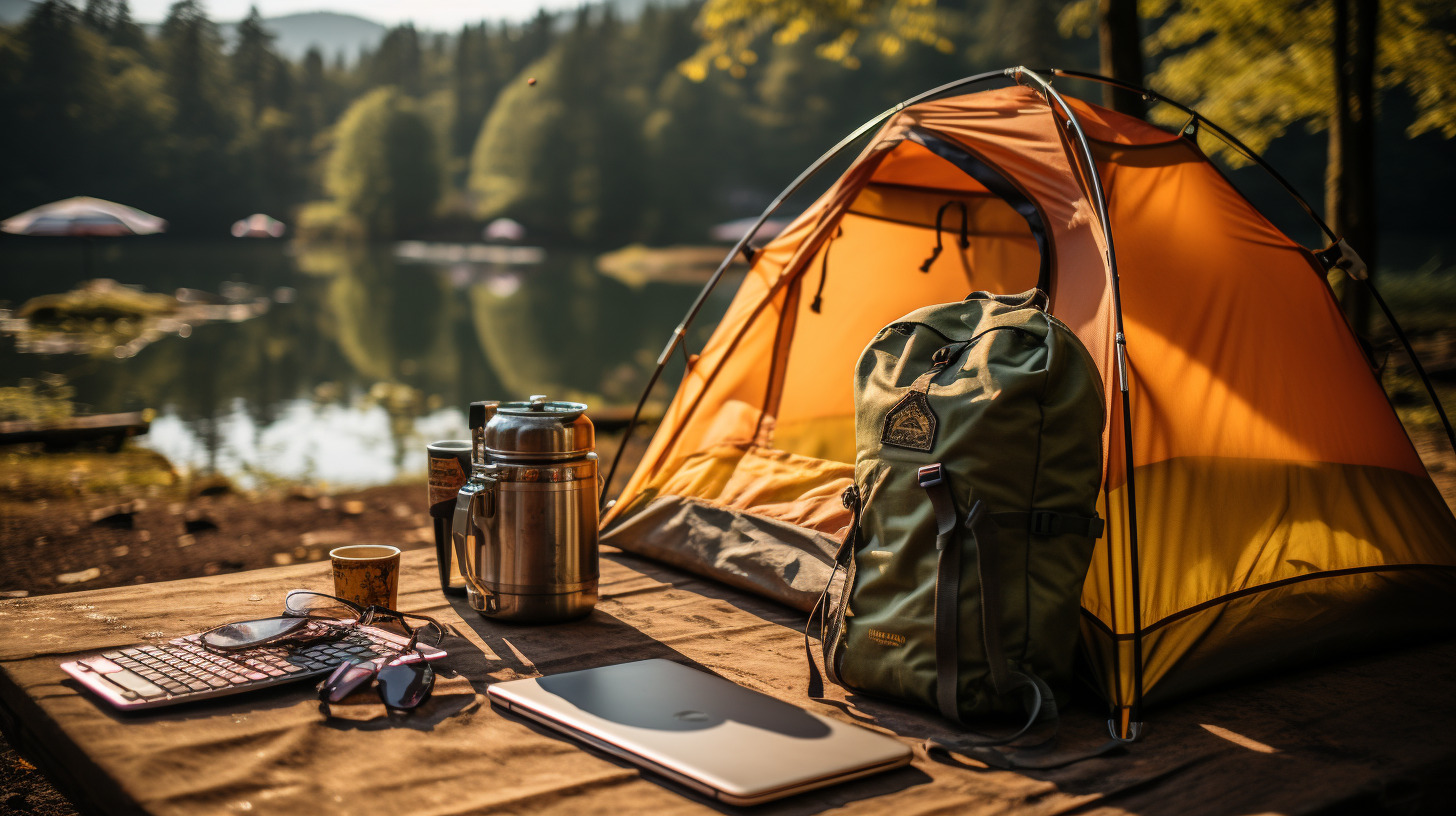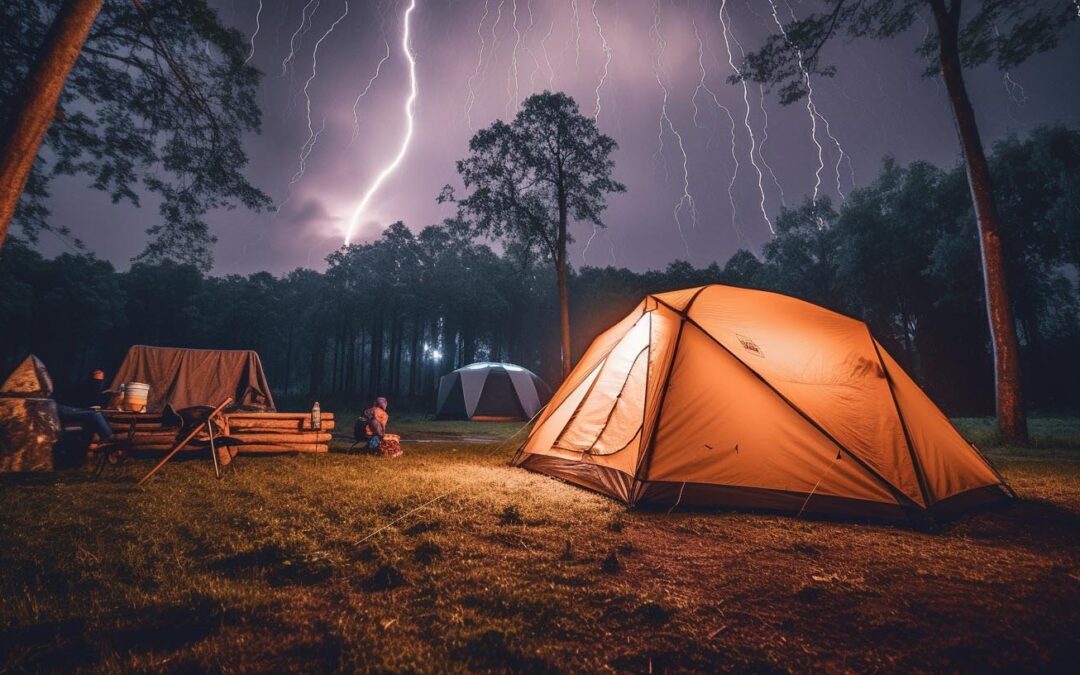
From Novice to Pro: Expert Tips for Picking the Perfect Campsite

From Novice to Pro: Expert Tips for Picking the Perfect Campsite

Find Your Perfect Campsite

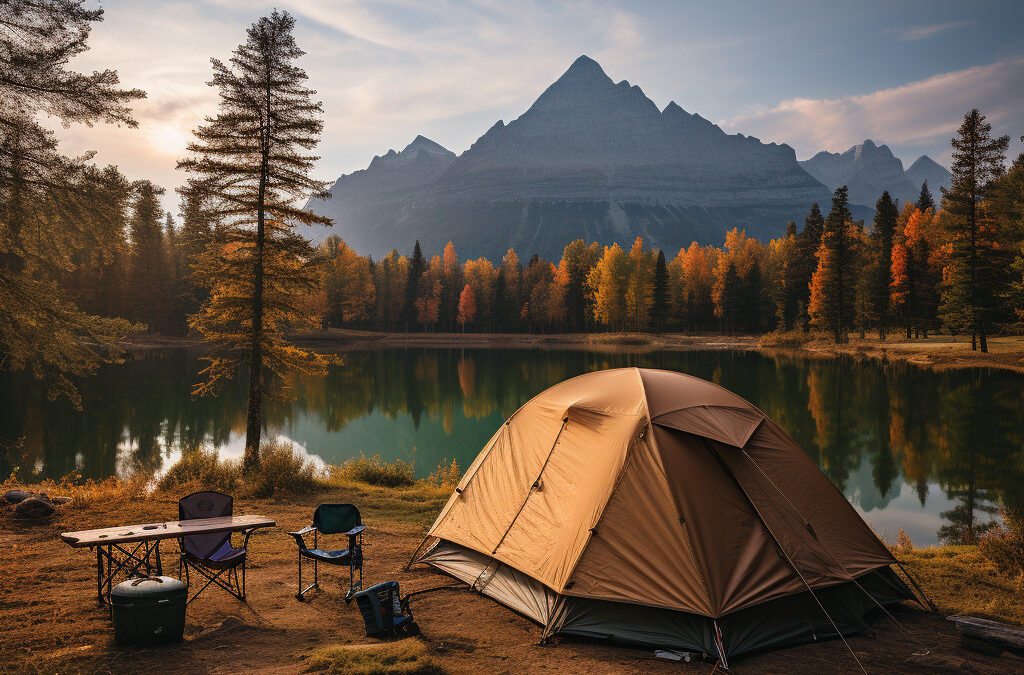
Camping can be one of the best ways to escape the hustle and bustle of daily life, and enjoy some peace and quiet in nature. But, choosing the right campsite can make or break your camping experience.

The last thing you want is to end up in a noisy, rocky site that doesn’t suit your needs. There are many factors that go into selecting the perfect campsite for your trip.

You’ll want to consider location, terrain, amenities, wildlife awareness, weather conditions and personal preferences. By taking the time to carefully evaluate each of these elements before setting up camp, you can ensure a comfortable and enjoyable stay in the great outdoors.

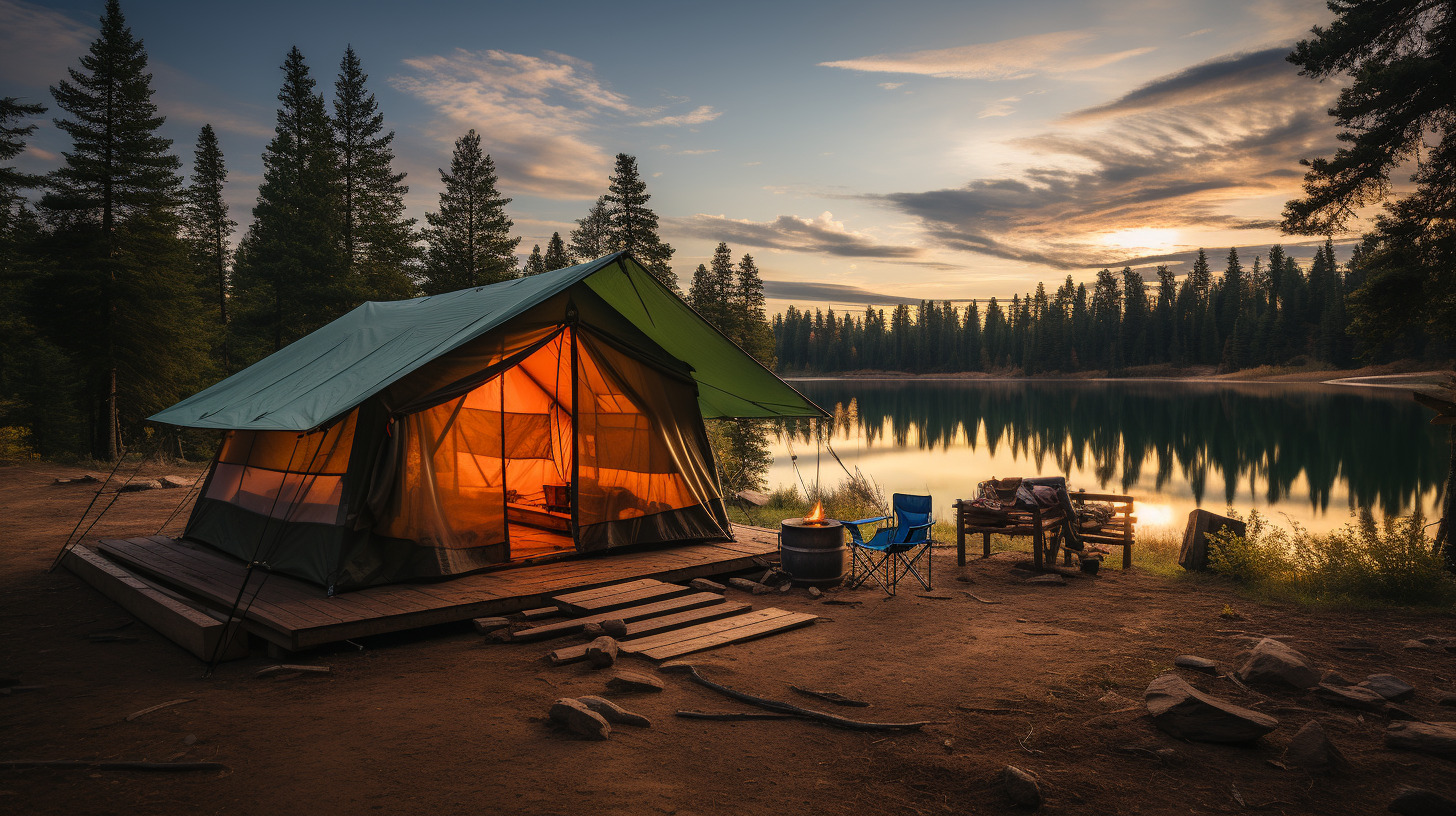
the perfect campsite

The Importance Of Choosing The Right Campsite

Choosing a good campsite is critical for a successful camping trip! Your campsite will be like a home away from home during your stay in nature. And just like with any real estate decision, location matters!

Will you be close enough to water sources or trails? What about proximity to other campsites?

Is there good tree cover or shelter from wind? All these questions are important considerations when choosing your spot.

Your experience will also depend heavily on what facilities are available at your chosen campsite; For example – restrooms and showers may be critical if you’re planning on being out for extended periods of time without access to modern hygiene facilities! And if you’re traveling with an RV or plan on using electrical appliances during your stay – it’s important to check whether electrical hookups are available at the site you’re considering.

An Overview Of What To Consider When Selecting A Campsite

Selecting a great site takes time – start by researching potential sites online where possible before arriving so that you have an idea of what’s available and what you need to bring. Make sure to do your research on the different options available, and consider your own needs, preferences and priorities before making a decision.

When looking at campsites, it’s important to evaluate factors such as weather & terrain that will affect your camping experience. For example, flat ground is critical when it comes to setting up tents or sleeping arrangements; And while scenic views may be nice – privacy may be more important if you’re traveling with family or friends.

We’ll dive deeper into all these factors in the next few sections of this article – so get ready for some great tips on how to find your the perfect campsite! Remember – taking care with site selection can make all the difference between a successful camping trip versus a terrible one!

YETI Roadie 24 Coolerhttps://amzn.to/3PV9n4N
Arctic Zone Titan Deep Freeze Coolerhttps://amzn.to/44sLHcf
Igloo Heavy-Duty 25 Qt BMX Ice Chest Coolerhttps://amzn.to/3OgflMl
Igloo BMX 52 Quart Cooler with Cool Riser Technologyhttps://amzn.to/3XVwPR7
SPARTER Backpack Cooler Insulated Leak Proof 33/49 Canshttps://amzn.to/44QInrn


Location, Location, Location

Proximity to Water Sources and Trails: The Lifeline of Your Campsite

When choosing a campsite, one of the most important factors to consider is proximity to water sources and trails. Access to water is essential for cooking, drinking, cleaning up after meals or activities and staying hydrated in general. A nearby stream or lake can provide a peaceful setting and great views.

It also means less work carrying water back and forth from long distances. Trails are the gateway to adventure when camping.

They offer opportunities for hiking, mountain biking, fishing or just exploring the surrounding nature. Choosing a campsite near trails you want to explore will save time and ensure that you get the most out of your camping trip.

Distance from Other Campsites and Noise Level: Respect Your Neighbors

The distance between campsites will determine how much privacy you have during your stay as well as how much noise you may experience from neighboring campsites. If privacy is important for your group then choose a site that has enough distance between it and other campsites. This will give you some alone time but also help with noise control.

Campgrounds can be noisy places with people talking loudly, playing music or generators running at all times of day or night. Consider how noise travels through the campground before selecting your site by choosing areas farther away from these sources if they annoy you.

Exposure to Sun, Wind, and Shade: Find Your Comfort Zone

Exposure to sun, wind and shade is another factor when selecting the perfect campsite. Sunlight provides warmth but can also make it too hot during daytime hours without shade protection in some climates where temperatures rise rapidly throughout the day.

Wind can create an uncomfortable living situation if not protected by natural barriers like trees or rocks nearby which block against strong gusts of wind. Conversely, a campsite that is too sheltered may be humid and stuffy.

Shade can be a life saver during hot summer months by creating comfortable living conditions, but it is important to make sure you are not camping under dangerous dead trees or other hazards. When looking at potential campsites, consider the time of day and how much sunlight will be available over the course of your visit.

Terrain Matters

Flat ground for sleeping arrangements

Choosing a campsite with flat ground is crucial for a good night’s sleep. Sleeping on uneven ground will cause discomfort and can even lead to injuries.

Make sure to scout the campsite before setting up your tent and look for any bumps, rocks, or roots that can cause unevenness. If you cannot find a completely flat spot, level it out by moving rocks or digging small holes to fill in bigger bumps.

Avoiding areas prone to flooding or rock slides

When choosing a campsite, it’s important to avoid any areas that are prone to flooding or rock slides. These natural disasters can be life-threatening and can ruin your camping trip. Look for signs of erosion on hillsides and avoid setting up camp near dry riverbeds or low lying areas that may flood during heavy rainfalls.

Consideration for accessibility needs

If you have accessibility needs, choosing the right terrain is crucial. Look for campsites with level access trails and accessible amenities such as restrooms and showers.

Consider the distance from your vehicle to the campsite as well as the width of trails leading into the site if you are using mobility aids such as wheelchairs.

Camping with kids? Choose soft grass! If you’re camping with kids, choosing soft grassy terrain is ideal since they’ll be running around all day! 

Opting for campsites with large open fields nearby may be perfect so kids and adults can run freely without worrying about tripping over tree roots or rocks while playing games like frisbee or volleyball. 

When it comes to terrain matters at campsites, finding flat ground is essential for good sleep while avoiding potential hazards like flooding is vital for safety purposes. 

If you have accessibility needs when camping, choose a site with level trails and accessible amenities. If you’re camping with kids, finding soft grassy terrain and open fields is a great way to create a safe environment for them to run freely.
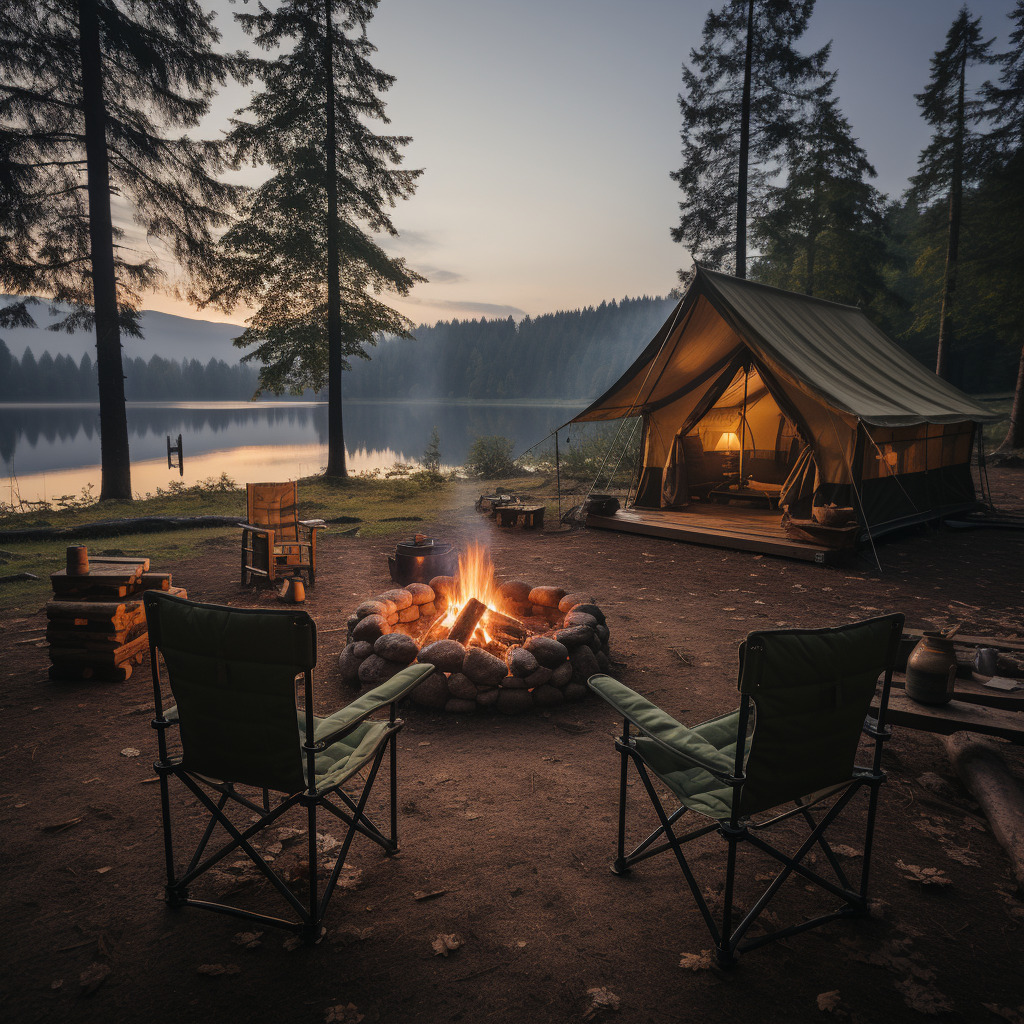
Recommended Camping Gear

ItemLink
Tent footprint or tarpLink
Family tentLink
Tent stakesLink
Sleeping bagsLink
Camping chairsLink
LanternsLink
Portable stoveLink
CoolerLink
First aid kitLink
Amenities and Facilities

Amenities and Facilities

Availability of Restrooms and Showers

When selecting the perfect campsite, it’s important to take into consideration the availability of restroom and shower facilities.

Some campsites offer full-service restrooms with showers, while others may only have port-a-potties or no restrooms at all. If you’re planning on being at the campsite for an extended period of time or have a larger group, having access to clean restrooms can make the experience much more enjoyable.

If you’re camping in a remote area with limited facilities, consider bringing along your own portable toilet or shower equipment. These items can be purchased at most outdoor retailers and provide convenience and privacy for your camping experience.

Access to Fire Pits or Grills

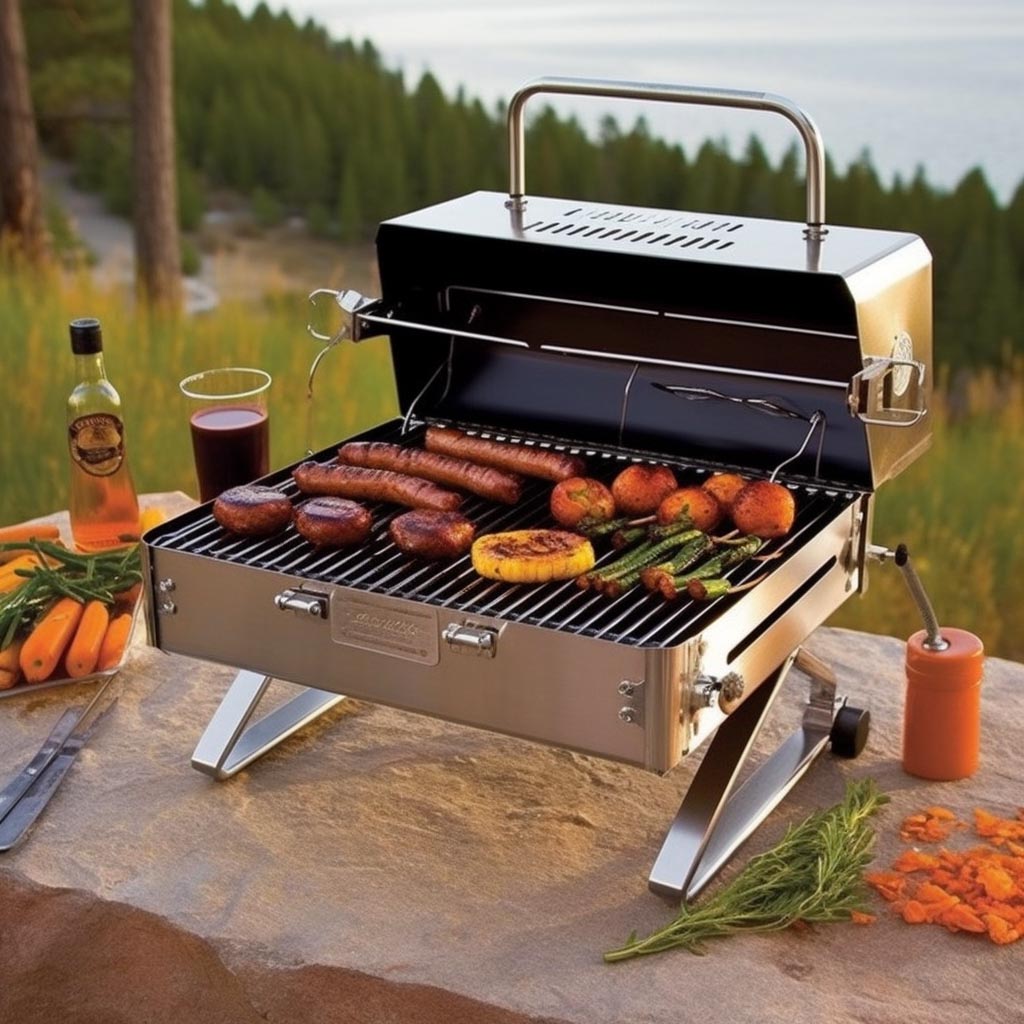
Cooking over an open fire is one of the joys of camping. When selecting a campsite, look for sites that offer access to fire pits or grills if cooking outdoors is important to you. Some campsites allow campfires anywhere on site, while others may only allow fires within designated areas due to safety concerns.

Even if fire pits aren’t available at your chosen campsite, many portable grills are available that can be used in their place. Make sure to research any local regulations regarding open fires before arriving so you know what equipment you’ll need.

Electrical Hookups for RVs

If you plan on camping in an RV or other vehicle equipped with electrical outlets or appliances, look for campsites that offer electrical hookups.

Electrical hookups allow RV owners to use air conditioning units, charge phones and laptops, and power other electronic devices during their stay.

Not all campsites offer electrical hookups so it’s important to check beforehand if this is a feature that you require during your trip. 


Do Dogs attract bears?

Wildlife Awareness

Avoiding areas with frequent animal sightings or aggressive wildlife

When it comes to choosing your perfect campsite, safety should always be a priority. While it may seem exciting to camp in an area where you might see some wildlife, it is crucial to research and avoid campsites that have a high frequency of animal sightings, especially if they involve aggressive animals.

The last thing you want is to accidentally stumble upon a bear’s den or come face-to-face with a hungry coyote. To minimize the risk of encountering dangerous animals, make sure to check the park’s website or talk to rangers before selecting a campground.

They will usually have up-to-date information on recent animal activity in the area and offer advice about which campsites are safer than others.

Remember that animals like bears have an excellent sense of smell, so always store food and other scented items properly.

Proper food storage techniques

Speaking of storing food properly, this is one of the most important things you can do when camping in areas where wildlife may be present.

Food attracts animals, so keeping your meals secure will help prevent unwanted visitors from wandering into your campsite. To store food safely while camping in bear country, invest in bear-resistant canisters that are designed to keep your food out of reach from curious bears and other wildlife.

Some parks may require bear-resistant containers for all campers staying overnight; others may provide them for rent. If you’re not camping in bear country but still want to keep wildlife at bay, use odor-proof bags or containers for storing food and dispose of any scraps properly away from your campsite.

Keep garbage sealed tightly as well because even small animals like raccoons can wreak havoc on an unsecured trash bag.

While encountering some friendly forest creatures might add excitement to your camping trip, we recommend avoiding areas with frequent animal sightings or aggressive wildlife.

Keep your food stored properly and dispose of scraps away from your campsite to reduce the risk of attracting animals to your area.

Safety should always be a top priority when camping, so make sure you are aware of the wildlife that inhabits your chosen campground before setting up camp.
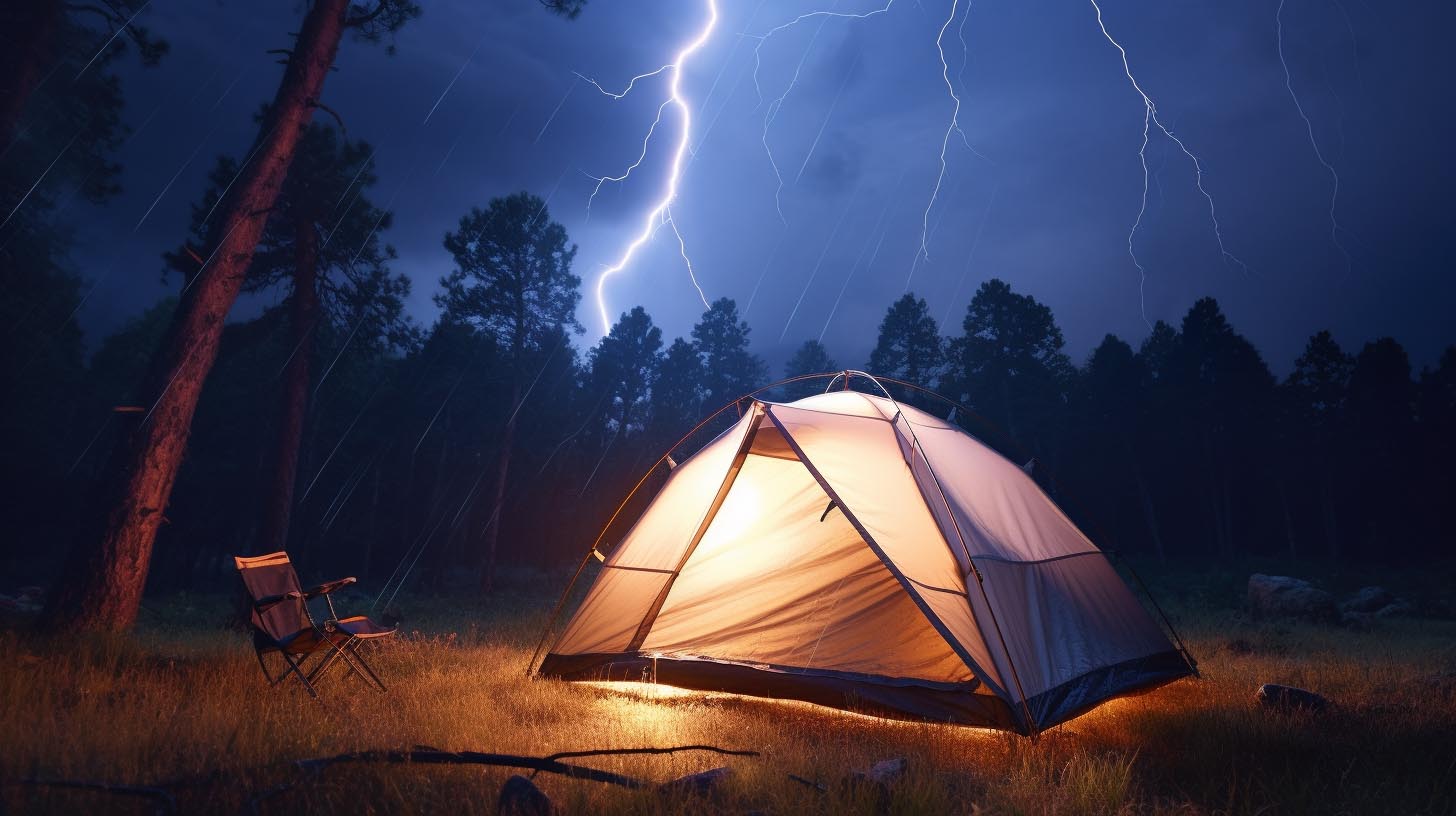
Best backpacking tents on a budget

Weather Conditions

Preparation for potential storms or extreme temperatures

When it comes to camping, you always have to be ready for the unexpected. Weather is one of those things that can easily ruin a good camping trip if you’re not prepared.

Before heading out on your trip, make sure to check the weather forecast for your camping location and surrounding areas. This will give you an idea of what kind of climate and temperature changes you can expect during your stay.

One way to prepare for potential storms is by bringing a good quality tent that can withstand heavy rain and strong winds. Make sure all parts are assembled correctly before heading out on your trip, so you don’t get caught in the middle of a storm with a broken shelter.

If you’re camping during the summer months, make sure to bring lightweight clothing that can breathe well and protect you from the sun.

If you’re going winter camping, bring warm clothing like insulated jackets and thermal pants that will keep you comfortable while sleeping.

Choosing the perfect campsite that offers protection from harsh weather conditions

Choosing the right campsite location can make a huge difference when it comes to staying dry during rainy weather or cool during hot days. When selecting your spot, look for natural shelter options like trees or hillsides that will help block wind and provide shade from direct sunlight. If natural shelter options aren’t available at your chosen campsite location, consider setting up tarps or shelters using poles and ropes to create additional protective barriers around your tent area.

These structures not only provide shade but also help break up strong winds that could otherwise damage tents or make sleeping uncomfortable. Another thing to consider when choosing the perfect campsite based on weather conditions is proximity to water sources like rivers or lakes.

These bodies of water can help regulate temperatures, making it cooler during hot days and warmer during cold nights. Plus, they can provide a source of drinking water if you need to refill your supply.

Overall, being prepared for any kind of weather condition when camping is essential to enjoying your trip. By following these tips and choosing the right campsite location, you’ll be able to stay comfortable no matter what Mother Nature throws your way.

Personal Preferences

When it comes to choosing the perfect campsite, personal preferences and individual needs play an important role. Some people prefer a stunning view of the landscapes, while others value privacy and seclusion.

You should also consider the activities that you have planned for your trip and whether the campsite can accommodate them. For instance, if you are planning on hiking or fishing, ensure that your chosen site is near a trail or water source.

Scenic Views or Privacy Preferences

If you’re looking for stunning views of nature as part of your camping experience, you’ll want to choose the perfect campsite with an unobstructed view of mountains, lakes, or other natural features. These sites are usually located in more open areas but may be less private. On the other hand, if you prefer privacy and restful surroundings away from other campers’ noise levels, choose a site that is tucked away from walking paths or activity areas.

Another option is to select a site that offers both scenic views and privacy preferences. Such sites may be more challenging to find because they are in high demand among campers.

Consideration for Group Size

It’s advisable to think about group size when selecting your perfect camping site. If your group is large (say 6-10 people), then it’s crucial to choose larger campsites with ample space for everyone to pitch their tents comfortably.

On the other hand, if you’re camping alone or with just one partner/friend then smaller sites will suffice. Still, ensure they offer enough space for sleeping arrangements plus any activities planned during your stay.

Activities Planned

The best way to enjoy any camping trip is through engaging in outdoor activities such as hiking, swimming in nearby lakes/rivers/ocean beaches and kayaking among others depending on location suitability. If there’s something specific that you have in mind, like fishing, ensure the campsite is near a suitable location.

If you’re looking to do some hiking, choose a site close to trailheads. Remember, not all campsites offer access to certain activities like rock climbing or zip-lining.

Choosing the perfect camping spot involves considering many factors such as your preferences for privacy and scenic views as well as group size and planned activities. With these considerations in mind, you can find the perfect spot for a memorable camping experience.

top 10 camping hammocks

Conclusion

Choosing the perfect campsite for your camping adventure can make all the difference in your experience. By considering factors such as location, terrain, amenities, wildlife awareness, weather conditions, and personal preferences, you can find a campsite that meets your needs and allows you to fully enjoy the great outdoors. Remember to take your time when selecting a campsite.

Don’t settle for the first available spot if it doesn’t meet all of your criteria. Take a stroll around the campground to check out potential sites before settling in for the night.

When it comes down to it, camping is about enjoying nature and disconnecting from our busy lives. Take this opportunity to appreciate the beauty that surrounds us and enjoy quality time with family and friends.

We hope these tips will help you find the perfect spot on your next camping trip! Happy camping!

Camping Gear Checklist Download

First-Time Camping Tips
Shelter & Sleep System
Camp Kitchen & Food
Camp Cooking Extras
Serving and Tableware
Cleanup
Campfire Tools
Extras and Camping Activities

Campsite Planning

Make sure to plan your campsite location and any additional requirements beforehand to ensure a smooth camping experience.

The Unraveling of the Canine-Bear Connection: Do Dogs Attract Bears?

The Unraveling of the Canine-Bear Connection: Do Dogs Attract Bears?

The mesmerizing power that dogs possess over bears lies in their scent – a tantalizing bouquet that seems to enchant even the most stoic of bears. It’s as if dogs emit an irresistible aroma that beckons these magnificent creatures to come closer, to explore, and perhaps engage in a playful romp. The question remains: How exactly do dogs attract bears with their scent? 

Table of Contents

  1. Introduction
  2. The Bear Whisperers: Dogs that Attract Bears
  3. Understanding the Olfactory Allure: How a Dog’s Scent Captivates Bears
  4. Bear Magnetism: Exploring Behavioral Factors
  5. Tales from the Wild: Real-Life Stories of Bear-Dog Encounters
  6. The Art of Avoidance: Preventing Bear-Dog Encounters
  7. Conclusion

Introduction

Setting the stage: The mysterious bond between dogs and bears

Ah, the fascinating world of wilderness encounters! There is an undeniable allure in observing the intricate relationship between two seemingly disparate creatures. In this case, we delve into the captivating dynamics between our loyal four-legged companions and the awe-inspiring creatures that roam the forests: bears.

Picture this: a serene forest bathed in golden sunlight, a dog happily bounding through nature’s playground, unaware of the lurking presence nearby. Bears, with their immense strength and majestic aura, have long fascinated humans.

But what about dogs? Are they simply oblivious to these formidable creatures or do they possess an inexplicable magnetism that draws bears toward them? Unveiling the question: Do dogs have a magnetic pull on bears?

This is where controversy arises. Some claim that our beloved canines have an uncanny ability to attract bears as if they were wielding some kind of mystical charm. Others argue that it’s all mere coincidence or exaggerated stories concocted by devoted dog owners.

Personally, I find myself leaning towards those who believe that dogs indeed possess an irresistible allure for bears. It may not be a literal magnetic pull per se but more of an unspoken connection forged between these two species amidst their shared habitat.

Skeptics might scoff at this notion, dismissing it as pure speculation or anthropomorphism run amok. But let me invite you to embark on a journey where we explore the evidence and anecdotes surrounding bear-dog encounters and unravel whether there truly exists a mysterious bond between them or if it’s all just fantasy.


Recommended Camping Gear

ItemLink
Tent footprint or tarpLink
Family tentLink
Tent stakesLink
Sleeping bagsLink
Camping chairsLink
LanternsLink
Portable stoveLink
CoolerLink
First aid kitLink

The Bear Whisperers: Dogs that Attract Bears

Famous bear-attracting dog breeds throughout history

When it comes to the captivating world of canines, certain breeds have undoubtedly made a name for themselves in the realm of attracting bears. These remarkable breeds possess an otherworldly allure that seems to draw these giant, majestic creatures towards them like a moth to a flame. Let us delve into the intriguing world of bear-attracting dog breeds and uncover their enigmatic magnetism.

The mischievous Labrador Retriever and its irresistible charm to bears

Ah, the mischievous Labrador Retriever! Known for its boundless energy, irrepressible enthusiasm, and those soulful eyes that could melt even the coldest heart. While these lovable creatures have won over the hearts of millions worldwide, little did we know about their secret power over bears.

Labrador Retrievers have an uncanny ability to make even the most stoic bear weak at the knees. Is it their playful nature or perhaps their enchanting wagging tails?

Whatever it may be, Labradors possess an irresistible charm that proves too tempting for bears to resist. It is as if Labradors possess some hidden magic—perhaps they emit pheromones only detectable by our furry forest friends?

Or maybe it’s their infectious zest for life that captivates bears and entices them into playful encounters. Alas, we may never truly comprehend this inexplicable connection between Labradors and bears.

The enigmatic Siberian Husky and its mystical connection with bears

Now let us turn our attention to another breed that holds a bewitching power over these formidable beasts—the enigmatic Siberian Husky. With their striking blue eyes and majestic appearance, Huskies seem almost ethereal in nature. It is no wonder that they have a mystical connection with bears.

Some speculate that Huskies’ allure lies in their resemblance to the wolves, the wild ancestors of domestic dogs. Could it be that bears are instinctively drawn to Huskies as if they sense a distant kinship?

The idea is tantalizing, to say the least. These magnificent creatures possess an energy and grace that is unmatched.

It is said that when a Siberian Husky and a bear cross paths, an air of tranquility descends upon them both—a silent understanding between two creatures of the wild. The Labrador Retriever and Siberian Husky are unquestionably two extraordinary breeds with an uncanny ability to attract bears.

Whether it be through their irresistible charm or mystical connection, these dogs hold sway over these mighty creatures, forging bonds that defy explanation. As we continue our quest for knowledge, let us celebrate the remarkable powers of these bear-whispering canines and marvel at the wonders nature has bestowed upon us.


Do dogs attract bears

The Unraveling of the Canine-Bear Connection

Understanding the Olfactory Allure: How a Dog’s Scent Captivates Bears

Do dogs attract bears? The mesmerizing power that dogs possess over bears lies in their scent – a tantalizing bouquet that seems to enchant even the most stoic of bears.

It’s as if dogs emit an irresistible aroma that beckons these magnificent creatures to come closer, to explore, and perhaps engage in a playful romp.

But what exactly is it about a dog’s scent that captivates bears? The answer lies in the intricate world of pheromones.

Pheromones and Their Role in Attracting Both Dogs and Bears

Pheromones, those elusive chemical messengers, play a crucial role in the fascinating dance between dogs and bears. These secret signals emanate from both species, creating an invisible network of communication that defies our limited human olfactory capabilities.

Dogs emit pheromones through their skin glands, urine, and even their breath – signaling their presence, mood, and readiness for interaction. Similarly, bears communicate through pheromones to mark territories or attract potential mates. The intricate world of pheromones is believed to be one of the primary ways through which dogs attract bears.

These chemical signals remain largely unknown to us mere mortals, but one thing is clear: when dogs roam free with their distinct blend of pheromones wafting through the air currents, it creates an invisible beacon for curious bears seeking new adventures.

The Secret Language of Scents: Dog Urine as a Bear Magnet

Amongst this complex symphony of scents, one element stands out as particularly potent – dog urine. Yes indeed!

It may seem rather strange to us upright, civilized beings, but in the untamed wilderness, dog urine possesses an almost mystical power over bears. It acts as a beacon, a calling card of sorts that whispers tales of canine presence across the vast expanse of the great outdoors.

Bears, with their keen sense of smell, detect these olfactory cues left behind by dogs and are intrigued to investigate further. The role of dog urine as a bear magnet is a fascinating aspect of the larger question: Do dogs attract bears?

Like a primal message etched upon the land, bear noses twitch in delight as they pick up on these invisible markers left by our four-legged companions. Dog urine marks territories and claims spaces as if to say, “This land is mine,” tempting bears to investigate further.

Yet for all their intelligence and intuition, bears fail to understand that sometimes these markings are not indicative of a fierce adversary but merely the territorial declarations of our beloved puppers. It is through the uncharted realm of pheromones and scent-based communication that dogs mesmerize and captivate bears.

Their aromatic presence is like a siren’s song that beckons these majestic creatures closer. So next time you venture into bear country with your furry friend by your side, remember the complex interplay between their olfactory allure and bear magnetism – a fascinating phenomenon that continues to intrigue both scientists and nature enthusiasts alike

Do dogs attract Bears

Bear Magnetism: Exploring Behavioral Factors

Examining territorial instincts: Why do dogs attract bears?

To truly understand why dogs attract bears, we must delve into the behavioral factors at play. Dogs, with their inflated sense of ownership and territorial instincts, often unknowingly invite bear encounters. They mark their territories with an enthusiasm that borders on obsession, leaving their scent on trees, lampposts, and patches of grass. These scent markers act as signals to other animals, including bears, who interpret them as a challenge or an intrusion into their domain. Thus, the territorial behavior of dogs becomes a significant factor in attracting bears. The interaction between territorial instincts and bear attraction sheds light on the question: Do dogs truly attract bears?

Chasing wildlife – a game that entices both dogs and bears

One common behavior that can lead to bear encounters is the instinctive game of chasing wildlife. Dogs possess an inherent desire to chase anything that moves, be it squirrels, rabbits, or even their own tails. In bear territory, this chase game can have dire consequences. When a dog chases after wildlife, it sends vibrations through the forest, alerting nearby bears to the presence of potential prey. What begins as a playful pursuit can quickly escalate into a dangerous situation. The chase behavior of dogs is undoubtedly a contributing factor to the question of whether dogs attract bears.

Oh dear readers, let us not underestimate the role our furry companions play in inviting bears into their lives! Their territorial instincts and propensity for chasing wildlife create a perfect storm of bear attraction.

Until we acknowledge and address these behavioral factors head-on, we cannot expect to keep our dogs safe from unexpected encounters with nature’s ultimate predators. But fear not!

In the next section of this enlightening article, we shall delve into real-life tales of bear-dog encounters—stories that will leave you in awe and reinforce just how crucial it is to take proactive measures when venturing into bear country with our canine companions. So stay tuned as we unravel the mysterious bond between dogs and bears!

Do Dogs attract bears?

Out Of the Dark: Campsite Lighting Ideas

Discover various campsite lighting ideas, including gas lanterns, battery-operated lights, and solar power options.

Camping Cuisine: Exploring the Best Stoves for Cooking in the Wild

Learn how to choose the right camping stove for cooking in the wilderness. Explore the advantages and disadvantages of propane, butane, liquid fuel, and wood-burning stoves. Find the perfect stove to enhance your outdoor cooking experience.

Survival or Peril: Campsite Dogs and the Bear Conundrum

Dog and Black Bears: Mitigating Risks at the Campsite

High Altitude Camping With Kids

High altitude camping can be fun if you are geared up for it right. Now couple that with kids at an elevation of 3000-5000 ft. And high altitude...

Ultimate Comfort and Relaxation with These Top Camping Hammocks

Explore the top camping hammocks that offer unparalleled comfort, durability, and portability. Discover lightweight and versatile double hammocks for your outdoor adventures

The Ultimate Guide to Selecting and Utilizing Exquisite Camping Cookware

Camping Cookware Definition and Importance of Camping Cookware Picture this: you're surrounded by the majestic beauty of nature, breathing in the...

Camping With A Two Year Old: 10 Rules To Keep Your Sanity

Times can get crazy with a little one. But wouldn’t change it for the world. Hope these tips help it go easier.

The Ultimate Camping Checklist

Planning a camping trip? Don’t forget to pack these essential outdoor adventure items. A detailed camping checklist will ensure you have everything you need for a stress-free and enjoyable experience in the great outdoors.

Ultimate Guide to Best Double Sleeping Bags for Cozy Camping

Discover the importance of a good night’s sleep while camping and how double sleeping bags can enhance your outdoor experience. Explore the benefits, top features to look for, and check out our recommendations for the best double sleeping bags on the market. Stay warm, comfortable, and connected with your camping partner for a memorable adventure in nature.

Master the Art of Campsite Organization: Expert Tips and Hacks Inside!

[pac_divi_table_of_contents included_headings="off|on|off|off|off|off" active_link_highlight="on" headings_overflow_1="ellipsis"...

Some Really Fun Places to Camp With Your Family!

RankLocationWebsite
1Yellowstone National ParkVisit Website
2Acadia National ParkVisit Website
3Grand Teton National ParkVisit Website
4Yosemite National ParkVisit Website
5Glacier National ParkVisit Website
6Zion National ParkVisit Website
7Rocky Mountain National ParkVisit Website
8Great Smoky Mountains National ParkVisit Website
9Olympic National ParkVisit Website
10Sequoia and Kings Canyon National ParksVisit Website
fatman lost icon button
Campsite Planning: Expert guidance and resources for your next outdoor adventure. Visit Candyless for Sustainable Living, Internal Burnout for overcoming burnout, and Fat Man Lost for weight loss inspiration.

Tales from the Wild: Real-Life Stories of Bear-Dog Encounters

Legendary encounters that left us in awe

Ah, the tales that have echoed through the ages! These real-life stories of bear-dog encounters have captivated our imaginations and struck fear into the hearts of dog owners everywhere. Let me regale you with a few legendary tales that will leave you in awe and questioning everything you thought you knew about dogs and bears.

Fido vs Grizzly Goliath – an epic showdown in the wilderness

Picture this: a brave little Fido, no larger than a squirrel, facing off against a towering Grizzly Goliath. The tension was palpable as these two fierce adversaries locked eyes amidst the dense wilderness.

Fido, fueled by bravery only matched by his pint-sized stature, let out a ferocious bark that would make even the most fearless warrior tremble. But alas, it was not enough to deter the colossal beast.

The epic showdown began with Fido darting around like a lightning bolt, nipping at the bear’s heels with unwavering determination. However, it soon became evident that this valiant canine was no match for Mother Nature’s true force.

In one swift motion, Grizzly Goliath swatted away Fido’s feeble attempts at heroism like an annoying mosquito. While this tale may not have had a victorious ending for our courageous companion, it serves as a reminder of the undeniable power possessed by these majestic creatures.

The curious case of Yogi, Boo-Boo, and their canine companion

In this peculiar tale from the annals of history, we encounter Yogi and Boo-Boo – two mischievous bears known for their insatiable appetite for adventure – accompanied by their loyal canine companion. These three unlikely comrades ventured through the wilderness, leaving a trail of chaos in their wake.

The bond between these bears and their furry friend was both extraordinary and unnerving. Like a dysfunctional family, they traipsed through forests, raiding campsites with gleeful abandon.

The bears’ shenanigans seemed to attract the attention of other animals, but it was the dog’s presence that added an extra layer of intrigue to this peculiar alliance. In a world where dogs are often seen as protectors and companions, this tale forces us to question the dynamics of interspecies relationships.

In each remarkable encounter detailed here, we witness the complex interplay between dogs and bears – a dance that leaves us simultaneously fascinated and perplexed. These stories remind us that nature has its own set of rules, ones that we may never truly comprehend or control.

They serve as cautionary tales for those who believe their loyal canines possess an unspoken power over our wild counterparts. As we delve further into the enigmatic connection between dogs and bears, it is essential to approach these tales with a sense of wonderment rather than blind acceptance.

For in exploring these legends, we gain insights into the intricate tapestry of nature’s design – one where even the most unlikely alliances can be forged amidst untamed landscapes. So let these tales from the wild linger in your thoughts as you ponder the age-old question: Do dogs truly attract bears?

The Art of Avoidance: Preventing Bear-Dog Encounters

The Responsible Pet Owner’s Guide to Bear Country

Pet owners, listen up! It is our duty to ensure the safety and well-being of our beloved four-legged friends, especially when venturing into bear country.

Educating ourselves on responsible practices is not just a luxury but a necessity. So, let’s buckle up and delve into the world of bear-dog encounters.

Bear Bells or Silent Steps? Debunking Myths About Noise Deterrents

Ah, the infamous bear bells! For years we have been led to believe that these jingly devices are the panacea for keeping bears at bay. But let me tell you something—I’ve seen bears waltzing right past those tinkling chimes like they were mere decorations on a Christmas tree. Bears are cunning creatures, and they aren’t easily fooled by gimmicks.

Instead of relying solely on noise deterrents, consider adopting the art of silent steps. Train your dog to walk quietly beside you in bear territory. By doing so, you minimize unnecessary attention from these apex predators who are drawn to any commotion in their territory. Remember, it’s called “bear country” for a reason; we’re just guests in their domain.

The Power of Training: The Best Defense Against Bear Encounters

Training your dog isn’t just about obedience; it’s about survival. When entering bear country with your faithful companion by your side, thorough training becomes paramount.

Teach your dog basic commands such as “leave it” and “stay.” These simple yet powerful instructions can make all the difference when faced with an encounter. Additionally, consider enrolling in specialized bear-aversion training programs that expose dogs to simulated bear encounters.

These programs instill an innate fear within dogs that helps them understand the potential danger of bears. It’s a small price to pay for their safety and your peace of mind.

Conclusion

The question remains: Do dogs attract bears? While it is true that dogs can inadvertently invite bear encounters due to their scent, territorial instincts, and wild chase games, responsible pet owners hold the key to prevention.

By educating ourselves on responsible practices in bear country and training our canine companions effectively, we can reduce the risk of unpleasant encounters with these formidable creatures.

Remember, our relationship with nature should be one of respect and coexistence. By implementing these strategies, we not only keep our furry friends safe but also contribute to the preservation of wildlife habitats.

So let us embark on our adventures into bear country armed with knowledge, confidence, and an unwavering commitment to responsible pet ownership. Together, we can ensure a harmonious balance between man’s best friend and nature’s majestic giants.

Camping Gear Checklist Download

First-Time Camping Tips
Shelter & Sleep System
Camp Kitchen & Food
Camp Cooking Extras
Serving and Tableware
Cleanup
Campfire Tools
Extras and Camping Activities

Campsite Planning

Make sure to plan your campsite location and any additional requirements beforehand to ensure a smooth camping experience.

Relax in Style: The Best Camping Chairs

Relax in Style: The Best Camping Chairs

A good camping chair also helps prevent back pain or discomfort that can arise from sitting on uneven terrain or hard rocks for extended periods.

Having a comfortable place to sit in the campsite also enhances socialization with fellow campers and family members since everyone can gather around comfortably.


Recommended Camping Gear

ItemLink
Tent footprint or tarpLink
Double Sleeping BagsLink
Tent stakesLink
Sleeping bagsLink
Camping chairsLink
LanternsLink
Portable stoveLink
CoolerLink
First aid kitLink


Types of Camping Chairs

When it comes to camping chairs, there are plenty of options out there. Some of the most common types include folding chairs, rocking chairs, and reclining chairs. Each type has its own unique features that make it a suitable choice for different camping situations.

Folding Chairs

Folding chairs are the most commonly used type of camping chair. They are lightweight, compact, and easy to set up and take down.

They usually come with a simple design that allows them to be folded up into a compact size for easy storage when not in use.

They may not be as comfortable as other types due to their lack of padding or adjustability.

Rocking Chairs

Rocking chairs are perfect for those who want to relax by the campfire while enjoying a gentle swaying motion.

They typically have curved legs that allow them to rock back and forth easily on uneven terrain. 

Reclining Chairs

Reclining chairs offer a higher level of comfort than other types because they allow you to adjust your seating position.

hese chairs typically feature adjustable backs that can be tilted backward for maximum relaxation while sitting in front of a beautiful view or taking a nap under the sun.

The only drawback is that they may not be as sturdy as other types due to their complicated design.

Camping Chairs

Factors to Consider When Choosing a Camping Chair

Comfort Level: Sink in and relax

One of the most important factors to consider when choosing a camping chair is how comfortable it is.

After all, the whole point of having a chair is to be able to sit back, relax, and enjoy your surroundings. Look for chairs with padded seats and backrests, as well as supportive armrests.

Some chairs even have built-in footrests for ultimate comfort! Keep in mind that comfort can come at an added weight or price point, so make sure you balance your priorities.

Durability and Quality: Built to last

When you’re out in the wilderness, you want a chair that will stand up to the elements. Look for chairs made from sturdy materials like aluminum or steel frames paired with weather-resistant fabrics.

You should also consider the weight capacity of the chair if you plan on using it for extended periods of time or if there might be multiple people sitting on it at once.

A durable chair may cost more upfront but will likely save you money in the long run by avoiding frequent replacements.

Weight and Portability: Easy to carry around

Another important factor to consider when choosing a camping chair is its weight and portability. If you plan on hiking or backpacking with your chair, look for one that is lightweight and easy to pack up into a compact size.

On the other hand, if you are driving straight up into your campsite then weight might not matter as much so choose one that offers greater stability instead.

Price Range: Get bang for your buck

Price range should always be taken into consideration when selecting which camping chairs work best for you.

There are plenty of high-quality chairs available at reasonable prices online these days but keep in mind that prices may depend on the features offered. Features like built-in cup holders, sunshades, or footrests may raise the price point slightly.

Just make sure you are getting your money’s worth and that the chair you choose meets all of your priority requirements.

By keeping these factors in mind while selecting a camping chair, you’ll be sure to find one that suits your needs and helps you relax in style during your next outdoor adventure!

Camping Chairs for campsite planning

Master the Art of Campsite Organization: Expert Tips and Hacks Inside!

[pac_divi_table_of_contents included_headings="off|on|off|off|off|off" active_link_highlight="on" headings_overflow_1="ellipsis"...

Camping With A Two Year Old: 10 Rules To Keep Your Sanity

Times can get crazy with a little one. But wouldn’t change it for the world. Hope these tips help it go easier.

Relax in Style: The Best Camping Chairs

Discover the top camping chairs for ultimate relaxation and comfort during your outdoor adventures. Find durable, portable, and comfortable camping chairs that suit your needs. Explore our expert recommendations and make the most of your camping experience

A Comprehensive Guide to the Best Backpacking Stoves

Explore different types of backpacking stoves and factors to consider when choosing the right one

The Ultimate Guide to Selecting and Utilizing Exquisite Camping Cookware

Camping Cookware Definition and Importance of Camping Cookware Picture this: you're surrounded by the majestic beauty of nature, breathing in the...

Top Camping Grills for Outdoor Cooking: Fire Up the Flavor

You can add a brief summary of the article’s main points here.

Embrace Adventure: Your Ultimate Guide to Top Camping Gear

  Camping Tents, Sleeping Bags, Stoves & More   Tents When it comes to camping, the tent is the most important piece of gear. It...

Sleeping Bags for Extreme Weather: Your Ultimate Guide

  The Importance of a Good Sleeping Bag for Cold Weather Camping Camping in extreme weather conditions can be a thrilling adventure, but it...

The Ultimate Camping Checklist

Planning a camping trip? Don’t forget to pack these essential outdoor adventure items. A detailed camping checklist will ensure you have everything you need for a stress-free and enjoyable experience in the great outdoors.

Top Ten Of The Best Family Tents To Stay Cozy

Discover the top 10 family tents, offering comfort, durability, and spaciousness. Create memorable outdoor adventures with these versatile camping companions.

Some Really Fun Places to Camp With Your Family!

RankLocationWebsite
1Yellowstone National ParkVisit Website
2Acadia National ParkVisit Website
3Grand Teton National ParkVisit Website
4Yosemite National ParkVisit Website
5Glacier National ParkVisit Website
6Zion National ParkVisit Website
7Rocky Mountain National ParkVisit Website
8Great Smoky Mountains National ParkVisit Website
9Olympic National ParkVisit Website
10Sequoia and Kings Canyon National ParksVisit Website


Top 5 Best Camping Chairs

Here are our top five picks for the best camping chairs available:

Camping ChairAmazon Link
KingCamp Low Sling Beach ChairAmazon Link
Coleman Portable Camping Quad ChairAmazon Link
Helinox Sunset ChairAmazon Link
ALPS Mountaineering King Kong ChairAmazon Link
GCI Outdoor Freestyle RockerAmazon Link

KingCamp Low Sling Beach Chair

The KingCamp Low Sling Beach Chair is an excellent option for those who want a light, portable chair for their camping trips. The chair is made from durable materials that can withstand the elements and rough terrain, and it has a weight capacity of up to 300 pounds.

One of the best features of this camping chair is its low-slung design, which makes it easy to relax and stretch out your legs after a long day of hiking or exploring. 

Coleman Portable Camping Quad Chair

The Coleman Portable Camping Quad Chair is a classic option that remains popular among campers due to its comfort and durability. The chair features a sturdy steel frame and padded seat and backrests for maximum relaxation.

Another great feature of this camping chair is its built-in insulated cooler pouch, allowing you to keep your beverages cool while lounging outside.

The chair also has side pockets for storing small items like sunscreen or keys.

Helinox Sunset Chair

The Helinox Sunset Chair is an ultralight camping chair that provides unparalleled comfort in outdoor settings. The seat and backrest are made from breathable mesh fabric that conforms to your body shape for optimal support.

Despite its lightweight design, this camping chair can support up to 320 pounds thanks to its aluminum alloy frame technology. 

ALPS Mountaineering King Kong Chair

The ALPS Mountaineering King Kong Chair lives up to its name by providing exceptional strength and versatility in outdoor settings. This folding camping chair features a sturdy aluminum frame and 600D polyester fabric that can withstand wear and tear over time.

The King Kong Chair is also designed with functionality in mind, featuring multiple pockets and cup holders for all your camping essentials. 

GCI Outdoor Freestyle Rocker

The GCI Outdoor Freestyle Rocker is a unique option that combines the comfort of a classic rocking chair with the portability of a camping chair. The chair features a spring-action rocking technology that allows you to relax and rock back and forth while enjoying the outdoors.

The Freestyle Rocker also has padded armrests and built-in beverage holders for added convenience.

Its lightweight design makes it easy to take with you on any outdoor adventure, whether you’re camping or simply lounging in your backyard.

Additional Features to Look for in a Camping Chair

When choosing a camping chair, consider these additional features that can enhance your camping experience:

  • Cup holders and storage pockets: Keep your drinks and small items within reach.

  • Sunshade or canopy attachment options: Provide shade and protection from the sun.

  • Adjustable headrests or footrests: Optimize comfort and support for your neck and feet.

These features can make a significant difference in your comfort and convenience while camping. Choose the ones that align with your preferences and camping needs.

Tips for Maintaining Your Camping Chair

Proper maintenance of your camping chair is essential for its longevity and performance. Here are some tips to keep your chair in excellent condition:

  • Proper cleaning techniques: After each use, brush off any dirt or debris, then clean the chair with mild soap and warm water. Avoid using harsh chemicals or abrasive cleaners.
  • Storage techniques: Ensure the chair is completely dry before storing it indoors in a dry place. If storing it outside, use a protective cover designed for outdoor furniture to shield it from the elements.
  • Other tips: Periodically check and tighten nuts and bolts, avoid prolonged exposure to the sun, adhere to weight capacity limits, and consider using waterproofing spray for chairs used near water sources.

By following these maintenance tips, you can extend the life of your camping chair and enjoy its comfort for many outdoor adventures to come.

Conclusion

Camping is a wonderful way to connect with nature and rejuvenate your mind and body. Having a comfortable camping chair enhances your overall experience, allowing you to relax and enjoy your surroundings to the fullest.

In this article, we discussed the importance of having a comfortable camping chair and explored different types of chairs available. We also highlighted key factors to consider when choosing a camping chair, such as comfort level, durability and quality, weight and portability, and price range.

We presented our top five picks for the best camping chairs, including the KingCamp Low Sling Beach Chair, Coleman Portable Camping Quad Chair, Helinox Sunset Chair, ALPS Mountaineering King Kong Chair, and GCI Outdoor Freestyle Rocker. Each chair offers unique features to suit different preferences and needs.

We also discussed additional features to look for in a camping chair, such as cup holders, storage pockets, sunshade or canopy attachment options, and adjustable headrests or footrests. These features can enhance your comfort and convenience during your outdoor adventures.

Lastly, we provided tips for maintaining your camping chair to ensure its longevity and performance over time.

Investing in a quality camping chair is a worthwhile decision that will enhance your camping experience and provide you with a comfortable place to relax and unwind in nature. So, choose the camping chair that suits your needs and preferences, and enjoy your next outdoor adventure in style! 

Camping Gear Checklist Download

First-Time Camping Tips
Shelter & Sleep System
Camp Kitchen & Food
Camp Cooking Extras
Serving and Tableware
Cleanup
Campfire Tools
Extras and Camping Activities

Campsite Planning

Make sure to plan your campsite location and any additional requirements beforehand to ensure a smooth camping experience.

The Ultimate Camping Checklist

The Ultimate Camping Checklist

Table of Contents

Why a Camping Checklist is Important

Are you planning an outdoor getaway and wondering what to pack? Whether you’re a seasoned camper or a newbie, creating a camping checklist can make your trip more enjoyable and less stressful.

With so many things to remember, having a detailed list will help ensure that you don’t forget anything important. But why is having a camping checklist so important?

First and foremost, it saves time and reduces stress. By making a list of everything you need to bring, you can avoid the last-minute scramble to pack everything up. Instead, you can relax knowing that you’ve got everything taken care of.

Secondly, having a camping checklist helps ensure that you have all the essentials for an enjoyable trip. There’s nothing worse than realizing halfway through your camping trip that you forgot your sleeping bag or cooking utensils.

A well-planned list will help prevent these types of frustrating oversights.

Overview of What the Checklist Will Cover

Now that we’ve established why having a camping checklist is important, let’s take a look at what will be covered in this ultimate packing guide.

We’ll break down essential categories such as shelter and sleeping gear, cooking and eating essentials, clothing and personal items, safety gear, entertainment and comfort items, as well as miscellaneous items.

We’ll take an in-depth look at each category and provide detailed recommendations on what to bring based on your specific needs.

Whether it’s your first time venturing into the woods or just looking for some new ideas for your next adventure – we’ve got you covered!

So grab yourself another cup of coffee (or tea if that’s more your thing) and let’s get started on creating the ultimate packing checklist for your next outdoor getaway!


Take some time to disconnect from technology and fully immerse yourself in the natural world around you. Whether it’s hiking a new trail, stargazing at night, or simply sitting by the campfire with loved ones, camping offers endless opportunities for adventure and relaxation.

Recommended Camping Gear

ItemLink
Tent footprint or tarpLink
Family tentLink
Tent stakesLink
Sleeping bagsLink
Camping chairsLink
LanternsLink
Portable stoveLink
CoolerLink
First aid kitLink

Shelter and Sleeping Gear

Tent or Hammock: Which to Choose?

One of the most important items you’ll need for your camping trip is a shelter to sleep in. The two most popular options are tents and hammocks. Tents provide a more traditional setup with protection from the elements, while hammocks offer a unique sleeping experience and greater portability.

When choosing a tent, consider the number of people who will be using it, as well as the weather conditions you’ll encounter. Look for tents that are easy to assemble and made from durable materials like nylon or polyester.

If you choose to go with a hammock, make sure it comes with straps so you can easily attach it to trees or other supports. Look for hammocks that have bug nets built in so you can avoid pesky insect bites while sleeping.

Sleeping Bag and Pad: Stay Warm and Comfortable

A good sleeping bag is essential for staying warm and comfortable during your camping trip. Choose a bag that’s rated for the expected nighttime temperatures, and consider investing in one with synthetic insulation if there’s a chance of rain.

Sleeping pads are also important for providing insulation against the cold ground beneath your tent or hammock. Foam pads are lightweight and affordable, while inflatable pads offer greater comfort but come at a higher price point.

Pillows: Don’t Forget About Comfort

While not essential, pillows can make all the difference when it comes to getting a good night’s sleep outdoors. Consider bringing along inflatable pillows that pack down small when not in use.

Blankets are also worth considering if you’re camping during colder weather conditions. Pack extra blankets that can be layered on top of your sleeping bag for added warmth.

Caring for Your Gear

To ensure your shelter and sleeping gear lasts through multiple camping trips, it’s important to care for it properly. Always clean and dry your tent or hammock after each use, and store it in a dry place to prevent mildew or mold growth. Wash your sleeping bag according to the manufacturer’s instructions, and always store it uncompressed in a dry place to maintain its loft.

And remember to inflate your sleeping pad before storing it away so that it maintains its shape. By following these tips for caring for your gear, you’ll be able to enjoy a comfortable night’s sleep on your next camping trip.

Cooking and Eating Essentials

Camp stove or grill

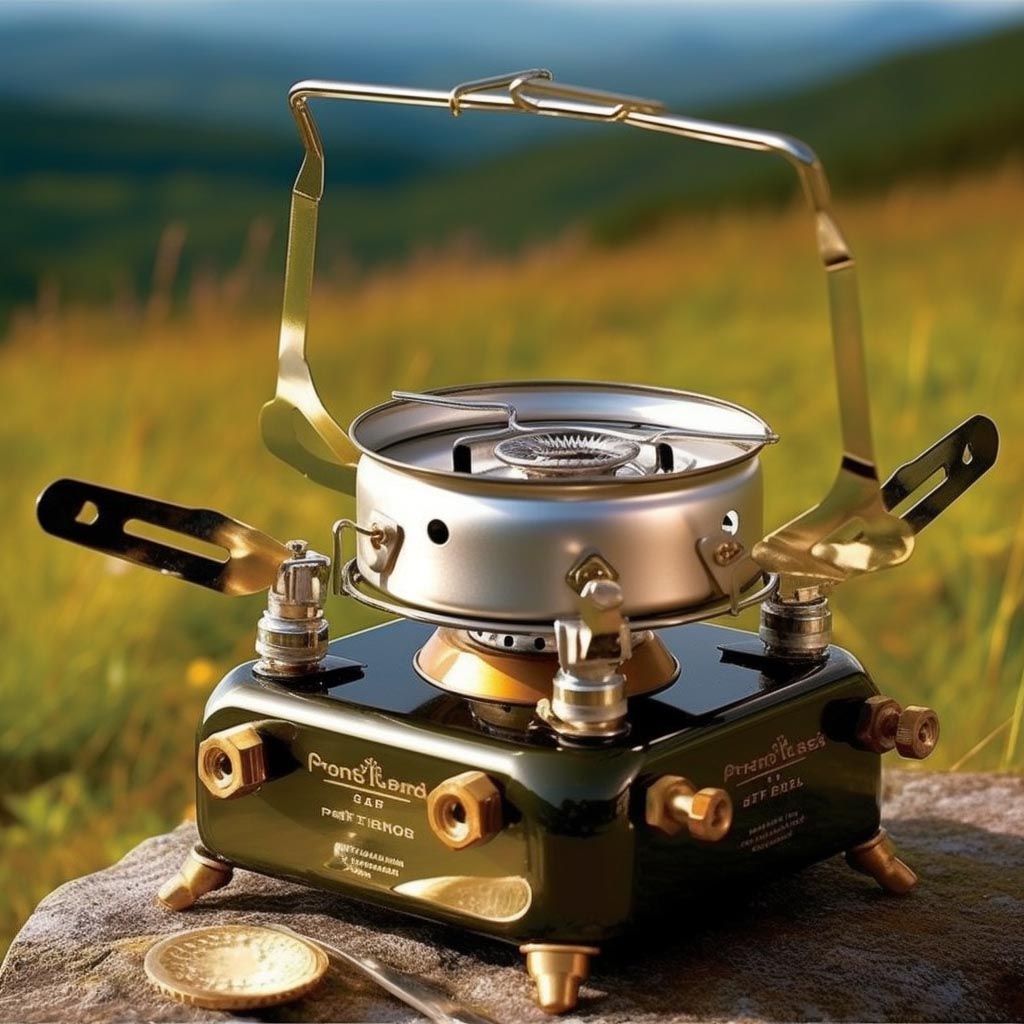
When it comes to cooking at a campsite, it’s important to have a reliable source of heat. A camp stove or grill is a must-have for any camping trip, and there are plenty of options available depending on your needs.

If you’re car camping and have plenty of space, a traditional propane stove with multiple burners might be the way to go. If you’re backpacking or trying to save space, a small, lightweight backpacking stove might be more appropriate.

Fuel for stove

Once you’ve decided on the type of stove you need, don’t forget about fuel! Most propane stoves use small canisters that are easy to pack and replace as needed.

If you’re planning an extended trip or will be using your stove frequently, it’s worth investing in a larger propane tank and hose adapter for convenience and cost savings.

If you’re using a backpacking stove that runs on fuel like white gas or alcohol, make sure to bring enough for your entire trip. These fuels can be harder to find in remote areas, so plan accordingly.

Cookware (pots, pans, utensils)

Now that you have something to cook on and fuel to power it, it’s time to think about what you’ll actually be cooking with!

Depending on your menu and preferences for cleaning up dishes afterwards, consider bringing a variety of pots and pans in different sizes. Bring utensils like spatulas and spoons as well as sharp knives for food prep.

Collapsible cookware sets are great options for saving space while still having everything you need. Don’t forget about cleaning supplies like dish soap and sponges!

Cooler with ice

Keeping food fresh while camping is essential for both safety reasons and enjoyment of your meals. A good cooler with plenty of ice (or reusable freezer packs) is a must-have.

Look for a sturdy, well-insulated cooler that’s large enough for your needs. Keep in mind that the ice will melt over time, so plan on replenishing it as needed or bringing extra ice if you’re camping in hot weather.

Plates, bowls, cups, and utensils

Eating off paper plates and using disposable utensils might seem convenient, but it’s not the most environmentally friendly option. Consider investing in lightweight reusable plates, bowls, cups, and utensils that can be used over and over again.

Bring enough for everyone in your group plus a few extras in case of breakage or loss. Don’t forget about coffee mugs or insulated tumblers for hot drinks!

Trash bags

Don’t forget to pack plenty of trash bags. Leave-no-trace principles dictate that you should pack out all your trash from the campsite to keep it clean and beautiful for future campers.

Bring separate bags for recyclables and non-recyclables as well as a larger bag to store everything before you dispose of it properly at home. It might not be the most glamorous part of camping prep, but it’s important nonetheless!

The right Camping Checklist can make all the difference in a good time or not!

Clothing and Personal Items

Appropriate clothing for weather conditions

When it comes to camping, weather can be unpredictable, so it’s important to pack clothing appropriate for different conditions. Even if the forecast calls for sun, bring a rain jacket and pants just in case. Layers are always a good idea because they can easily be added or removed depending on temperature changes throughout the day.

For warm weather, lightweight and breathable fabrics are great options. For cold weather, make sure to pack thermal underwear and wool socks.

Hiking boots or sturdy shoes

One of the most important items you’ll need for a camping trip is good footwear that can handle rugged terrain. Hiking boots or sturdy shoes with good traction will protect your feet from rough surfaces and prevent slips and falls on rocky trails. Make sure your shoes fit well and are broken in before embarking on any long hikes.

Hat and sunglasses

Protecting yourself from the sun is crucial during any outdoor activity, especially when you spend hours at a time exposed to UV rays. A wide-brimmed hat shades your face, neck, ears from the sun’s rays while sunglasses protect your eyes from harmful UV light. Don’t forget that hats also keep you warmer in cooler temperatures.

Sunscreen and insect repellent

Sunscreen is an essential item when spending time outdoors as it protects your skin from harmful UV radiation which can cause skin damage or even cancer. Along with sunscreen, protection against insect bites is also crucial as insects may carry diseases such as Lyme disease or West Nile virus; applying insect repellent regularly is an effective preventative measure.

Toiletries (toothbrush, toothpaste, soap)

Even though camping may not provide all the amenities of home, hygiene is important, so don’t skimp on packing toiletries such as a toothbrush, toothpaste, and soap. Bring enough supplies for the length of your trip, including extra toilet paper, and hand sanitizer or disinfectant wipes. You can also bring dry shampoo to keep your hair looking fresh during long camping trips.

Packing appropriate clothing and personal items can make or break a camping trip. By making sure you have comfortable footwear, protection from the sun and insects, along with being hygienic, you will ensure a safe and enjoyable experience in the great outdoors.

Ultimate Camping Checklist

Safety Gear

Preparing for Emergencies in the Great Outdoors

Camping is all about escaping the fast-paced world and immersing yourself in nature. But being out in the wilderness can also pose a number of risks. Whether it’s getting lost on a hike or dealing with an unexpected injury, it’s essential to pack safety gear that can help you handle any situation that comes your way.

First aid kit

One of the most important pieces of safety gear to bring on any camping trip is a first aid kit. A well-stocked first aid kit can help you treat minor injuries like cuts, scrapes, and burns quickly before they become serious issues.

A good first aid kit should include items like bandages, gauze pads, antiseptic wipes or spray, pain relievers, and tweezers. If you’re headed out on a longer trip or plan to be in an area without easy access to medical facilities, consider packing extra supplies like splints or a SAM splint for broken bones and minor surgical kits for emergencies.

Map and compass

Even if you’re camping in an area with well-marked trails or campsites, it’s always a good idea to have backup navigation tools like a map and compass. This is especially true if you plan to venture off-trail for some backcountry exploration.

Make sure your map covers the area where you’ll be camping and hiking and includes topography information so you can identify landmarks like rivers or peaks. If you’re not familiar with using a compass or reading maps, take some time before your trip to learn these essential skills.

Flashlight or headlamp

It gets dark quickly in most outdoor settings since there are no artificial lights around. It’s important to have a hands-free lighting source available.

Whether you’re setting up camp after sunset or need to use the bathroom in the middle of the night, a good flashlight or headlamp can help you navigate safely. A high-quality headlamp with a red-light function is especially useful because it won’t disrupt your night vision.

Whistle

In case of an emergency, sound travels farther than voice. A whistle is an incredibly lightweight and compact item that can help you signal for help in case of an emergency. The whistle should be loud enough to be heard at least a half-mile away without much effort, and every member of your group should have one attached to their backpack or person.

Multi-tool or knife

A multi-tool or knife is an essential piece of safety gear that can help you handle unexpected situations like cutting rope or fabric, preparing food, and repairing broken gear. Look for a high-quality multi-tool with pliers, scissors, screwdrivers, and blades that locks into place when extended to prevent injury.


Having the right equipment is always Number 1 priority

Entertainment and Comfort Items

Camping chairs or portable seating options

When you’re camping, you’re likely going to be spending a lot of time sitting down. Whether it’s around the campfire, reading a book, or just enjoying the great outdoors, having a comfortable place to sit is essential. This is where camping chairs or portable seating options come in.

They are lightweight and easy to carry, making them perfect for camping trips. There are many different types of camping chairs available on the market.

Some have built-in cup holders, while others have adjustable backrests for added comfort. If you’re looking for something that’s more portable, consider getting a backpack chair that folds up into a small carrying case.

Books or magazines

Camping is the perfect time to unplug from technology and reconnect with nature. While there’s nothing wrong with bringing your phone or tablet along for the trip, it’s also nice to have some good old-fashioned entertainment on hand.

Bringing books or magazines is an excellent way to pass the time while camping. Choose books that are easy to read and don’t require too much concentration. You want something that you can pick up and put down without losing track of what’s going on in the story. Magazines are also great because they offer short articles that you can read in between activities.

Board games or playing cards

Playing board games or cards is a classic camping activity that everyone can enjoy. There’s nothing quite like gathering around a picnic table under the stars and playing a game with your friends and family.

When choosing board games for your camping trip, look for ones that don’t take up too much space and aren’t too complicated to learn. Games like Uno, Yahtzee, and Bananagrams are all great choices.

Portable speakers

No camping trip is complete without some music. While you could bring a portable radio or rely on your phone’s speakers, a dedicated Bluetooth speaker is the way to go.

Portable speakers are compact and easy to transport, making them perfect for camping. When choosing a portable speaker, look for one that’s water-resistant and has a long battery life. You’ll also want to make sure it’s loud enough to be heard over the sounds of nature. With a good speaker, you can create the perfect soundtrack for your camping trip.

Miscellaneous Items

Whether you’re planning a weekend camping excursion or a multi-day backpacking trip, there are always a few miscellaneous items that come in handy on any outdoor adventure. These items may not be essential, but they can certainly make your experience more enjoyable and comfortable.

Cash for Campsite Fees

If you plan on camping in a national park or other campsite, be sure to bring cash with you to pay for your stay. Many campsites require payment upon arrival, and some do not accept credit cards. Make sure you have enough cash on hand to cover any fees associated with your chosen campsite.

Extra Batteries

When you’re out in the wilderness, it’s important to have enough power to keep your devices charged and functioning properly. Be sure to pack extra batteries for any electronic devices you plan on bringing along, such as your camera or flashlight. It’s also a good idea to invest in rechargeable batteries and a portable charger to ensure that you always have backup power when you need it.

Camera to Capture Memories

One of the best parts of camping is the opportunity to take in all of nature’s beauty and capture memories that will last a lifetime. Be sure to bring along a camera (or two) so that you can document all of the amazing sights and experiences from your trip. Whether you prefer traditional point-and-shoot cameras or fancy DSLRs, make sure that your camera is fully charged, and don’t forget extra memory cards!

Binoculars for Wildlife Viewing

Camping is an excellent opportunity for wildlife viewing – from birds soaring overhead to deer grazing nearby. Enhance your experience by bringing along binoculars so that you can get up close and personal with all of nature’s creatures. With binoculars in hand, even the most elusive animals become easier to spot!

Conclusion

So, there you have it – the ultimate camping checklist for your next outdoor adventure! By using this list as a guide, you’ll be well-prepared to enjoy your time in nature without worrying about forgetting any essential items. Remember that every camping trip is different, so you may need to modify this checklist accordingly.

Always respect the environment by properly disposing of trash and packing out everything you brought in. Follow all campsite rules and regulations to help preserve natural resources for future generations.

So go ahead – pack up your gear and hit the road! With this ultimate camping checklist as your guide, you’ll be ready for anything that comes your way on your next outdoor getaway. Adventure awaits!

Camp Like a Pro: Expert Campsite Tips for a Outdoor Adventure

Table of Contents Introduction The Importance of Camping as a Recreational Activity The Benefits of Camping for Physical and Mental Health...

A Comprehensive Guide to Choosing Your Ultimate Camping Knife

Camping can be an exhilarating and fulfilling experience. But to have a successful trip, you need the right tools. A quality camping knife is essential. Learn how to choose the perfect one!

Ultimate Camping Experience: The Definitive Guide to Camping Essentials

Discover the essential camping gear you need for a successful outdoor experience. Our comprehensive checklist includes tents, sleeping bags, stoves, and more!

Comfort in the Wild: Master Your Campsite Setup with These Expert Tips and Tricks

Camping is one of the most popular outdoor activities, but a comfortable campsite setup is essential for a great experience. Learn expert tips and tricks for choosing the right location, setting up your shelter, and sleeping comfortably.

Sleeping Bags for Extreme Weather: Your Ultimate Guide

  The Importance of a Good Sleeping Bag for Cold Weather Camping Camping in extreme weather conditions can be a thrilling adventure, but it...

Embrace Adventure: Your Ultimate Guide to Top Camping Gear

  Camping Tents, Sleeping Bags, Stoves & More   Tents When it comes to camping, the tent is the most important piece of gear. It...

Out Of the Dark: Campsite Lighting Ideas

Discover various campsite lighting ideas, including gas lanterns, battery-operated lights, and solar power options.

Ultimate Outdoor Essentials: Gear for Epic Camping Adventures!

Prepare for your camping trip with these essential accessories that ensure a safe and enjoyable outdoor experience.

Pitch Perfect: Your Ultimate Guide to Setting Up a Tent

Learn how to set up a tent like a pro with our step-by-step guide. Find the perfect spot, pick the right tent & master the art of pitching for ultimate camping success.

A Comprehensive Guide to the Best Backpacking Stoves

Explore different types of backpacking stoves and factors to consider when choosing the right one

A Comprehensive Guide to Choosing Your Ultimate Camping Knife

Camping can be an exhilarating and fulfilling experience. But to have a successful trip, you need the right tools. A quality camping knife is essential. Learn how to choose the perfect one!

Discover the Best Camping Coolers for Your Adventure

Chill Out: Discovering the Best Camping Coolers for Your Next Adventure Let's face it, there's nothing worse than warm beer or spoiled food on a camping trip. It can easily ruin the entire experience and leave you feeling frustrated. That's why investing in a...

Ultimate Comfort and Relaxation with These Top Camping Hammocks

Explore the top camping hammocks that offer unparalleled comfort, durability, and portability. Discover lightweight and versatile double hammocks for your outdoor adventures

Top Camping Lanterns of 2023: Ultimate Guide to Transform Your Nights Outdoors

Here are our choices for this years top Camping lanterns!   Welcome to our ultimate guide to the top camping lanterns of 2023! If you're an outdoor enthusiast, you know that a reliable lantern is an essential piece of your camping gear. It's not just about...

The Ultimate Camping Checklist

Planning a camping trip? Don’t forget to pack these essential outdoor adventure items. A detailed camping checklist will ensure you have everything you need for a stress-free and enjoyable experience in the great outdoors.

Camping Cuisine: Exploring the Best Stoves for Cooking in the Wild

Learn how to choose the right camping stove for cooking in the wilderness. Explore the advantages and disadvantages of propane, butane, liquid fuel, and wood-burning stoves. Find the perfect stove to enhance your outdoor cooking experience.

Top Camping Grills for Outdoor Cooking: Fire Up the Flavor

You can add a brief summary of the article’s main points here.

A Comprehensive Guide to the Best Backpacking Stoves

Explore different types of backpacking stoves and factors to consider when choosing the right one

Fuel Up Your Adventure: The Magic of Portable Gas Stoves for Outdoor Cooking

n this article, we will explore the world of portable gas stoves and how they have revolutionized outdoor cooking. Discover the convenience, efficiency, and safety features of these culinary companions that allow you to cook gourmet meals anywhere, anytime.

Ultimate Guide to Best Double Sleeping Bags for Cozy Camping

Discover the importance of a good night’s sleep while camping and how double sleeping bags can enhance your outdoor experience. Explore the benefits, top features to look for, and check out our recommendations for the best double sleeping bags on the market. Stay warm, comfortable, and connected with your camping partner for a memorable adventure in nature.

Sleeping Bags for Extreme Weather: Your Ultimate Guide

  The Importance of a Good Sleeping Bag for Cold Weather Camping Camping in extreme weather conditions can be a thrilling adventure, but it also requires careful planning and preparation. One of the essential items you need to consider is your sleeping bag. A...

Guide to One-Person Tents for Solo Adventurers

Lost in Solitude: Discover the Untamed Wilderness with Your Ideal One-Person Tent!

Some Really Fun Places to Camp With Your Family!

RankLocationWebsite
1Yellowstone National ParkVisit Website
2Acadia National ParkVisit Website
3Grand Teton National ParkVisit Website
4Yosemite National ParkVisit Website
5Glacier National ParkVisit Website
6Zion National ParkVisit Website
7Rocky Mountain National ParkVisit Website
8Great Smoky Mountains National ParkVisit Website
9Olympic National ParkVisit Website
10Sequoia and Kings Canyon National ParksVisit Website

Camping Gear Checklist Download

First-Time Camping Tips
Shelter & Sleep System
Camp Kitchen & Food
Camp Cooking Extras
Serving and Tableware
Cleanup
Campfire Tools
Extras and Camping Activities

Campsite Planning

Make sure to plan your campsite location and any additional requirements beforehand to ensure a smooth camping experience.
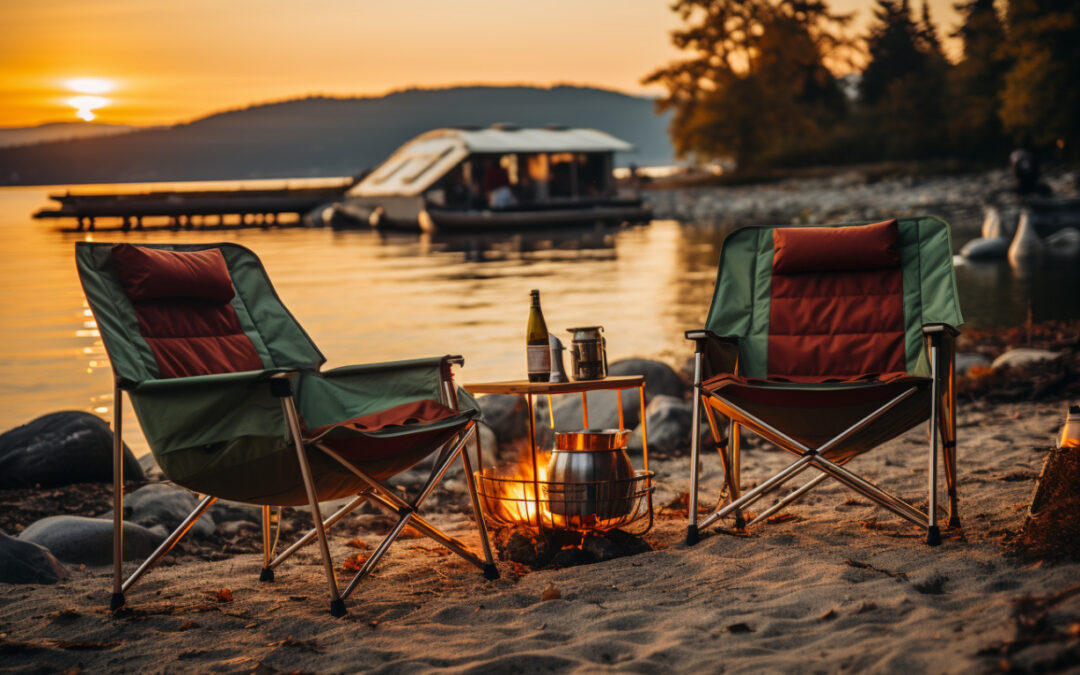
Camp Like a Pro: Expert Campsite Tips for a Outdoor Adventure

Camp Like a Pro: Expert Campsite Tips for a Outdoor Adventure

Camp Like a Pro: Expert Tips for a Memorable Outdoor Adventure

Camping is one of the most underrated recreational activities out there. It’s a perfect way to break free from the busy city life and connect with nature. The sound of birds chirping, leaves rustling, and the smell of fresh air can be therapeutic to your mind and body. Camping offers numerous benefits that are often overlooked.

The Importance of Camping as a Recreational Activity

Camping is an excellent way to explore nature while also enjoying some peace and quiet away from your busy city life. It’s an opportunity for you to disconnect from technology and reconnect with yourself, friends, or family. It’s a chance to create lasting memories with loved ones while exploring new places.

The Benefits of Camping for Physical and Mental Health

The benefits of camping for physical health are vast. You can enjoy activities such as hiking or biking that provide an excellent workout while breathing in fresh air that is good for your lungs. Being in nature has been proven to lower blood pressure and reduce stress levels.

Mentally, camping provides a sense of peacefulness that we often lack in our day-to-day lives. When you’re camping, there are no distractions; it’s just you and nature. This allows for reflection on life choices or personal growth in different areas of your life.

Pre-Camping Preparation


The Importance of Choosing the Right Campsite

It cannot be overstated how important it is to choose the right campsite for your trip. Whether you’re looking to get away from it all with a remote wilderness experience or want easy access to modern amenities, careful consideration of your needs and wants is essential.

Location is key, as you’ll want to ensure you’re in a place that offers the kind of scenery and terrain you’re after. But don’t forget about regulations! Many campsites have rules regarding fires, noise levels, and other important factors that can impact your enjoyment of the experience.

Packing Smart for Your Camping Trip

When it comes to packing for a camping trip, less is definitely more.

This means you should aim to pack only what’s absolutely necessary – including lightweight clothing suitable for the weather conditions you’ll be facing, snacks and meals that won’t spoil or take up too much space in your backpack.

It’s also important to consider weight distribution when packing so that your pack feels balanced and comfortable on long hikes.

Choosing Gear That Suits Your Needs

Different types of camping trips require different gear – there’s no one-size-fits-all solution here.

If you’re planning a car camping trip, for example, you may be able to bring more gear along with you than if you were backpacking into the wilderness.

Some must-have items include a high-quality tent (make sure it’s weatherproof!), sleeping bags rated appropriately for expected temperatures, cooking utensils and fuel (if allowed), sturdy footwear suitable for outdoor activity depending on terrain (e.g., hiking boots), headlamps/flashlights with spare batteries or solar powered devices if available.

Clothing Tips

If you want to stay comfortable while camping, dress in layers. This way, you can easily adjust your clothing as the temperature changes throughout the day and night.

Remember, even if it’s hot during the day, temperatures can quickly drop after sunset or at higher elevations, so be sure to pack warm layers to keep yourself cozy.

Food Tips

Preparation is key when it comes to food on a camping trip. Make sure you have meals and snacks planned out ahead of time – this will save you time and headaches on your trip (and will prevent you from going hungry!). Pack food that doesn’t require refrigeration or a lot of cooking.

You can also consider bringing pre-made meals for easy preparation over the campfire or portable stove. Pre-camping preparation involves many important decisions that can make or break your camping experience.

Taking time to assess your needs and wants is essential for choosing a suitable campsite, packing efficiently for various activities and selecting gear suited for them is necessary. A well-thought-out plan gives you more time to relax and enjoy nature without worrying about what might go wrong along the way.


Recommended Camping Gear

ItemLink
Tent footprint or tarpLink
Family tentLink
Tent stakesLink
Sleeping bagsLink
Camping chairsLink
LanternsLink
Portable stoveLink
CoolerLink
First aid kitLink


Setting Up Camp: The Ultimate Guide to Create the Perfect Outdoor Home

Camping is all about leaving behind the comforts of home and immersing yourself in the great outdoors. However, that doesn’t mean you can’t create a cozy and comfortable campsite that feels like a second home.

Whether you are an experienced camper or a novice, setting up camp can be a daunting task. Here is a step-by-step guide on how to set up camp and create your ultimate outdoor home.

Tent Assembly: Your Shelter from the Elements

The first step in setting up camp is assembling your tent. There are countless brands and types available, so make sure you have the right one for your trip.

When choosing a spot to pitch your tent, look for level ground with natural windbreaks such as trees or shrubs. Once you’ve found the perfect spot, lay out your tent and stake it down securely. Make sure to assemble all poles and attach them properly before trying to raise the tent body.

When raising the tent body, make sure it’s taut but not too tight to avoid ripping or tearing. Don’t forget about ventilation! In warmer weather, it’s important to create airflow through your tent by opening windows or vents. In colder weather, keep everything sealed tight for warmth.

Create A Fire Pit: The Heart of Your Campsite

A fire pit creates ambiance and warmth while also providing a place to cook food or roast marshmallows. Before creating your fire pit, check local regulations on open fires and obtain any necessary permits. Find an area that’s clear of debris such as leaves or sticks and dig out a shallow pit about 1 foot deep by 2 feet wide. Line the pit with stones or bricks for safety and aesthetics. When building your fire, start small with kindling before adding larger logs. Make sure to keep a bucket of water nearby in case of emergencies.

Organize Your Gear: Avoid the Clutter

Organization is key when it comes to camping gear. Keep everything easily accessible and in its place to avoid clutter or lost items. Invest in a good quality backpack with multiple compartments for easy access. Keep your sleeping bag and pad together for quick assembly at night. Store frequently used items such as flashlights or matches within reach.

Make Camp Feel Like Home: Cozy Touches

Creating a comfortable campsite is all about the little touches. Bring a few throw pillows or blankets to cozy up around the fire. Hang string lights around your tent or over the picnic area for ambiance and functionality. Don’t forget about seating options! Invest in camp chairs or bring along some extra cushions for added comfort.

Clean Up After Yourself: Leave No Trace

When it’s time to pack up and leave, make sure you leave no trace behind. Clean up any trash, extinguish any fires properly, and pack out everything you brought in. Leave your campsite better than you found it for future generations to enjoy. Setting up camp may seem overwhelming, but with these tips, it can become an enjoyable experience that enhances your outdoor adventure. Remember, camping is all about embracing nature while creating a comfortable home away from home

Activities During Camping

Safety in the Great Outdoors: Don’t Leave Home Without These Essential Safety Precautions

Camping is a fun and exciting way to enjoy the great outdoors, but it’s important to remember that nature can be unpredictable. Before heading out on your next camping adventure, make sure you have all of the essential safety precautions in place to ensure a safe and enjoyable trip.

One of the most important things you can do is to pack a well-stocked first aid kit

Your kit should include items like bandages, gauze, antiseptic wipes, insect repellent, pain relievers, and any prescription medications you might need.

It’s also a good idea to bring along a basic survival kit that includes items like matches or a lighter, a compass or GPS device, and an emergency blanket. Another essential safety precaution is carrying an emergency communication device such as a satellite phone or radio.

These devices will allow you to call for help in case of an emergency. Make sure you know how to use the device before leaving for your trip.

Wildlife Awareness: Respect Nature and Stay Safe

While camping, it’s important to remember that you are in animals’ territory and they are just as likely (if not more) to encounter them than they are to encounter us.

Wildlife can be dangerous if they feel threatened or cornered, so it’s always best practice not only for our safety but also for theirs’ is respect their territory. Avoid feeding wildlife at all costs as this contributes to changing their natural behavior pattern resulting in conflict between humans and animals.

Keeping food away from wildlife i.e., storing food properly away from campsites is equally important as unattended food attracts curious animals which could lead to unwanted encounters with them.

To avoid bears wandering into your campsite at night, always hang your food up high – 10 feet off the ground between two trees, at least 6 feet from each tree trunk. Be sure to keep your campsite clean and free of food scraps as this can attract curious animals to your campsite.

Proper Food Storage: Keep Your Food Safe and Secure

Keeping food safe while camping is important not just for keeping wildlife away but also for hygiene purposes. Proper food storage will help prevent the spread of disease amongst campers and maintain the adequate nutritional content of the food.

The most important rule is never to leave your food unattended while cooking or resting. When it comes to storing food, always store everything in airtight containers or sealable bags before placing them in a cooler with ice blocks or frozen water bottles, which will prolong its freshness.

To avoid cross-contamination, be sure to store raw meats separately from cooked foods and use different utensils for preparation and serving. When disposing of waste, follow “leave no trace” principles by packing out all garbage and properly disposing of it in designated receptacles nearby.

Activities and Entertainment

Unleash the Adventurer in You: Outdoor Activities for a Memorable Camping Trip

Camping is one of the best ways to disconnect from technology and embrace the great outdoors. It’s an opportunity to breathe in the fresh air, absorb nature’s beauty, and experience new things. Whether you’re an avid hiker or just getting started with outdoor activities, there are plenty of fun and exciting things to do while camping.

There’s no better way to experience nature than by exploring scenic trails surrounded by trees, mountains, or waterfalls. Hiking also provides numerous health benefits such as burning calories and reducing stress levels. Make sure you have proper footwear and bring plenty of water with you on your hike.

Another activity worth trying is fishing

For those who love water-based activities, fishing is an excellent option that can fill your day with excitement. Imagine casting a line into a crystal-clear lake or river as you soak up the sunsets while listening to birds chirping in the background? Fishing can be a relaxing activity that allows you to connect with nature in its purest form.

Kayaking or canoeing are also excellent options if your campsite has access to lakes or rivers

Paddling along calm waters while admiring scenic views can be therapeutic while also providing a great upper body workout.

For those who prefer more exciting outdoor activities, rock climbing could be worth trying out!

It’s an adventure-packed activity where participants climb natural rock formations using ropes and gear for safety purposes.

Turn Up The Fun: Games And Other Forms Of Entertainment For Your Camping Trip

Aside from outdoor activities like hiking and fishing, there are plenty of games that can keep everyone entertained around camp. These games come in different forms making it possible for both kids and adults to partake in them. For example, classic camping games such as horseshoes, cornhole, or ring toss are still popular and easy to play.

These games can be enjoyed by both kids and adults, making them a perfect option for family trips. Board games are another excellent option for entertainment around camp. They’re perfect for winding down after a long day of activities or when the weather takes a turn for the worse. Games like Jenga, Scrabble, or Monopoly require minimal setup and can provide hours of fun.

Storytelling around the campfire is an age-old tradition that shouldn’t be overlooked. Gather everyone around the fire pit and take turns sharing interesting stories about your life; this is not only entertaining but also could help create bonds among your group.

Camping offers numerous opportunities to experience nature, disconnect from technology, and bond with friends/family. Activities like hiking or kayaking can unleash your adventurous side while simpler things like playing board games have the power to bring people together in a social setting outside of their everyday routine. Keep these activities in mind when planning your next camping trip and have an unforgettable experience!

Campsite tips from Campsite planning

The Joy of Cooking Over An Open Flame

When in doubt, cook over the fire. Cooking over an open flame is an essential part of camping. In fact, it’s one of the things that makes camping such a unique and enjoyable experience. There’s something about cooking your food over a fire that adds a sense of adventure and excitement to the entire process. Plus, it just tastes better!

But cooking over an open flame can be intimidating if you’re not used to it. There are some tips and tricks that can help you avoid common mistakes and ensure that your meals turn out delicious every time.

Keep It Simple

When it comes to cooking over a fire, simplicity is key. You don’t need fancy equipment or complicated recipes to make delicious meals. Stick with basic ingredients like meat, vegetables, and potatoes – all of which can be easily cooked on a stick or wrapped in foil.

One of our favorite camping meals is foil-wrapped chicken with potatoes and carrots. Simply cut up some chicken breast, potatoes, and carrots into bite-sized pieces and wrap them in foil with some olive oil, salt, pepper, and herbs. Then grill them over the fire until everything is cooked through – easy peasy!

Invest In The Right Equipment

While you don’t need fancy equipment to cook over an open flame, investing in some basic gear can make the process much easier – especially if you plan on doing a lot of camping. A good set of cast iron cookware is always a great investment for campfire cooking.

Cast iron skillets can be used for everything from pancakes to stir-fry dishes, while Dutch ovens are perfect for stews or chili. Another must-have item for any camp chef is a set of long-handled tongs or spatulas – this will help keep your hands safe from the heat while still allowing you to cook your food properly.

Embrace The Char

When cooking over an open flame, a little bit of char is expected – and even desired! The char adds flavor and texture to your food, helping to create that classic camping taste. Just be careful not to burn your food by keeping a close eye on it and rotating it frequently. And if you do end up with some burnt bits, don’t worry – they can always be scraped off!

Easy-To-Make Camping Meals

No-fuss meals for the great outdoors. Cooking while camping shouldn’t feel like a chore. You want meals that are easy to make with minimal prep time so you can spend more time enjoying the great outdoors. Here are some of our favorite easy-to-make camping meals:

Campfire Chili

Nothing warms you up like a bowl of hearty chili on a chilly night. Make it easy by prepping everything at home before you leave for your trip. Just brown some ground beef in a skillet, then add canned tomatoes, beans, and chili seasoning. Transfer everything to a Dutch oven or large pot and let it simmer over the fire until it’s bubbly and hot.

Campfire Quesadillas

These quesadillas are quick to make and customizable based on what ingredients you have on hand. Simply place tortillas on cast iron skillets or directly on the grill grates over low heat.

Layer shredded cheese (cheddar works well) along with cooked chicken or beef strips and any chopped veggies (bell peppers or onions work well). Fold the tortilla in half with tongs when the cheese has melted.

Conclusion

Cooking over an open flame is one of the most enjoyable parts of camping – after all, there’s nothing quite like the taste of food cooked over a campfire.

With the right gear and some simple recipes, you can enjoy delicious home-cooked meals while enjoying the great outdoors. So next time you’re planning a camping trip, don’t forget to bring along your cast iron cookware and some basic ingredients.

Whether you’re cooking up chili or roasting marshmallows, cooking over an open flame is sure to add some excitement and adventure to your camping experience.

Discover the Magic of Leave No Trace Principles for Camping

Camping is a great way to get closer to nature, explore new places, and bond with friends and family. However, it also brings the responsibility of respecting nature and preserving it for future generations. This is where Leave No Trace principles come in – a set of guidelines designed to help campers minimize their environmental impact while enjoying the great outdoors.

Survival or Peril: Campsite Dogs and the Bear Conundrum

Dog and Black Bears: Mitigating Risks at the Campsite

The Unraveling of the Canine-Bear Connection: Do Dogs Attract Bears?

The mesmerizing power that dogs possess over bears lies in their scent - a tantalizing bouquet that seems to enchant even the most stoic of bears....

Mastering the Art of Fishing: Good Luck With That

Fishing connects you with nature and brings a sense of peace. Learn the art of angling, from bait selection to responsible catch-and-release.

Relax in Style: The Best Camping Chairs

Discover the top camping chairs for ultimate relaxation and comfort during your outdoor adventures. Find durable, portable, and comfortable camping chairs that suit your needs. Explore our expert recommendations and make the most of your camping experience

Guide to One-Person Tents for Solo Adventurers

Lost in Solitude: Discover the Untamed Wilderness with Your Ideal One-Person Tent!

Ultimate Guide to Best Double Sleeping Bags for Cozy Camping

Discover the importance of a good night’s sleep while camping and how double sleeping bags can enhance your outdoor experience. Explore the benefits, top features to look for, and check out our recommendations for the best double sleeping bags on the market. Stay warm, comfortable, and connected with your camping partner for a memorable adventure in nature.

The Ultimate Camping Checklist

Planning a camping trip? Don’t forget to pack these essential outdoor adventure items. A detailed camping checklist will ensure you have everything you need for a stress-free and enjoyable experience in the great outdoors.

Top Ten Of The Best Family Tents To Stay Cozy

Discover the top 10 family tents, offering comfort, durability, and spaciousness. Create memorable outdoor adventures with these versatile camping companions.

Ultimate Camping Experience: The Definitive Guide to Camping Essentials

Discover the essential camping gear you need for a successful outdoor experience. Our comprehensive checklist includes tents, sleeping bags, stoves, and more!

Some Really Fun Places to Camp With Your Family!

RankLocationWebsite
1Yellowstone National ParkVisit Website
2Acadia National ParkVisit Website
3Grand Teton National ParkVisit Website
4Yosemite National ParkVisit Website
5Glacier National ParkVisit Website
6Zion National ParkVisit Website
7Rocky Mountain National ParkVisit Website
8Great Smoky Mountains National ParkVisit Website
9Olympic National ParkVisit Website
10Sequoia and Kings Canyon National ParksVisit Website

fatman lost icon button

Camping Gear Checklist Download

First-Time Camping Tips
Shelter & Sleep System
Camp Kitchen & Food
Camp Cooking Extras
Serving and Tableware
Cleanup
Campfire Tools
Extras and Camping Activities

Campsite Planning

Make sure to plan your campsite location and any additional requirements beforehand to ensure a smooth camping experience.
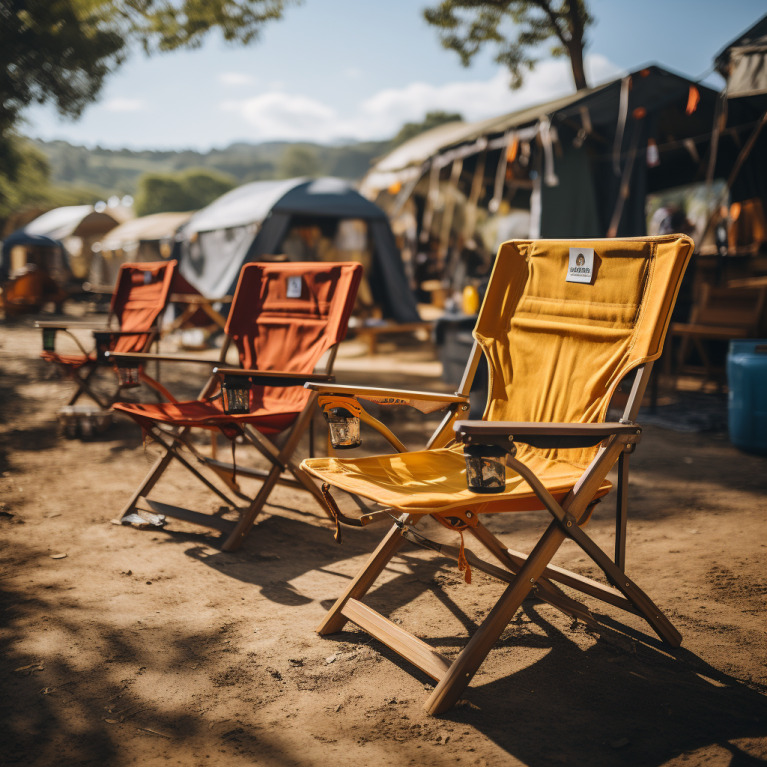
Camping Cuisine: Exploring the Best Stoves for Cooking in the Wild

Camping Cuisine: Exploring the Best Stoves for Cooking in the Wild

 What’s Inside

Choosing the Right Camping Stove for Cooking in the Wilderness

Alright, let me paint a picture for ya. You’re out in the wilderness, surrounded by nature’s beauty, and you’ve worked up quite the appetite. The smell of adventure is in the air, and your stomach is growling louder than a grizzly bear.

Now, you reach for your backpack, all set to whip up a delicious meal that would make even the forest creatures jealous. But uh-oh, you forgot one thing – a reliable camping stove. Without it, you’re about as useful as a one-legged man in a butt-kicking contest.

So, what are your options? You could try starting a fire with dry wood or leaves, but that’s like trying to fix a broken car with a roll of duct tape – it might work, but it’s gonna be a whole lot of hassle and might blow up in your face.

That’s where a trusty camping stove comes in, my friend. It’s the secret sauce to turning your outdoor adventure into a culinary masterpiece. Not only does it make cooking a breeze, but it also keeps you warm on those chilly nights and helps you boil water for a nice cup of joe.

The Importance of Having a Reliable Camping Stove for Cooking in the Wild

Let me tell ya, a reliable camping stove is worth its weight in gold when you’re out there in the wild. It’s like having a personal chef, a handy heater, and a hot water dispenser all rolled into one.

Picture this: you’re miles away from civilization, with nothing but trees and wildlife surrounding you. You’ve spent the day hiking, fishing, or exploring nature’s wonders. As night falls, you start feeling that familiar rumble in your belly, reminding you that it’s time to refuel.

With a reliable camping stove by your side, you can whip up a hearty meal that would make your taste buds do a happy dance. You won’t have to settle for bland and boring canned foods or risk food poisoning by eating something questionable from the wild.

And let’s not forget about the warmth. When the temperature drops and the night air sends chills down your spine, a camping stove can be your trusty companion, keeping you cozy and comfortable as you enjoy the great outdoors.

Oh, and did I mention the magic it works with water? Need a cup of coffee to kickstart your day or some hot water to rehydrate your freeze-dried meals? A camping stove can make it happen in a jiffy.

Campsite Grills

Types of Camping Stoves

Now that we’ve established the importance of having a reliable camping stove, let’s dive into the different types that are out there. You see, not all stoves are created equal, and it’s essential to choose the one that suits your needs like a glove.

In the world of camping stoves, we’ve got four main contenders: propane, butane, liquid fuel, and wood-burning stoves. Each has its own unique set of qualities, just like the members of my dysfunctional family. Let’s take a closer look, shall we?

Propane Stoves: The Classic Choice

Ah, propane stoves. They’re the classic choice, like a trusty old pair of shoes that never let you down. These babies run on small propane canisters that you can find at any outdoor store worth its salt.

Now, what makes propane stoves so popular? Well, for starters, they’re easy to set up and use. None of that priming and pumping business that makes you feel like you’re performing a science experiment. Just attach the fuel canister, turn on the valve, light the burner, and voila! You’re in cooking heaven.

Propane stoves are all about convenience and reliability. They provide consistent heat, making your meals sizzle faster than a hot potato on a summer day. Whether you’re whipping up a gourmet feast or simply boiling water for that instant mac and cheese, propane stoves have got your back.

But hey, let’s not ignore the elephant in the room – propane stoves can be a bit on the heavy and bulky side. If you’re all about that ultralight backpacking life or have limited space in your trunk, you might want to consider a lighter option, like a butane stove.

Tips for Setting Up and Maintaining Your Propane Stove

Alright, let me drop some knowledge bombs to help you get the most out of your propane stove:

  • Before using your stove, make sure it’s properly assembled. Ain’t nobody got time for missing pieces when you’re hungry.
  • Always cook on a level surface. We’re aiming for even heat distribution here, not a tilted cooking disaster.
  • Don’t over-tighten the fittings when connecting your fuel canister. We don’t want any stripped screws or leaky situations.
  • Store your stove and fuel canisters in a cool, dry place. Let’s keep that label readable and prevent any funky stuff from happening.

Follow these tips, my friend, and your propane stove will be your culinary sidekick for many outdoor adventures to come.

Camp StoveAmazon Link
Camp Chef Explorer Double Burner StoveAmazon Link
Coleman Portable Butane StoveAmazon Link
Etekcity Ultralight Portable Outdoor Backpacking StoveAmazon Link
Camp Chef Everest 2-Burner StoveAmazon Link
MSR PocketRocket 2 Ultralight Backpacking StoveAmazon Link
Coleman Classic Propane StoveAmazon Link
Jetboil Flash Camping and Backpacking StoveAmazon Link
Solo Stove Lite – Compact Wood Burning Backpacking StoveAmazon Link
Camp Chef Everest High-Output 2-Burner StoveAmazon Link
Ohuhu Portable Stainless Steel Wood Burning Camping StoveAmazon Link

Butane Stoves: Lightweight and Portable

Now, if you’re all about that lightweight and portable game, butane stoves might just be your jam. They’re like the nimble little brother of propane stoves, compact and ready to hit the road.

Butane stoves run on, you guessed it, butane. This gas is easy to transport and store, making it a popular choice for campers on the move. You can find butane canisters with ease, and they won’t take up much space in your backpack or camping gear.

One of the significant advantages of butane stoves is their size. They’re smaller and more compact than their propane counterparts, making them a breeze to carry while hiking or traveling. Talk about convenient, right?

Setting up a butane stove is a piece of cake – no preheating required. Just find a flat surface, attach the fuel canister, turn on the gas valve, and ignite the flame. And boom! You’re ready to cook up a storm.

Tips for Maintaining Your Butane Stove in Good Condition

Listen up, my friend, here are some pro tips to keep your butane stove in top-notch condition:

  • After each use, wipe off any debris or excess fuel from the burners and surfaces. Keep that stove sparkling clean, just like your favorite bowling ball.
  • Store your butane canisters away from direct sunlight or heat sources. We don’t want them getting all hot and bothered.
  • Give your butane stove the royal treatment by storing it in a carrying case. Protect it from dirt, dust, and all the other stuff that can mess with its performance.

Follow these tips, and your butane stove will be your trusty sidekick on all your outdoor escapades.

Paradise on the Beach: Beachfront Tent Camping

Beachfront tent camping combines the beauty of nature with the excitement of beach activities. Discover the appeal of waking up to an unobstructed view of paradise, immersing yourself in the natural environment, and disconnecting from technology.

Top 10 State Parks in Alabama

Alabama is a state that is known for its natural beauty and diverse landscapes. From the Gulf of Mexico to the Appalachian Mountains, Alabama has plenty of outdoor treasures to explore. One of the best ways to experience Alabama’s natural beauty is by visiting its state parks.

Ten of the Best Washington State Campgrounds To Chill!

Explore the top campgrounds in Washington State and experience the beauty of nature. Find the perfect camping spot for your next adventure

Dispersed Camping: How To Rough It For Newbies

Step off the beaten path and immerse yourself in the untamed beauty of dispersed camping. Embrace the freedom, solitude, and serenity that await as you create your own adventure in the great outdoors.

Recommended Camping Gear

ItemLink
Tent footprint or tarpLink
Family tentLink
Tent stakesLink
Sleeping bagsLink
Camping chairsLink
LanternsLink
Portable stoveLink
CoolerLink
First aid kitLink

fatman lost icon button

AN UPGRADE MAYBE?

Check out our Blog post on campsite hatchets here!

Want a Free Workout?

Small Camping Stove

Liquid Fuel Stoves: Versatile and Efficient

Alright, my friend, let’s talk about the rebels of the camping stove world – the liquid fuel stoves. These bad boys run on a variety of fuels, like white gas, kerosene, and diesel. They’re like the free spirits of the wilderness.

What makes liquid fuel stoves stand out? Well, for one, their versatility. You can find fuel for these stoves almost anywhere in the world. They’re like the MacGyver of camping stoves, ready to adapt to any situation.

But that’s not all. Liquid fuel stoves are efficient as heck. They burn hotter and longer on less fuel, saving you some precious moolah in the long run. Plus, they’re not affected by cold weather conditions, so you can cook up a storm even in sub-freezing temperatures.

Now, I gotta warn ya, handling the fuel for these stoves requires some caution. We’re dealing with highly flammable substances here, so make sure to read the instructions and take all the necessary safety precautions.

Tips for Setting up and Using a Liquid Fuel Stove for Optimal Performance

Ready to rock that liquid fuel stove like a pro? Here are some tips to help you get the most out of it:

  • Assemble your stove correctly, following the manufacturer’s instructions. We don’t want any haphazard setups when it comes to flammable liquids.
  • Prime your stove by filling the tank or cup with the right fuel, like denatured alcohol. No gasoline, please! Safety first, Camper style.
  • Light that baby up with matches or a lighter, but don’t forget to turn on the jet valve. We want flames in the stove, not our faces.
  • Adjust the flame to your desired heat level, just like adjusting the recliner to your perfect TV-watching position.
  • When you’re done cooking, turn off the stove and let it cool down before storing it away. We don’t want any accidental fires or burnt fingers, right?

Follow these tips, and your liquid fuel stove will be your loyal companion in all your outdoor cooking endeavors.

Wood-Burning Stoves: Eco-Friendly Option

Alright, let’s bring in the eco-friendly vibes with wood-burning stoves. These babies are all about embracing nature and cooking with the resources it provides.

With a wood-burning stove, you don’t need to carry fuel in and out of the wilderness. You can rely on the natural and renewable resource of wood. It’s like giving Mother Earth a high-five while cooking up a storm.

One of the best things about wood-burning stoves is their consistency. As long as you have access to dry wood, you can count on a steady source of heat to cook your meals. No need to worry about running out of fuel in the middle of your culinary adventure.

And let’s not forget the ambiance. Cooking over an open flame, with the smell of burning wood in the air, is an experience like no other. It’s like going back to our primal roots and reconnecting with nature.

Now, I gotta be honest with you – wood-burning stoves do require a bit more effort. You’ll need to gather dry firewood, chop it into small pieces, and start a fire from scratch. It’s like playing caveman, camper-style.

Conclusion

So there you have it, my friend. The world of camping stoves awaits you, ready to turn your wilderness cooking into a masterpiece.

Whether you choose the classic convenience of a propane stove, the lightweight portability of a butane stove, the versatile efficiency of a liquid fuel stove, or the eco-friendly charm of a wood-burning stove, make sure it suits your needs and gets you cooking like a pro.

Remember, cooking in the wild is not just about satisfying your hunger. It’s a chance to disconnect from the daily grind, embrace nature, and savor every delicious bite.

So go out there, find the perfect camping stove that speaks to your inner camper, and let the adventure begin!

Camping Gear Checklist Download

First-Time Camping Tips
Shelter & Sleep System
Camp Kitchen & Food
Camp Cooking Extras
Serving and Tableware
Cleanup
Campfire Tools
Extras and Camping Activities

Campsite Planning

Make sure to plan your campsite location and any additional requirements beforehand to ensure a smooth camping experience.