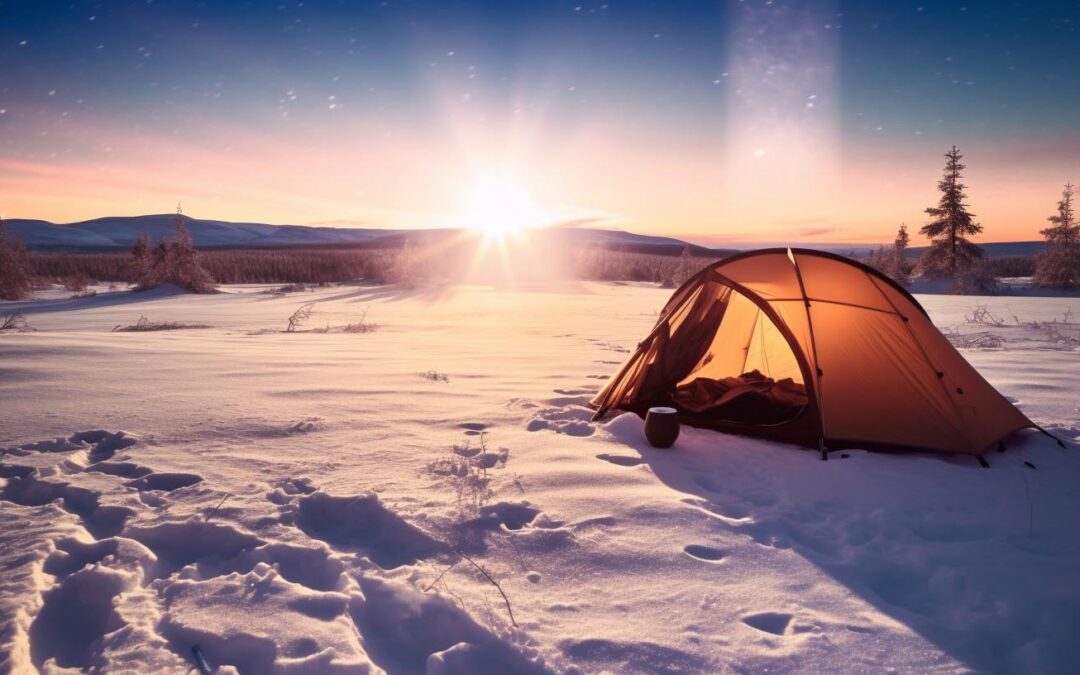
High altitude camping can be fun if you are geared up for it right. Now couple that with kids at an elevation of 3000-5000 ft. And high altitude camping with kids is an entirely different experience.
Planning and preparation have to be on point; you could ruin or make your trip. Whichever you prepare for will define that in the end. High elevation camping with kids is very exciting but extremely dangerous. Between altitude sickness, dehydration, and sleeplessness, the risks are high, but if prepared correctly, it can be the best times of your life.
High Altitude Camping with Kids
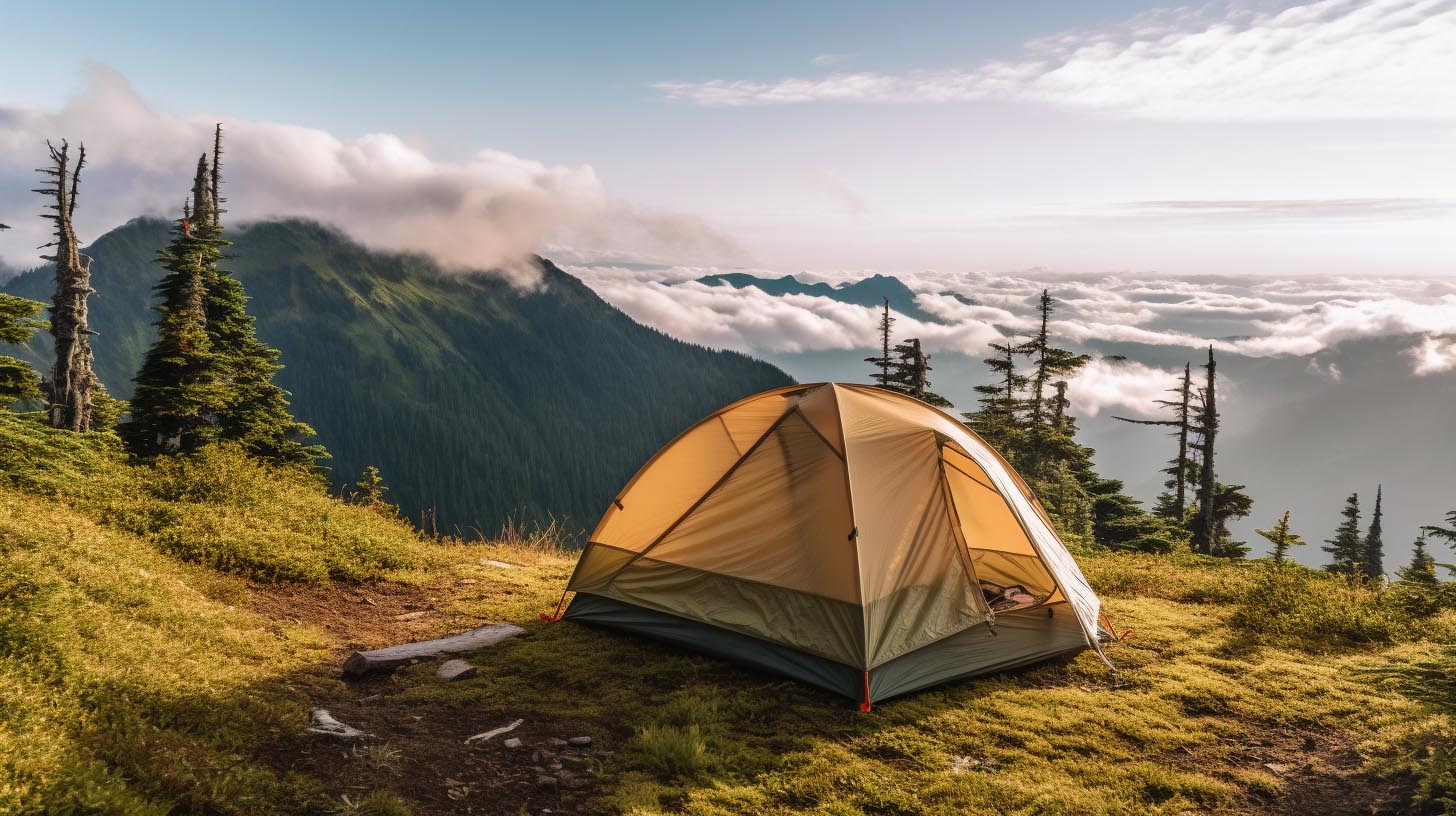
Camping at high altitude is very different from the usual camping methods and scenarios, where the feeling of lush green leaves sticking to your skin, insects swarming around you, and breathing in the early morning dew dominate. High altitude camping is an entirely different ballgame.
Picture yourself standing on a building over 5000 feet high. This can be likened to high altitude camping, at least visually. The cold and icy feeling stinging your skin, the dirt in your eyes, slippery and uncomfortable footpaths on the mountain slopes… all come together when you’re high altitude camping.
You should not go high altitude camping with kids unless you have a very precise preparation plan in place. You do not want one of the kids falling ill with high altitude sickness without having the provisions to treat it.
Some symptoms of altitude sickness may include headaches, dizziness, restlessness, confusion, shortness of breath, lack of appetite, fatigue, nausea, and sleep deprivation. Factors like dehydration and ascending altitude contribute to altitude sickness, according to a study from the Wilderness Medical Society.
As a guide or parent, you should also realize that kids have difficulties expressing how they feel in regards to altitude sickness, so you might have a hard time finding out exactly what is wrong with them.
High Elevation Warnings
Due to this, some studies have recommended specific viable factors that you should note before heading out for high altitude camping with kids:
- Kids between 1 day to 1 year old should not be taken on altitude camping trips and locations between 5000 to 8000 feet, generally.
- You should monitor and supervise kids under the age of 3 very closely during altitude climbs for symptoms of high altitude sickness.
- Ascension for kids should be slow and gradual.
- You should monitor kids who have difficulty communicating. After about 3000 feet, you should begin the descent.
The study has shown that physical conditioning for kids can reduce the likelihood of altitude sickness in them. These include keeping them hydrated, providing meals with high carbohydrates regularly, and not making the kids climb to the location in one day. Instead, it should be done in intervals, preferably covering 1000 feet per day. Sleeping at an altitude between 1000 and 5000 feet is also recommended.
You should consider all this and do proper planning before thinking about going high altitude camping with kids. Remember, the only cure for altitude sickness is descent. So, it’s best to avoid it in the first place.
All Packed? What’s Next?
With all this information, I hope that next time you plan on going high altitude camping with kids, you’ll have made sufficient plans for altitude sickness and all other factors that might trigger its likelihood. Now, it’s time to pack your backpack and get ready for a crazy sweet ride.
Camp Setup
This is the next thing you should consider after tackling altitude sickness. I made it clear earlier that high altitude camping with kids is not at all the same as camping on a lowland campsite; you need to take ample precautions for safety, which will naturally increase the amount of fun you want the kids to enjoy.
Here are some things to note:
- Pick a shelter out of the wind and possible falling rocks.
- During ascent, avoid camping on mountain passes that can act as wind tunnels.
- Make use of established campsites, as they are safer and more reliable and most likely have provisions in them.
- Hold your gear down with massive stones to prevent them from being blown away by gusts of wind.
- Avoid ridges and exposed ground, as they are usually hot zones for lightning strikes.
- Ensure the kids have boots with crampons for ice gripping.
- Use an altimeter to measure the altitude and changes in atmospheric pressure.
- Provide high altitude sleeping bags for the kids’ comfort and a good night’s sleep.

Camping and Cooking
We all know how vital the right food is for kids. The importance of this increases even more when you’re high altitude camping. You need to keep their spirits up and their energy high. So, for cooking, eating, and drinking at high altitudes, here are some things you should take into consideration.
- Bring your own wood, as finding dry wood can be hard at the peak or mountain pass. To be on the safer side, pack your own dry wood.
- Sometimes carrying wood can be stressful, especially while climbing over 3000 feet. To ease the stress, you may substitute wood for stoves and camping gas.
- Make sure the kids drink a lot of water, as high altitude camping can cause increased urination for both adults and kids. Keeping them hydrated is crucial.
- Reiterate my earlier point, stuff them full of carbohydrates. It will help the kids remain energetic throughout the trip.
Sanitation Guide for Altitude Camping
It may come across as common sense, but paying attention to sanitation is essential for a successful camping experience, including at high altitudes. Here are some things to take note of:
- Make sure the kids have a portable WAG bag (Waste Alleviation Gelling bag). This biodegradable bag contains a powder that gels waste, neutralizes odor, and starts the decay process immediately. It’s puncture-resistant, so you have nothing to worry about carrying it along with you on your ascent.
- Encourage the kids not to carry extra stuff they don’t need, as this reduces the amount of trash they may need to dispose of.
- Try to bury any trash by digging small holes in the ground.
Additional Tips
Kids are unpredictable, so no matter how much planning you’ve done, they can always surprise you. Therefore, it’s advisable to have extra items on hand, just in case something goes wrong. Also, remember to control the pace of the kids while on the ascent, so they don’t tire out before reaching the destination. And don’t forget to equip yourselves and the kids with good UV-rated protective sunglasses and SPF sunscreen to protect against the sun’s harmful rays.
You’ve got all the information you need to conquer high altitude camping with kids. It’s a thrilling adventure filled with challenges and breathtaking moments. So, get out there, explore the mountains, and create memories that will last a lifetime!


This site is operated by Docslys Design, which is a participant in the Amazon Services LLC Associates Program, an affiliate advertising program designed to earn advertising fees by linking to Amazon.com.