Discover the Magic of Leave No Trace Principles for Camping

Discover the Magic of Leave No Trace Principles for Camping

Leave No Trace is a set of seven principles that guide responsible outdoor recreation. These principles are based on the idea that by leaving the environment as untouched as possible, we can protect natural resources and ensure that future generations can enjoy them too. The seven principles include planning ahead and preparing for your trip, traveling and camping on durable surfaces, disposing of waste properly, leaving what you find, minimizing campfire impact, respecting wildlife, and being considerate of other visitors. Importance of responsible camping

Responsible camping means being mindful of how our actions affect the environment around us. By following Leave No Trace principles when we camp, we are helping to preserve natural resources for future generations while also ensuring that others can enjoy these special places just as much as we do.

Not only does responsible camping protect the environment around us, but it can also enhance our overall experience in nature. By taking care not to disturb plants or animals or littering the area with trash, you’re more likely to feel connected with nature and appreciate its beauty in its natural state.

Additionally, responsible camping helps maintain a clean environment so that wildlife remains healthy and protected from human harm. By practicing Leave No Trace principles while camping, you will leave minimal impact on your surroundings, allowing others who come after you an opportunity to enjoy an unspoiled wilderness experience.

Plan Ahead and Prepare

Research the Area Before Camping

When planning a camping trip, it’s essential to research the area you’ll be visiting. Find out what the terrain is like, what wildlife you may encounter, and any potential hazards such as poison ivy or steep cliffs.

Knowing this information will help you pack appropriately and prepare for any challenges. One way to research an area is to visit the park’s website or contact their office for information.

Maps are also available online or at visitor centers. Understanding where amenities like restrooms, water sources, and campsites are located can make your trip more comfortable.

Pack Appropriate Gear and Supplies

Packing for a camping trip can be overwhelming. Knowing what gear and supplies you’ll need without overpacking is hard. Be sure to tailor your packing list to the specific conditions of your destination.

Some essential items include a tent, sleeping bag, sleeping pad, stove or means of cooking food, appropriate clothing for the weather conditions (including rain gear), insect repellent, sunscreen, first aid kit, water bottles or hydration system and adequate food supply. Be sure to pack only a little weight, as it can make hiking more challenging than it needs to be.

Consider Group Size and Impact

When camping with others, consider how many people will be in your group and their experience level in outdoor activities. It’s important to stay within campsite occupancy limits. Overcrowding campsites can cause damage in various ways, such as trampling vegetation or causing erosion from foot traffic.

Keeping group size small also helps reduce noise pollution, which may disturb other campers trying to enjoy nature quietly. Being mindful of how many people will be joining you on your outdoor adventure is critical to planning ahead so that everyone has a comfortable space while responsibly enjoying nature.

Travel and Camp on Durable Surfaces

When camping, it is important to stick to established trails and campsites. These areas have been designated for camping to minimize environmental impact.

Avoid creating new paths or trampling on vegetation, as this can damage and disrupt the natural ecosystem. Always use durable surfaces like rock, gravel, or dry grass when setting up camp.

If you are hiking or backpacking, try to walk in single file along the trails, especially in areas with delicate soils and vegetation. Avoid taking shortcuts through switchbacks, as this can cause erosion and further damage to the trail.

When setting up camp, choose a spot that has already been used before rather than clearing a new area of vegetation. Remember that we’re guests in nature’s home, and it’s our responsibility to leave no trace.

Use designated fire rings or stoves.

Another important principle of Leave No Trace is using designated fire rings or stoves for cooking and warmth while camping. These areas have been specifically designed for fires which help minimize the impact on the environment while enjoying a campfire experience.

If there are no established fire rings available, then make sure you keep fires small and manageable by using only small sticks for burning instead of large logs which release more smoke into the air – not good for breathing! Always maintain a safe distance from your tent when building fires – at least 10 feet away should do it.

After building a fire, ensure it is completely extinguished before leaving your campsite by pouring water over it until there are no embers left burning. Do not leave any unburned trash or food waste behind as this can attract wildlife and create an unsanitary environment – remember we don’t want our furry friends getting sick from eating poorly discarded food scraps!
Put Out Fires Completely Before Leaving

Dispose of Waste Properly

When camping, leaving the natural environment as you found it is important. This means packing out all of your trash, including food waste, and disposing of human waste properly.

Leaving behind trash can harm wildlife and negatively impact the environment, so take responsibility for your own trash and dispose of it in a way that won’t harm the ecosystem. Food waste can attract animals like bears and raccoons to your campsite, so pack out any leftovers or scraps.

Double bagging your garbage can help prevent spills or leaks on the hike back to civilization. Remember, if you pack it in, pack it out!

Pack Out All Trash

Human waste also needs to be disposed of properly when camping. Dig a small hole at least 200 feet from water sources and bury your waste in a cathole. Make sure to cover up the cathole with soil afterward.

If toilet facilities are available at a campsite, use them instead of digging a cathole. When using facilities like pit toilets or composting toilets, follow instructions on maintaining them properly.

Remember that Leave No Trace principles aren’t just important for preserving nature and ensuring that others can enjoy outdoor recreation later. By disposing of trash properly and leaving no trace behind, you help guarantee future generations have access to these beautiful outdoor spaces too!

Leave What You Find

When camping, it is important to remember that you are a guest in the wilderness. It’s tempting to take home a souvenir, but remember that natural features and artifacts should be left where they are. Not only is it illegal to disturb certain items like Native American artifacts, but it can also have serious environmental consequences.

For example, removing rocks or plants can disrupt the natural ecosystem and harm local wildlife. That being said, there’s nothing wrong with observing and appreciating nature.

Take time to admire the beauty around you without disrupting it. Enjoy the colors of wildflowers along your hike or gaze in awe at a waterfall, but leave everything as you found it so others can appreciate it too.

Do Not Disturb Natural Features or Artifacts

Nature contains many unique and fascinating features that may be tempting to touch or move around. However, when camping responsibly, these natural features should be left undisturbed. This includes not carving your name into trees or moving rocks out of place for a better view.

In addition to respecting natural features, it’s also important to protect cultural artifacts that may be present in certain areas. Many Native American tribes have sacred sites throughout public lands that visitors should not disturb or damage.

Do Not Pick Plants or Remove Rocks

Picking flowers or removing rocks from an area may seem harmless at first glance, but these actions can seriously affect local ecosystems. Certain plants play essential roles in their environment by providing food for insects and animals or as erosion control measures for soil stability. Rocks can also provide habitats for small animals like lizards and rodents who rely on them for shelter from predators.

Removing these rocks would leave these creatures vulnerable and interfere with the balance of nature. By leaving these natural features and artifacts untouched, you’re respecting the environment and preserving the area’s beauty and cultural significance for future generations to enjoy.

Minimize Campfire Impact

There is no denying that campfires are a big part of the camping experience. They provide warmth, light, and a cozy atmosphere to gather around.

However, it’s important to minimize their impact on the environment while enjoying them. One way to do this is by using established fire rings or stoves for cooking and warmth.

This fire rings or stoves are typically provided by the park or campground and are located in designated areas where fires are allowed. Using these established fire rings or stoves helps protect the soil and vegetation in the area from damage caused by repeated fires.

They also help to keep fires contained and prevent them from spreading beyond their intended area. Plus, they help ensure that fires are built safely away from vegetation that can catch fire, reducing the risk of wildfires.

Keep Fires Small and Manageable

It’s important to keep a campfire small and manageable when building it. This reduces its impact on the environment and makes it easier to control in case it gets out of hand.

To keep your campfire small, use only small sticks and twigs as fuel rather than large logs that can be difficult to manage. Also, keep your fire safe from trees, shrubs, grasses, or other vegetation that can ignite easily.

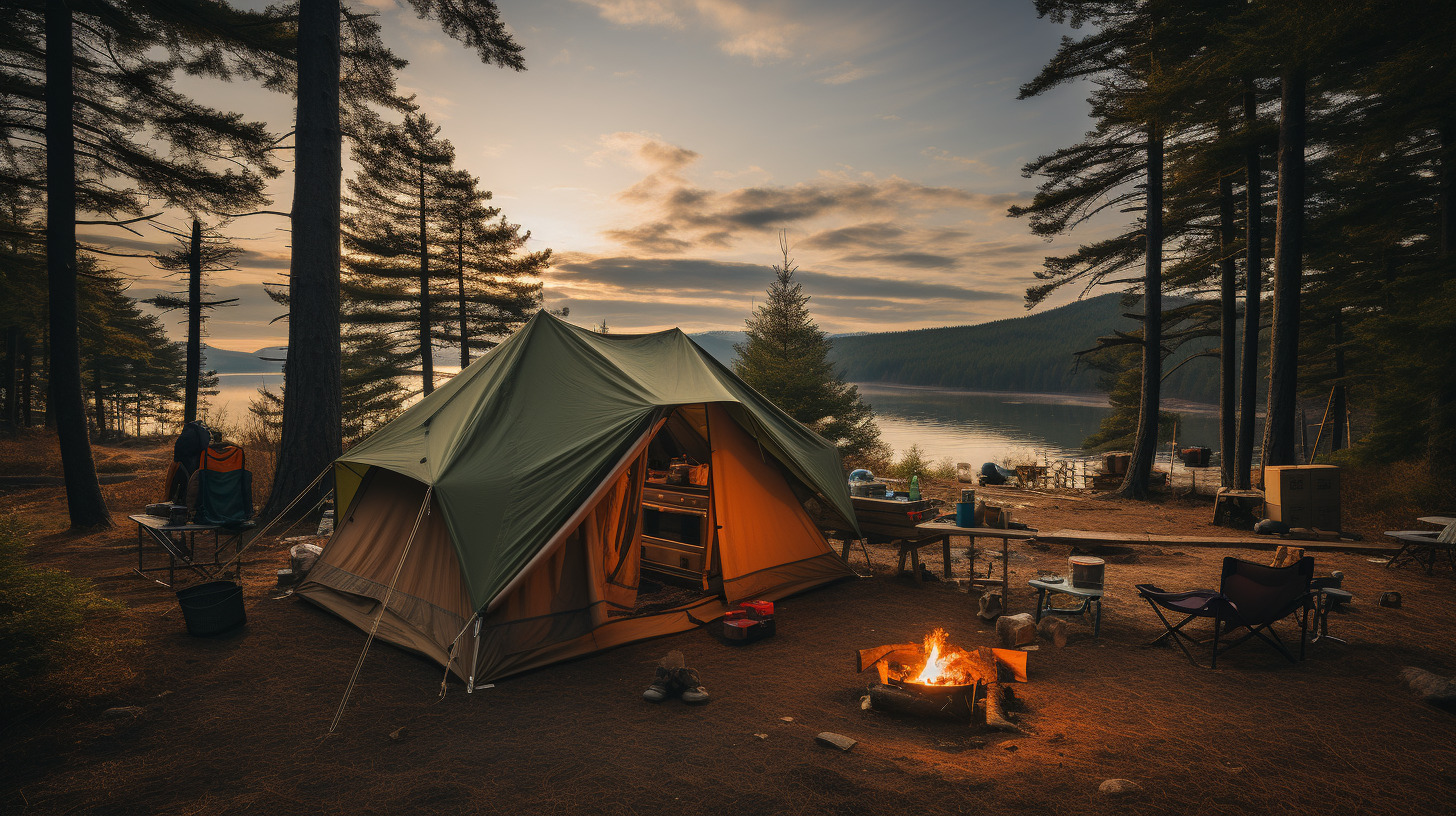
Put Out Fires Completely Before Leaving

It’s essential to put out your campfire completely before leaving your campsite for any reason- whether packing up at the end of your trip or just heading out on a day hike. Ensure no embers are still burning before packing up and moving on – even if you’re just heading out for an hour or two. To put out a fire effectively, pour water over your campfire and stir the ashes until everything is cool.

If you don’t have access to water, you can also use dirt or sand to smother the flames and then stir everything up until it’s cool. Leaving hot embers or partially burning wood in the fire pit can reignite and start a wildfire, an outcome that every responsible camper should aim to avoid.

Recommended Camping Gear

ItemLink
Tent footprint or tarpLink
Family tentLink
Tent stakesLink
Sleeping bagsLink
Camping chairsLink
LanternsLink
Portable stoveLink
CoolerLink
First aid kitLink

Respect Wildlife

Wildlife is one of the most important features of any camping trip. From the birds singing in the trees to the bears that roam the woods, these animals contribute greatly to our camping experience. It is important to respect them and their natural habitat in order to preserve it for future generations.

Observe animals from a distance.

When you see wildlife while camping, getting as close as possible for a better look or a photo opportunity can be tempting. However, it is important to remember that wild animals should always be observed from a safe distance.

Getting too close can agitate them and put you in danger if they feel threatened and attack. Observing them from afar with binoculars or a good zoom lens on your camera will give you a better view without disturbing them.

Store food properly to avoid attracting wildlife

Animals are attracted to food smells and may venture into your campsite looking for something to eat if they detect food odors. This can be dangerous not only for you but also for the animals themselves as they start associating human presence with food and lose their natural fear instinct, leading them into conflict with humans and potential euthanasia by park authorities if deemed necessary for safety reasons. Properly storing your food in bear-resistant containers or hanging it high up on a tree away from your sleeping area will help prevent unwanted visits by wildlife.

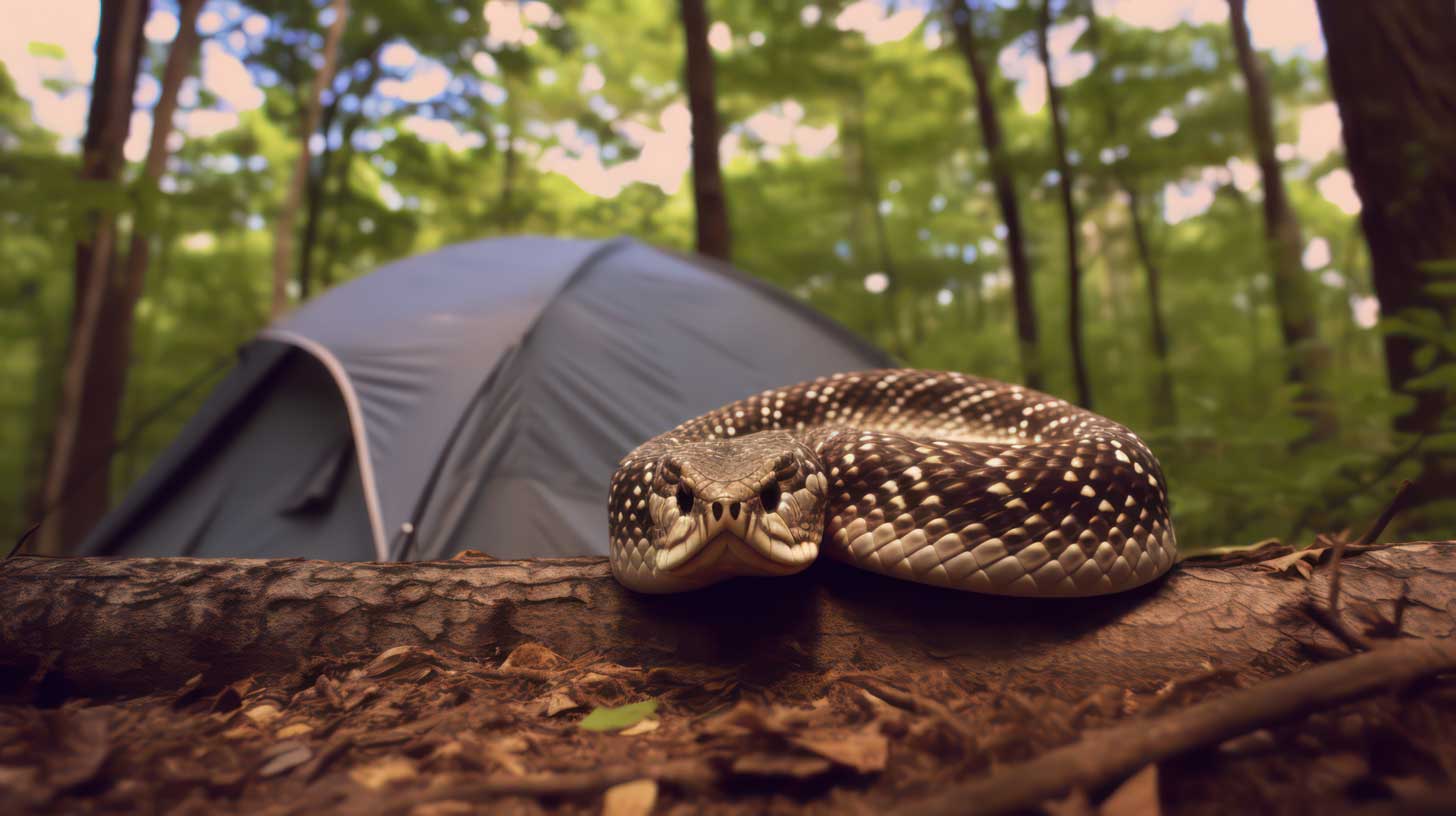
Do not feed wildlife.

Feeding wild animals may seem kind, but it does more harm than good. When humans feed wild animals, they lose their natural ability to find their own food, which makes them dependent on humans instead of nature itself, leading them into conflict with humans over limited resources such as territory or competition with domesticated animal populations such as livestock that overlap with wild animal ranges.

Feeding them also disrupts their natural behavior and can cause health problems if they start eating food unsuitable for their digestive systems. Remember to respect wildlife by keeping your distance and not being tempted to feed them for any reason.
Do not feed wildlife.

Conclusion

Recap of Leave No Trace principles

Now that we’ve covered all the Leave No Trace principles for responsible camping let’s recap quickly. The first principle is to plan ahead and prepare, which means doing your research, packing appropriately, and considering the impact of your group size. The second principle is to travel and camp on durable surfaces, which means sticking to established trails and campsites and avoiding trampling on vegetation.

Thirdly, we have the principle of disposing of waste properly by packing out trash and burying human waste in a cathole. The fourth principle is to leave what you find by not disturbing natural features or artifacts or picking plants or removing rocks.

The fifth principle is minimizing campfire impact by using established fire rings or stoves for cooking and warmth, keeping fires small and manageable, and putting them out completely before leaving. And lastly, the sixth principle is respecting wildlife by observing animals from a distance, storing food properly to avoid attracting wildlife, and not feeding them.

Encouragement to practice responsible camping

Practicing Leave No Trace principles while camping contributes to preserving our natural environment for future generations. Responsible camping not only helps protect wildlife habitats but also ensures that others can enjoy the beauty of nature too. Remember that knowledge about Leave No Trace principles is useless if it’s not applied in real-life situations.

So next time you plan a camping trip with friends or family members, make sure you educate them on these principles as well. By collectively practicing responsible camping habits, we can all do our part in preserving Mother Nature.

This article has inspired you to be more mindful when enjoying the great outdoors by leaving no trace behind. Together we can preserve our natural environment for future generations while still enjoying all that nature offers us today!

Camping Gear Checklist Download

First-Time Camping Tips
Shelter & Sleep System
Camp Kitchen & Food
Camp Cooking Extras
Serving and Tableware
Cleanup
Campfire Tools
Extras and Camping Activities

Campsite Planning

Make sure to plan your campsite location and any additional requirements beforehand to ensure a smooth camping experience.

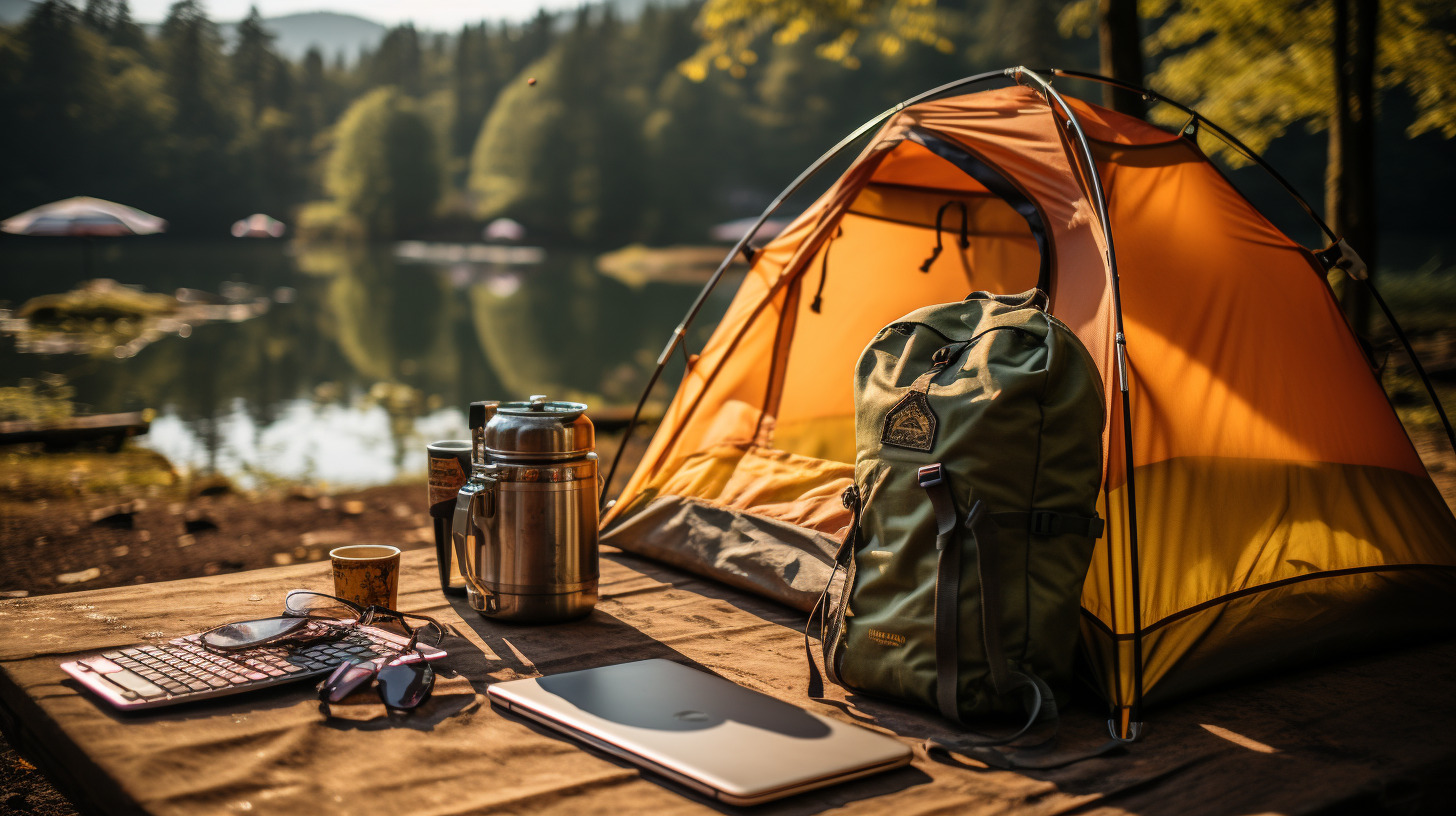
Master the Art of Campsite Organization: Expert Tips and Hacks Inside!

Master the Art of Campsite Organization: Expert Tips and Hacks Inside!

Tips and Hacks for a Stress-Free Camping Experience

Camping is a great way to get away from the hustle and bustle of everyday life and connect with nature. However, it can quickly turn into a stressful experience if you’re not organized.

The last thing you want when you’re supposed to be relaxing is spending hours looking for your camping gear or food. That’s why staying organized while camping is crucial.

Importance of Staying Organized While Camping

Staying organized while camping ensures that you have everything you need at your fingertips, making your time in the great outdoors more enjoyable. By organizing your gear, food, and personal items before leaving for your trip, you’ll be able to reduce stress and anxiety when setting up camp.

Moreover, staying organized helps ensure your safety by minimizing the risk of accidents or injuries that can happen when things are scattered around the campsite. For example, keeping sharp objects out of reach of children can prevent them from getting hurt.

Benefits of Being Organized at the Campsite

Being organized at the campsite has numerous benefits. First off, it saves time and reduces frustration during setup and breakdowns.

When everything has its place in storage containers or hanging on hooks around the campsite, it’s easy to find what you need quickly. Additionally, being organized lets you enjoy more activities without worrying about getting back to camp on time or losing any essential items along the way.

You won’t have to worry about accidentally forgetting something behind either since everything will be packed away in its designated spot. When all is said and done, well-organized campsites are simply more comfortable places to spend time than messy ones – after all, who wants to spend their vacation tripping over clutter?

Campsite Layout

Choosing the right spot for your tent and gear

When setting up camp, it’s important to choose the right spot. Look for an area that is flat, dry, and free of rocks and debris. Avoid pitching your tent on low ground or near water sources where flooding may occur.

It’s also a good idea to consider the direction of the sun when choosing your spot – you don’t want to wake up sweating in the morning because you pitched your tent in direct sunlight! Once you’ve found a suitable location for your tent, think about where you’ll place your gear.

You’ll want to keep things like coolers and extra supplies out of the way so they don’t clutter up your camping area. Consider stacking bins or crates neatly against a tree or tucked under a picnic table.

Setting up a designated cooking area

Cooking at camp can be one of the highlights of your trip, but it can quickly turn into chaos if you’re not organized. Setting up a designated cooking area will help keep things running smoothly. Choose an area with level ground that is close to where you plan to eat and clean up after meals.

Using a portable camping stove rather than an open fire pit will make cooking easier and safer. Consider bringing along a folding table or using the provided picnic table to create some counter space for meal prep.

Creating a space for personal belongings

It’s easy for personal belongings like clothing, shoes, and toiletries to get scattered around camp if there isn’t a designated spot for them. Consider hanging items like towels or hats on hooks attached to nearby trees or keeping them in storage pockets inside your tent. For larger items like backpacks or folding chairs, create a specific spot next to your tent or under cover near other belongings so everything stays together in one location throughout your trip.

Using a tarp or canopy can help create a covered area to store gear that is easily accessible, yet out of sight when not in use. By taking the time to organize your campsite layout, you’ll be able to enjoy your trip without worrying about finding misplaced items or tripping over gear in the middle of the night.

Staying organized

Storage Solutions

Using Plastic Bins or Crates to Organize Gear

When it comes to camping gear, it’s important to keep everything organized and easy to find. One of the best storage solutions for gear is plastic bins or crates. These can be used to store anything from cooking utensils and supplies to extra clothing and shoes.

Look for bins with lids that snap securely shut, as this will protect your gear from rain, dust, and insects. Label each bin with a marker or label maker so you can easily identify what’s inside.

Hanging Items on Hooks or Clotheslines

Another great storage solution for camping is hanging items on hooks or clotheslines. This is especially useful for wet items like towels, swimsuits, and rain jackets.

A simple clothesline strung between two trees can be used to hang these items up so they can dry out in the sun and wind. You can also use hooks attached to a nearby tree or the side of your tent to hang things like lanterns, hats, and bags.

Utilizing Storage Pockets and Compartments in Tents

Most tents come with built-in storage pockets and compartments that are designed to help you stay organized while camping. These pockets are perfect for storing small items like flashlights, phones, keys, and books.

Larger compartments can be used for clothing or sleeping bags. Make sure you take advantage of these built-in features when setting up your tent – they’ll help keep your gear off the ground and within easy reach throughout your trip!

Kitchen Organization

One of the best parts of camping is the food, but it can quickly become a mess if you’re not organized. To avoid this, consider packing your food in labeled containers or bags.

This makes it easier to find what you need when cooking and helps prevent any mix-ups. It also keeps food fresh and protected from pests.

Packing Food in Labeled Containers or Bags

When packing your food, use clear containers or bags with labels so that you can easily see what’s inside. Use reusable containers as much as possible to reduce waste and be eco-friendly. Pack snacks in separate bags so that they are easy to grab on the go without having to dig through other items.

Keeping Cooking Utensils and Supplies in One Place

Avoid searching for utensils or supplies by keeping them all in one place. Consider investing in a portable camping kitchen organizer that has multiple compartments for your cooking tools and equipment. This way, everything will be within reach when needed.

Using a Camping Kitchen Organizer

A camping kitchen organizer is a great investment for avid campers who want to keep their kitchen items organized. It usually comes with multiple pockets and shelves where you can store utensils, pots, pans, dishes, and other cooking equipment.

Some models even have built-in sinks or water reservoirs for easy cleaning. By following these tips, you’ll have an organized campsite kitchen that will make meal prep much more enjoyable!

Recommended Camping Gear

ItemLink
Tent footprint or tarpLink
Family tentLink
Tent stakesLink
Sleeping bagsLink
Camping chairsLink
LanternsLink
Portable stoveLink
CoolerLink
First aid kitLink

Clothing and Personal Items

Packing Clothes in Separate Bags or Packing Cubes

When it comes to packing clothes for a camping trip, it’s essential to stay organized. One way to do this is by packing clothes in separate bags or packing cubes. This method makes it easier to find what you need and eliminates the hassle of digging through a big pile of clothes.

You could pack shirts in one bag, pants in another, and underwear and socks in another. Packing cubes are also great because they compress your clothing, freeing up more space in your backpack or car.

Keeping Personal Items Organized with Hanging Toiletry Bags

It’s important to keep your personal items organized while camping, especially when it comes to toiletries. Using a hanging toiletry bag is a great way to keep all your personal care items in one place while also keeping them off the ground. Many hanging toiletry bags come with plenty of compartments, so you can easily separate items like toothpaste, shampoo, and soap.

Using a Shoe Organizer to Keep Footwear off the Ground

Shoes tend to take up a lot of space at the campsite and can get quite dirty if left on the ground or outside a tent. Using a shoe organizer is an excellent solution for keeping footwear off the ground and organized. A shoe organizer can hang from most tent poles or trees nearby, making it easy to grab your shoes when you need them.

Staying organized while camping may seem like an unnecessary hassle but trust us; it will make your trip more enjoyable overall! With these tips for clothing and personal item organization, you’ll be able to spend less time rummaging through piles of gear and more time enjoying nature with ease!

Miscellaneous Tips and Hacks

Creating an Outdoor Hand Washing Station

One of the most important things you can do to stay healthy while camping is to keep your hands clean. But when you’re out in the wilderness, finding a sink or bathroom isn’t always easy. That’s where an outdoor hand washing station comes in handy.

All you need is a water jug with a spigot, some soap, and a towel. Hang the jug from a tree or post, and place a bucket underneath to catch the runoff water.

Voila! You now have an easy way to wash your hands whenever you need to.

Using Glow Sticks to Mark Pathways at Night

Camping at night can be both exciting and intimidating – especially if you need to make your way back to your tent through unfamiliar territory. One simple solution is to use glow sticks to mark pathways around your campsite.

Simply snap them open and place them along the ground like breadcrumbs. They’ll provide just enough light for you to see where you’re going without disturbing other campers.

Storing Matches in a Waterproof Container

Starting a fire is an essential part of camping, but it can be tough if your matches are wet from rain or dew. To avoid this problem, store your matches in a waterproof container – like an old pill bottle or small plastic bag – so they stay dry until you’re ready to use them. You can even add some sandpaper or strike-anywhere matches inside the container for added convenience.

These miscellaneous tips and hacks may seem small but they can truly make all the difference when it comes down camping preparation and execution. These items — outdoor hand washing station, glow sticks markers and waterproof match containers — are easy enough additions that will maximize comfortability while camping out in nature’s backyard!

The Art of Pitching: Step-by-step Guide

Conclusion

Recap of tips and hacks for campsite organization

Congratulations, you’ve made it to the end of our article! Let’s take a moment to review the tips and hacks we’ve covered for staying organized at your campsite. First, we discussed the importance of choosing the right spot for your tent and gear.

Next, we talked about using storage solutions like plastic bins or crates, hanging items on hooks or clotheslines, and utilizing storage pockets and compartments in tents. We also gave advice on how to organize your kitchen supplies, clothing, personal items, and miscellaneous gear.

Encouragement to stay organized on future camping trips

Remember that staying organized will make your camping trip much more enjoyable. By putting these tips into practice, you’ll be able to easily find what you need when you need it – whether it’s cooking utensils or a clean shirt. You’ll save time and reduce stress by having everything neatly organized within reach.

Plus, by keeping your campsite tidy, you’ll minimize the chances of losing something important or attracting unwanted animals. So go ahead – try out some of these organization tips on your next camping trip!

Not only will you impress your fellow campers with your organization skills, but you’ll also have a more relaxing time in nature knowing that everything is in its place. Happy camping!

Camping Gear Checklist Download

First-Time Camping Tips
Shelter & Sleep System
Camp Kitchen & Food
Camp Cooking Extras
Serving and Tableware
Cleanup
Campfire Tools
Extras and Camping Activities

Campsite Planning

Make sure to plan your campsite location and any additional requirements beforehand to ensure a smooth camping experience.

Secrets of Building a Campfire Revealed: Impress Your Friends!

Secrets of Building a Campfire Revealed: Impress Your Friends!

The Allure of a Campfire

Oh, the crackling symphony of the flames, the warm and cozy feeling it wraps around your body, and the mesmerizing dance of light – it’s pure magic, people.

A campfire is where we gather ’round with our fabulous friends and family to share juicy stories, belt out show-stopping tunes, and toast those marshmallows to perfection. Man, it’s the ultimate place to let loose, relax, and connect with the great outdoors.

There’s something primal about it. You can just feel it deep down in your bones – a connection to our ancient roots, darling. Humans have been drawn to these fiery gatherings for centuries, and who can blame us? Fire’s got that fierce power and undeniable beauty that simply captivates us.

But let me tell you, loves, if you want to truly master the art of building a campfire, you’ve got to know the ropes! It’s not just about tossing some logs together, oh no, guys. You need a little finesse, a little know-how, and a dash of pizzazz to make that campfire truly sizzle and shine!

The Importance of Building a Safe and Efficient Fire

As much as we love campfires, we mustn’t forget that they can be dangerous if not handled properly. A poorly built fire can quickly get out of control and cause serious damage to people or property. That’s why it’s essential to learn how to build a safe and efficient fire.

A safe fire starts with selecting the right location for your fire pit. You want to choose an area away from anything flammable like trees or bushes, but close enough to your camping site so you can enjoy the warmth and ambiance.

Once you’ve found the perfect spot, you need to prepare your materials carefully. Selecting the right wood is critical for building an efficient fire.

You want dry wood that will burn easily without producing too much smoke or sparks. Softwoods like pine or cedar are good options for kindling and tinder since they ignite quickly but don’t burn long enough as larger logs would do.

,kindling and tinder are essential elements in building an efficient fire: Kindling consists of small sticks or twigs; Tinder includes smaller items such as dry leaves or bark shavings. Both materials are essential to creating the perfect fire.

There’s nothing quite like a campfire. It’s where memories are made, friendships are forged, and stories are told.

But as much as we enjoy them, we must always remember to build them safely and efficiently to avoid any accidents or risks. So gather your materials and get ready to master the flames!

Gathering Materials

Finding the Right Location for Your Fire Pit

The first step in building a campfire like a pro is to find the perfect location for your fire pit. This may seem like common sense, but you’d be surprised at how many people fail to consider this crucial step. The ideal location should be flat and dry, away from any overhanging branches or nearby bushes that could catch fire.

If possible, choose an area with a natural windbreak to prevent gusts from spreading the flames. Another important consideration is proximity to water sources.

In case of emergencies, you want to be able to put out your fire quickly and easily. Make sure there’s a lake or river nearby that you can access easily in case of accidents.

Selecting the Right Wood for Your Fire

There are few things more frustrating than trying to build a fire with damp wood that refuses to light. To avoid this problem, select only dry wood for your campfire.

Deadfall or logs found on the ground are ideal since they’ve had time to dry out naturally. When selecting wood, look for hardwoods such as oak, hickory, or maple.

These woods burn slowly and produce long-lasting coals that are perfect for cooking food over an open flame. Avoid softwoods like pine or spruce since they contain high levels of resin that can cause popping and crackling as well as create sparks that can ignite nearby objects.

Gathering Kindling and Tinder

Now that you have the right location and wood selected for your campfire, it’s time to gather kindling and tinder. Kindling refers to small sticks or twigs that will help ignite your larger logs while tinder consists of small materials such as leaves, paper or cotton balls used to light the kindling itself.

Look for dried leaves or grasses under trees which have died and fallen to the ground as they make for excellent tinder. As for kindling, small branches or twigs that snap easily when bent are ideal for starting your fire.

Remember to collect enough kindling and tinder before starting the fire. It’s much easier to start a fire with a large amount of dry materials close at hand than it is to scrounge around as the flames begin to die down.

The Bottom Line

Gathering materials is an important step in building a successful campfire. Take your time selecting a safe location, and be sure to choose dry wood that burns efficiently without emitting too much smoke. Gathering enough kindling and tinder will ensure that you can get your fire started quickly and keep it burning throughout the evening.

Building the Fire Pit

Campfires are a quintessential part of any outdoor experience. However, building a campfire is not just about tossing some wood into a hole and lighting it on fire.

One of the most important aspects of building a safe and efficient campfire is creating an appropriate fire pit. A proper fire pit provides crucial containment for the flames and helps prevent wildfires, which can cause massive damage to the environment and put lives at risk.

The first step in building your campfire pit is selecting the right location. You want to choose a spot that’s far away from any potentially flammable materials, like dry brush or overhanging trees.

It’s also crucial to check for any regulations or restrictions regarding fires in your area before you start digging. Once you’ve found your ideal location, it’s time to dig out your fire pit.

The size of your pit should depend on how big you want your fire to be, but as a general rule of thumb, aim for around three feet wide by one foot deep. Digging deeper than one foot can actually hinder airflow which is essential for optimal burning.

Lining the Pit with Rocks or Bricks

To further contain your flames and prevent them from spreading beyond their designated area, lining your fire pit with rocks or bricks is important. Not only does this provide additional safety measures but also minimizes heat loss by reflecting heat back onto the fuel source.

It’s recommended that you choose stones that are natural rather than those treated with chemicals like concrete blocks because they release toxins when heated up which are not suitable for inhaling. When adding rocks or bricks into holes caution must be taken because placing too many bricks can make it challenging to start and control airflow while leaving gaps between bricks will make it difficult to light up.

Creating Airflow for Optimal Burning

To ensure that your campfire burns brightly and cleanly, creating airflow is essential. Oxygen is fuel for a fire, and without proper airflow, your flames can lose momentum or flicker out altogether.

To create optimal airflow, it’s critical to create a draft in the pit by piling rocks or bricks around the perimeter of the hole and adding some space between them. This creates a chimney effect that helps suck in air from below to keep your fire burning strong.

However, avoid building too high walls because they may block off natural winds that provide oxygen. It’s also important to consider wind direction when building a campfire.

Be sure to position yourself upwind of the fire so that smoke doesn’t blow directly into your face! Building a safe and efficient campfire pit requires time, effort, and attention to detail; but the rewards are well worth it when you’re sitting around the fire with friends and family, enjoying the beautiful outdoor scenery while roasting marshmallows.

Teepee Method

The Teepee Method

Creating a cone-shaped structure with kindling and tinder

Ah, the Teepee method. Perhaps one of the most iconic ways to start a fire, this technique calls for building a cone-shaped structure by leaning kindling and twigs against each other around a center point.

This helps to create a small area of concentrated heat which ignites the tinder at the base of your teepee-like structure. It’s important to ensure that your teepee is constructed with dry wood, as moisture can dampen your fire before it has even started.

Additionally, try to use small pieces of wood for your kindling in order to make it easier for them to catch fire. For those who are camping in particularly windy conditions, building a teepee can be a great option as it helps you control airflow – just remember that wind can also spread embers quickly if precautions aren’t taken.

Be sure to add larger pieces of wood as your fire grows but be careful not to suffocate it by adding too much at once! Proper airflow is key here.

The Log Cabin Method

If you’re looking for an alternative method for building your fire that’s both practical and visually appealing, then look no further than the log cabin technique. This involves stacking alternating layers of kindling and larger pieces of wood in a square or rectangle shape – similar to how you would build logs when constructing an actual cabin.

While not as aesthetically pleasing as the teepee method in my opinion, I still find it more practical as it offers more stability for cooking over an open flame due to its flat surface area. One thing many people might not consider when using this method is how they place their kindling on top.

If you stack all the logs horizontally on top of each other then you will have poor airflow which will lead to a weak fire. Instead, it’s important to stack your kindling vertically, so that it acts like chimney which allows the air to flow through the logs and produce a vibrant flame!

Don’t forget to add smaller sticks and twigs on top of your structure to ignite the fire! They will serve as the foundation for all your effort and hard work.

Recommended Camping Gear

ItemLink
Tent footprint or tarpLink
Family tentLink
Tent stakesLink
Sleeping bagsLink
Camping chairsLink
LanternsLink
Portable stoveLink
CoolerLink
First aid kitLink

Maintaining Your Fire

Controlling Airflow: The Key to a Perfect Fire

Building a campfire is just half the battle; maintaining it is the other. A crucial factor to consider in fire maintenance is airflow. Proper airflow will keep your blaze alive and burning consistently, while lack of oxygen supply can mean it dies down quickly or never ignites at all.

Adjusting logs in your pit will allow oxygen to flow through the flames, and you don’t want to let that happen too much or too little. Finding the sweet spot means controlling airflow but not suffocating the fire.

Using Tools Like Bellows or Fans to Increase Airflow When Needed

There are times when you’ll need to manipulate the airflow either way, and that’s where tools like bellows and fans come into play. They allow you to control how much air reaches your burning logs, which ultimately determines how hot it burns. You may need those tools more often if there’s a wind blowing from one side of your pit.

Adding Wood Properly: Placing Logs Perpendicular for Optimal Burning

When adding wood as your fire burns out, remember that placement matters! Logs placed parallel can block proper airflow, limit oxygen supply to the flame below them, and impede their own combustion. Instead of adding new logs parallel with previous ones, place each log perpendicular across two or three others in your fire pit—the ideal way for optimal burning.

Extinguishing Your Fire Safely: Pouring Water Over Embers Until They’re Cool

As important as building a good campfire is making sure you put it out safely once you’re done with it. Don’t ever leave an unattended fire smoldering away—winds change direction without warning! The only guaranteed way of extinguishing a campfire is by pouring water over the embers until they are cool to the touch.

Better yet, make sure you leave your campsite with no sign of fire. A good campfire builder always leaves a clean and safe camping ground long after they’re gone.

The Art of Pitching: Step-by-step Guide

Conclusion

Mastering the art of building and maintaining a campfire requires both skill and patience, but it’s worth it when the flames finally leap up in dazzling tongues of heat. To build a perfect fire, you’ll need to pay attention to detail, from gathering materials, selecting wood and kindling to adjusting logs to allow oxygen flow through them while controlling airflow.

Most importantly, remember that safety comes first. Always extinguish your fire safely before leaving— and leave no trace!

With enough practice and determination, anyone can master the flames like a pro. Happy camping!

Camping Gear Checklist Download

First-Time Camping Tips
Shelter & Sleep System
Camp Kitchen & Food
Camp Cooking Extras
Serving and Tableware
Cleanup
Campfire Tools
Extras and Camping Activities

Campsite Planning

Make sure to plan your campsite location and any additional requirements beforehand to ensure a smooth camping experience.

Pitch Perfect: Your Ultimate Guide to Setting Up a Tent

Pitch Perfect: Your Ultimate Guide to Setting Up a Tent

The Importance of Setting up a Tent Correctly

Camping is one of the most popular outdoor activities enjoyed by people all around the world. There’s nothing quite like being surrounded by nature, breathing in fresh air, and having a break from hectic city life.

However, this idyllic experience can quickly turn sour if you haven’t set up your tent correctly. A poorly pitched tent can result in a miserable night’s sleep, leaving you exhausted and irritable for the rest of your camping trip.

That’s why it’s so important to get it right when setting up your tent. Imagine this scenario: You’re out on a camping trip with friends or family, excited to spend some quality time together in the great outdoors.

After a long day of hiking and exploring, everyone is tired and ready for bed. But then you realize that your tent is pitched on uneven ground with no protection from the wind or rain; it’s barely standing upright!

The flapping noise kept everyone awake all night long, and now everyone is cranky and sore from sleeping on rocks. This experience could have been avoided if only you had set up your tent correctly.

The Importance of Setting up a Tent Correctly

Benefits of Camping

Camping offers an endless number of benefits that make it such a popular activity worldwide. First off, camping allows us to disconnect from our digital devices and connect with nature instead.

It gives us an opportunity to slow down our pace of life while enjoying time with loved ones or alone. Being outside also provides numerous health benefits such as boosting Vitamin D intake from sunlight exposure which strengthens bones and teeth while elevating mood levels – reducing risks associated with depression or anxiety disorders.

Not only does camping improve mental health but physical health as well! While camping one may engage in outdoor activities like hiking or swimming which provide great cardiovascular workouts and help in reducing stress by releasing endorphins.

Setting up a Tent: Making or Breaking a Camping Trip

Setting up a tent is not just about providing shelter; it’s about creating an environment that promotes restful sleep, relaxation, and rejuvenation. A well-pitched tent can be your sanctuary away from the hustle-bustle of daily life, while a poorly setup tent could ruin your entire camping trip. It’s essential to pitch your tent correctly to avoid discomfort and ensure you get the most out of your camping experience.

In this article, we will discuss everything you need to know about pitching a tent correctly. We will cover choosing the right type of tent for your needs, finding the perfect spot to set up camp, and providing step-by-step instructions on how to pitch your tent correctly.

By following these guidelines, you can enjoy all the benefits of camping without any unnecessary discomfort or stress. So let’s dive in!

YETI Roadie 24 Coolerhttps://amzn.to/3PV9n4N
Arctic Zone Titan Deep Freeze Coolerhttps://amzn.to/44sLHcf
Igloo Heavy-Duty 25 Qt BMX Ice Chest Coolerhttps://amzn.to/3OgflMl
Igloo BMX 52 Quart Cooler with Cool Riser Technologyhttps://amzn.to/3XVwPR7
SPARTER Backpack Cooler Insulated Leak Proof 33/49 Canshttps://amzn.to/44QInrn


The Basics: Choosing the Right Tent

Types of Tents

Let’s face it, with so many types of tents available on the market, it can be overwhelming to choose one. However, it all comes down to where you will be camping and how many people will be staying in the tent. Two popular types of tents are backpacking and car camping tents.

Backpacking tents are lightweight and easy to carry, making them perfect for hiking or trekking trips. On the other hand, car camping tents are usually larger and heavier but offer more comfort and space.

Another type is a family tent which offers plenty of space for a family trip with several rooms that can accommodate multiple people at once. There are also dome tents which come in various sizes and shapes but are relatively easy to assemble.

Factors to Consider When Choosing a Tent

Choosing the right tent is crucial for a successful camping trip. You don’t want your tent falling apart in the middle of the night or leaving you exposed during a rainstorm.

Therefore, there are some factors you should consider before making your purchase. Size should always be top priority when selecting a tent since you don’t want to end up cramped inside while sleeping or relaxing.

The size also determines how much gear you can store inside the tent with you. Weight is another critical factor that directly affects your mobility during your camping adventure.

Going too heavy means carrying more weight than necessary while going too light may not provide adequate shelter against extreme weather conditions like wind or rain. Material used in manufacturing the tent plays an essential role as well since it affects durability as well as comfort level inside depending on weather conditions outside.

Weather resistance is another key consideration when choosing your tent as this ensures that you stay safe and dry throughout different seasons of outdoor activities. Choosing an appropriate tent shouldn’t be complicated if one considers factors like size, weight, material, and weather resistance.

These factors will help you make an informed decision about the right tent for your camping needs. Remember that investing in a high-quality tent is crucial for a successful and enjoyable camping trip.

The Importance of Location

When it comes to setting up a tent, the location is everything. Finding the right spot can make all the difference in ensuring you have a comfortable night’s sleep, while choosing a bad one can lead to an uncomfortable and frustrating trip. That’s why it’s crucial to take the time to find an ideal location before pitching your tent.

The first factor to consider when selecting an area for your tent is level ground. This may seem obvious, but you’d be surprised how many novice campers set up their tents on uneven ground.

Not only does this make for an uncomfortable sleeping surface, but it can also result in water pooling around your tent in case of rain, causing even more discomfort. So take the time to scout out a flat and even surface before setting up your camping gear.

Water Sources and Weather Protection

Another important factor to consider when choosing a location for your tent is proximity to water sources. While it may be tempting to pitch your tent near a beautiful lake or stream, keep in mind that being too close can put you at risk of flooding if the water levels rise due to heavy rain or other natural events. On the other hand, being too far away from a reliable water source can be inconvenient and potentially dangerous if you run out of water during your trip.

In addition, it’s important to choose a location that offers protection from wind and rain. The last thing you want is for strong gusts of wind or heavy rain to ruin your camping experience by making it impossible for you to sleep comfortably.

Look for areas with natural windbreakers such as trees or rock formations that can help shield your tent from strong winds. You’ll also want to ensure that there are no low-lying areas nearby where water might collect during rainfall.

Overall, finding the perfect spot for pitching your tent takes some effort and consideration, but the payoff is well worth it. By taking the time to scout out a level and dry area with proximity to water sources and natural windbreakers, you’ll be setting yourself up for a comfortable and enjoyable camping experience – and that’s what it’s all about, isn’t it?

Recommended Camping Gear

ItemLink
Tent footprint or tarpLink
Family tentLink
Tent stakesLink
Sleeping bagsLink
Camping chairsLink
LanternsLink
Portable stoveLink
CoolerLink
First aid kitLink

The Art of Pitching: Step-by-step Guide

Lay Out Your Groundsheet

First things first, it’s important to lay out your groundsheet before starting anything. This will not only protect the bottom of your tent from damage but also help you map out the perfect spot for pitching. Make sure to clear any sharp rocks or sticks from the area and ensure that there aren’t any steep inclines or drops nearby.

Once you’ve found a flat and level spot, lay down your groundsheet and stake it in place. This will help prevent it from shifting as you pitch your tent.

Assembling Poles, Attaching Guy Lines and Pegs, and Securing Rainfly

With your groundsheet in place, it’s time to assemble the poles for your tent. Most tents come with color-coded poles that correspond to different sections of the tent.

Make sure to take note of which pole is which before getting started. Once you’ve assembled the poles correctly, slide them through the corresponding sleeves on your tent body and attach them to the grommets at each corner.

Next up are the guy lines and pegs which are crucial for stabilizing your tent in windy conditions. Attach each guy line to its corresponding loop on the flysheet and then anchor them down using pegs pushed deep into the ground at a 45-degree angle away from where they’re tied off on the fly.

Make sure to secure your rainfly over top of everything once it’s all set up properly! The last thing anyone wants is for rain water or condensation to seep through their shelter while they’re trying to sleep.

The Art of Pitching: Step-by-step Guide

Conclusion

Setting up a tent is a crucial part of any camping trip – but don’t let it intimidate you! By following these basic steps outlined above, you’ll be well on your way to a successful and comfortable night’s sleep out in the wilderness. Remember, the joy of camping comes from being immersed in nature and spending quality time with loved ones.

Even if things don’t go perfectly according to plan, it’s important to keep a positive attitude and enjoy the experience for what it is. So go out there, pitch that tent confidently, and have a great time!

Camping Gear Checklist Download

First-Time Camping Tips
Shelter & Sleep System
Camp Kitchen & Food
Camp Cooking Extras
Serving and Tableware
Cleanup
Campfire Tools
Extras and Camping Activities

Campsite Planning

Make sure to plan your campsite location and any additional requirements beforehand to ensure a smooth camping experience.

From Novice to Pro: Expert Tips for Picking the Perfect Campsite

From Novice to Pro: Expert Tips for Picking the Perfect Campsite

Find Your Perfect Campsite

Camping can be one of the best ways to escape the hustle and bustle of daily life, and enjoy some peace and quiet in nature. But, choosing the right campsite can make or break your camping experience.

The last thing you want is to end up in a noisy, rocky site that doesn’t suit your needs. There are many factors that go into selecting the perfect campsite for your trip.

You’ll want to consider location, terrain, amenities, wildlife awareness, weather conditions and personal preferences. By taking the time to carefully evaluate each of these elements before setting up camp, you can ensure a comfortable and enjoyable stay in the great outdoors.

the perfect campsite

The Importance Of Choosing The Right Campsite

Choosing a good campsite is critical for a successful camping trip! Your campsite will be like a home away from home during your stay in nature. And just like with any real estate decision, location matters!

Will you be close enough to water sources or trails? What about proximity to other campsites?

Is there good tree cover or shelter from wind? All these questions are important considerations when choosing your spot.

Your experience will also depend heavily on what facilities are available at your chosen campsite; For example – restrooms and showers may be critical if you’re planning on being out for extended periods of time without access to modern hygiene facilities! And if you’re traveling with an RV or plan on using electrical appliances during your stay – it’s important to check whether electrical hookups are available at the site you’re considering.

An Overview Of What To Consider When Selecting A Campsite

Selecting a great site takes time – start by researching potential sites online where possible before arriving so that you have an idea of what’s available and what you need to bring. Make sure to do your research on the different options available, and consider your own needs, preferences and priorities before making a decision.

When looking at campsites, it’s important to evaluate factors such as weather & terrain that will affect your camping experience. For example, flat ground is critical when it comes to setting up tents or sleeping arrangements; And while scenic views may be nice – privacy may be more important if you’re traveling with family or friends.

We’ll dive deeper into all these factors in the next few sections of this article – so get ready for some great tips on how to find your the perfect campsite! Remember – taking care with site selection can make all the difference between a successful camping trip versus a terrible one!

YETI Roadie 24 Coolerhttps://amzn.to/3PV9n4N
Arctic Zone Titan Deep Freeze Coolerhttps://amzn.to/44sLHcf
Igloo Heavy-Duty 25 Qt BMX Ice Chest Coolerhttps://amzn.to/3OgflMl
Igloo BMX 52 Quart Cooler with Cool Riser Technologyhttps://amzn.to/3XVwPR7
SPARTER Backpack Cooler Insulated Leak Proof 33/49 Canshttps://amzn.to/44QInrn


Location, Location, Location

Proximity to Water Sources and Trails: The Lifeline of Your Campsite

When choosing a campsite, one of the most important factors to consider is proximity to water sources and trails. Access to water is essential for cooking, drinking, cleaning up after meals or activities and staying hydrated in general. A nearby stream or lake can provide a peaceful setting and great views.

It also means less work carrying water back and forth from long distances. Trails are the gateway to adventure when camping.

They offer opportunities for hiking, mountain biking, fishing or just exploring the surrounding nature. Choosing a campsite near trails you want to explore will save time and ensure that you get the most out of your camping trip.

Distance from Other Campsites and Noise Level: Respect Your Neighbors

The distance between campsites will determine how much privacy you have during your stay as well as how much noise you may experience from neighboring campsites. If privacy is important for your group then choose a site that has enough distance between it and other campsites. This will give you some alone time but also help with noise control.

Campgrounds can be noisy places with people talking loudly, playing music or generators running at all times of day or night. Consider how noise travels through the campground before selecting your site by choosing areas farther away from these sources if they annoy you.

Exposure to Sun, Wind, and Shade: Find Your Comfort Zone

Exposure to sun, wind and shade is another factor when selecting the perfect campsite. Sunlight provides warmth but can also make it too hot during daytime hours without shade protection in some climates where temperatures rise rapidly throughout the day.

Wind can create an uncomfortable living situation if not protected by natural barriers like trees or rocks nearby which block against strong gusts of wind. Conversely, a campsite that is too sheltered may be humid and stuffy.

Shade can be a life saver during hot summer months by creating comfortable living conditions, but it is important to make sure you are not camping under dangerous dead trees or other hazards. When looking at potential campsites, consider the time of day and how much sunlight will be available over the course of your visit.

Terrain Matters

Flat ground for sleeping arrangements

Choosing a campsite with flat ground is crucial for a good night’s sleep. Sleeping on uneven ground will cause discomfort and can even lead to injuries.

Make sure to scout the campsite before setting up your tent and look for any bumps, rocks, or roots that can cause unevenness. If you cannot find a completely flat spot, level it out by moving rocks or digging small holes to fill in bigger bumps.

Avoiding areas prone to flooding or rock slides

When choosing a campsite, it’s important to avoid any areas that are prone to flooding or rock slides. These natural disasters can be life-threatening and can ruin your camping trip. Look for signs of erosion on hillsides and avoid setting up camp near dry riverbeds or low lying areas that may flood during heavy rainfalls.

Consideration for accessibility needs

If you have accessibility needs, choosing the right terrain is crucial. Look for campsites with level access trails and accessible amenities such as restrooms and showers.

Consider the distance from your vehicle to the campsite as well as the width of trails leading into the site if you are using mobility aids such as wheelchairs.

Camping with kids? Choose soft grass! If you’re camping with kids, choosing soft grassy terrain is ideal since they’ll be running around all day! 

Opting for campsites with large open fields nearby may be perfect so kids and adults can run freely without worrying about tripping over tree roots or rocks while playing games like frisbee or volleyball. 

When it comes to terrain matters at campsites, finding flat ground is essential for good sleep while avoiding potential hazards like flooding is vital for safety purposes. 

If you have accessibility needs when camping, choose a site with level trails and accessible amenities. If you’re camping with kids, finding soft grassy terrain and open fields is a great way to create a safe environment for them to run freely.

Recommended Camping Gear

ItemLink
Tent footprint or tarpLink
Family tentLink
Tent stakesLink
Sleeping bagsLink
Camping chairsLink
LanternsLink
Portable stoveLink
CoolerLink
First aid kitLink
Amenities and Facilities

Amenities and Facilities

Availability of Restrooms and Showers

When selecting the perfect campsite, it’s important to take into consideration the availability of restroom and shower facilities.

Some campsites offer full-service restrooms with showers, while others may only have port-a-potties or no restrooms at all. If you’re planning on being at the campsite for an extended period of time or have a larger group, having access to clean restrooms can make the experience much more enjoyable.

If you’re camping in a remote area with limited facilities, consider bringing along your own portable toilet or shower equipment. These items can be purchased at most outdoor retailers and provide convenience and privacy for your camping experience.

Access to Fire Pits or Grills

Cooking over an open fire is one of the joys of camping. When selecting a campsite, look for sites that offer access to fire pits or grills if cooking outdoors is important to you. Some campsites allow campfires anywhere on site, while others may only allow fires within designated areas due to safety concerns.

Even if fire pits aren’t available at your chosen campsite, many portable grills are available that can be used in their place. Make sure to research any local regulations regarding open fires before arriving so you know what equipment you’ll need.

Electrical Hookups for RVs

If you plan on camping in an RV or other vehicle equipped with electrical outlets or appliances, look for campsites that offer electrical hookups.

Electrical hookups allow RV owners to use air conditioning units, charge phones and laptops, and power other electronic devices during their stay.

Not all campsites offer electrical hookups so it’s important to check beforehand if this is a feature that you require during your trip. 


Do Dogs attract bears?

Wildlife Awareness

Avoiding areas with frequent animal sightings or aggressive wildlife

When it comes to choosing your perfect campsite, safety should always be a priority. While it may seem exciting to camp in an area where you might see some wildlife, it is crucial to research and avoid campsites that have a high frequency of animal sightings, especially if they involve aggressive animals.

The last thing you want is to accidentally stumble upon a bear’s den or come face-to-face with a hungry coyote. To minimize the risk of encountering dangerous animals, make sure to check the park’s website or talk to rangers before selecting a campground.

They will usually have up-to-date information on recent animal activity in the area and offer advice about which campsites are safer than others.

Remember that animals like bears have an excellent sense of smell, so always store food and other scented items properly.

Proper food storage techniques

Speaking of storing food properly, this is one of the most important things you can do when camping in areas where wildlife may be present.

Food attracts animals, so keeping your meals secure will help prevent unwanted visitors from wandering into your campsite. To store food safely while camping in bear country, invest in bear-resistant canisters that are designed to keep your food out of reach from curious bears and other wildlife.

Some parks may require bear-resistant containers for all campers staying overnight; others may provide them for rent. If you’re not camping in bear country but still want to keep wildlife at bay, use odor-proof bags or containers for storing food and dispose of any scraps properly away from your campsite.

Keep garbage sealed tightly as well because even small animals like raccoons can wreak havoc on an unsecured trash bag.

While encountering some friendly forest creatures might add excitement to your camping trip, we recommend avoiding areas with frequent animal sightings or aggressive wildlife.

Keep your food stored properly and dispose of scraps away from your campsite to reduce the risk of attracting animals to your area.

Safety should always be a top priority when camping, so make sure you are aware of the wildlife that inhabits your chosen campground before setting up camp.

Best backpacking tents on a budget

Weather Conditions

Preparation for potential storms or extreme temperatures

When it comes to camping, you always have to be ready for the unexpected. Weather is one of those things that can easily ruin a good camping trip if you’re not prepared.

Before heading out on your trip, make sure to check the weather forecast for your camping location and surrounding areas. This will give you an idea of what kind of climate and temperature changes you can expect during your stay.

One way to prepare for potential storms is by bringing a good quality tent that can withstand heavy rain and strong winds. Make sure all parts are assembled correctly before heading out on your trip, so you don’t get caught in the middle of a storm with a broken shelter.

If you’re camping during the summer months, make sure to bring lightweight clothing that can breathe well and protect you from the sun.

If you’re going winter camping, bring warm clothing like insulated jackets and thermal pants that will keep you comfortable while sleeping.

Choosing the perfect campsite that offers protection from harsh weather conditions

Choosing the right campsite location can make a huge difference when it comes to staying dry during rainy weather or cool during hot days. When selecting your spot, look for natural shelter options like trees or hillsides that will help block wind and provide shade from direct sunlight. If natural shelter options aren’t available at your chosen campsite location, consider setting up tarps or shelters using poles and ropes to create additional protective barriers around your tent area.

These structures not only provide shade but also help break up strong winds that could otherwise damage tents or make sleeping uncomfortable. Another thing to consider when choosing the perfect campsite based on weather conditions is proximity to water sources like rivers or lakes.

These bodies of water can help regulate temperatures, making it cooler during hot days and warmer during cold nights. Plus, they can provide a source of drinking water if you need to refill your supply.

Overall, being prepared for any kind of weather condition when camping is essential to enjoying your trip. By following these tips and choosing the right campsite location, you’ll be able to stay comfortable no matter what Mother Nature throws your way.

Personal Preferences

When it comes to choosing the perfect campsite, personal preferences and individual needs play an important role. Some people prefer a stunning view of the landscapes, while others value privacy and seclusion.

You should also consider the activities that you have planned for your trip and whether the campsite can accommodate them. For instance, if you are planning on hiking or fishing, ensure that your chosen site is near a trail or water source.

Scenic Views or Privacy Preferences

If you’re looking for stunning views of nature as part of your camping experience, you’ll want to choose the perfect campsite with an unobstructed view of mountains, lakes, or other natural features. These sites are usually located in more open areas but may be less private. On the other hand, if you prefer privacy and restful surroundings away from other campers’ noise levels, choose a site that is tucked away from walking paths or activity areas.

Another option is to select a site that offers both scenic views and privacy preferences. Such sites may be more challenging to find because they are in high demand among campers.

Consideration for Group Size

It’s advisable to think about group size when selecting your perfect camping site. If your group is large (say 6-10 people), then it’s crucial to choose larger campsites with ample space for everyone to pitch their tents comfortably.

On the other hand, if you’re camping alone or with just one partner/friend then smaller sites will suffice. Still, ensure they offer enough space for sleeping arrangements plus any activities planned during your stay.

Activities Planned

The best way to enjoy any camping trip is through engaging in outdoor activities such as hiking, swimming in nearby lakes/rivers/ocean beaches and kayaking among others depending on location suitability. If there’s something specific that you have in mind, like fishing, ensure the campsite is near a suitable location.

If you’re looking to do some hiking, choose a site close to trailheads. Remember, not all campsites offer access to certain activities like rock climbing or zip-lining.

Choosing the perfect camping spot involves considering many factors such as your preferences for privacy and scenic views as well as group size and planned activities. With these considerations in mind, you can find the perfect spot for a memorable camping experience.

top 10 camping hammocks

Conclusion

Choosing the perfect campsite for your camping adventure can make all the difference in your experience. By considering factors such as location, terrain, amenities, wildlife awareness, weather conditions, and personal preferences, you can find a campsite that meets your needs and allows you to fully enjoy the great outdoors. Remember to take your time when selecting a campsite.

Don’t settle for the first available spot if it doesn’t meet all of your criteria. Take a stroll around the campground to check out potential sites before settling in for the night.

When it comes down to it, camping is about enjoying nature and disconnecting from our busy lives. Take this opportunity to appreciate the beauty that surrounds us and enjoy quality time with family and friends.

We hope these tips will help you find the perfect spot on your next camping trip! Happy camping!

Camping Gear Checklist Download

First-Time Camping Tips
Shelter & Sleep System
Camp Kitchen & Food
Camp Cooking Extras
Serving and Tableware
Cleanup
Campfire Tools
Extras and Camping Activities

Campsite Planning

Make sure to plan your campsite location and any additional requirements beforehand to ensure a smooth camping experience.