How To Camp While Snowmobiling: A Wonderful Ride

How To Camp While Snowmobiling: A Wonderful Ride

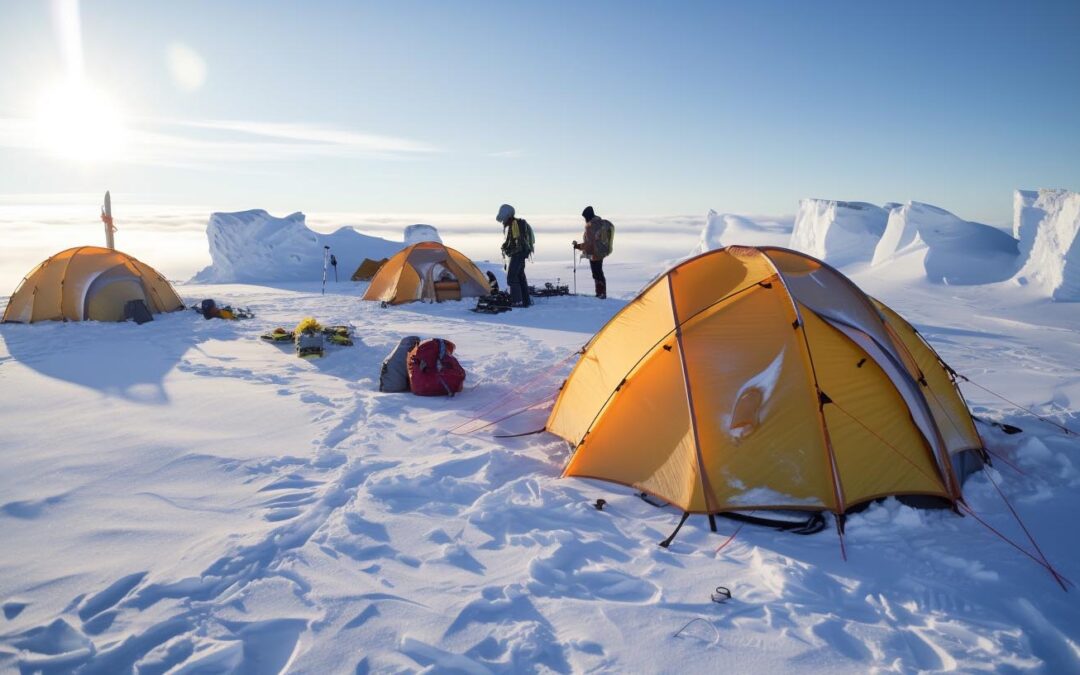
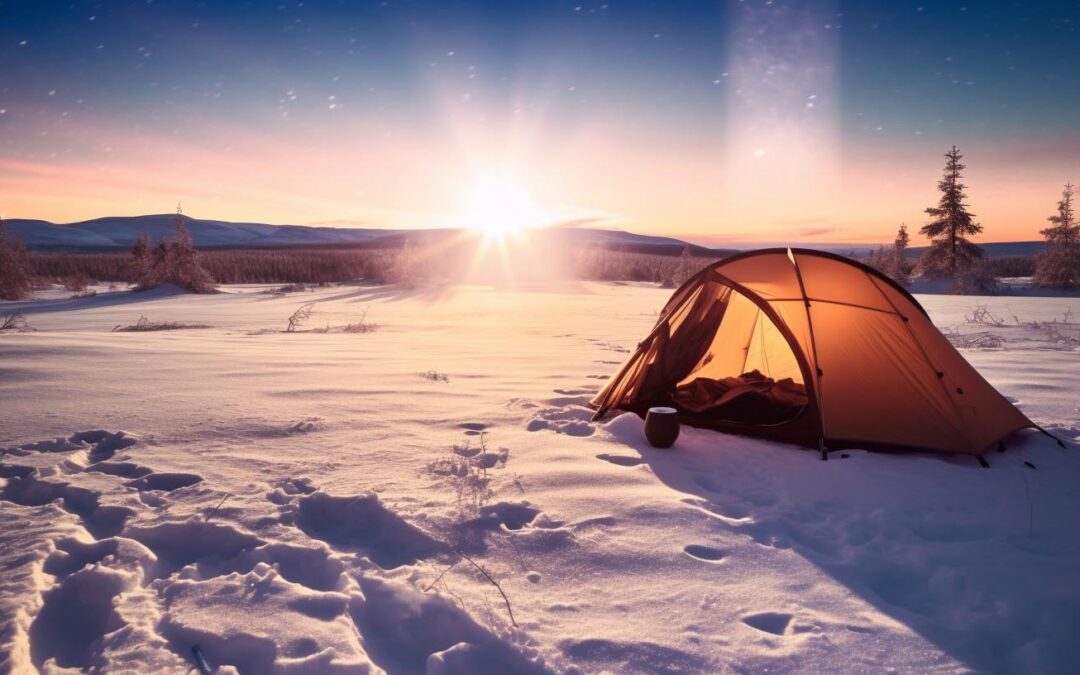
….If you ever get the chance to take a trip and go camping while snowmobiling up on the side of a mountain, I suggest you do it. Few things in life are that much fun. Here are a few tips and warnings about this Recreation.

Snowmobiling, when safe is a significant activity, but things can go awry very fast make sure especially during heavy snowfall you have the proper safety equipment and Back-up Plan if the machine goes down. Also, make sure that your camping bag has appropriately been packed for a cold camping trip. Sub-Zero sleeping bags and portable heaters if necessary Etc. if everything is on point and packed for the journey, you will enjoy something like you’ve never experienced before

Camping While Snowmobiling

The very first thing when camping while snowmobiling that needs to be brought up is where and when you are going. Many areas that are covered with snow are designated for certain winter recreational Sports, so you need to make sure that snowmobiling is acceptable, and that camping is acceptable on National Land or BLM land because if you get caught where you’re not supposed to be there are hefty fines and possible jail time.

Another precaution is to always check your local forecast for inclement weather and the possibilities of avalanches if you will be creating an avalanche prone areas. Once all that is figured out you might need to pull a permit to go where you want to and that can be completed at your local National forestry headquarters they should be able to tell you all the information you need to know about the area you will be going and what permits and other passes you may need.

More: How to Camp in the desert

Clothing

Once all the form mentioned items are taken care of, then you can get everything packed up To get ready to head out. You will want to make sure and pack necessary gear for riding and camping in the winter.

One of the huge rules to remember is that no cotton it absorbs the moisture and sweat from your body so easily, and when you get wet it can freeze. so please do not wear cotton underneath your snowmobile clothes

A better first layer is going to be a polyester blend long underwear top and bottom. Make sure these garments aren’t too tight so your body can breathe. Another type of fabric includes silk because of its thin and lightweight makeup that allows your body to dry naturally and keep moisture away from your skin.

Stay warm in this from Amazon

Try wearing more than one layer the more you wear, the more you can take off if you start getting warm and not having to search for more clothes that you did not bring to put on trying to get warmer. You see the logic here you can always take more off, but you can’t put more on.
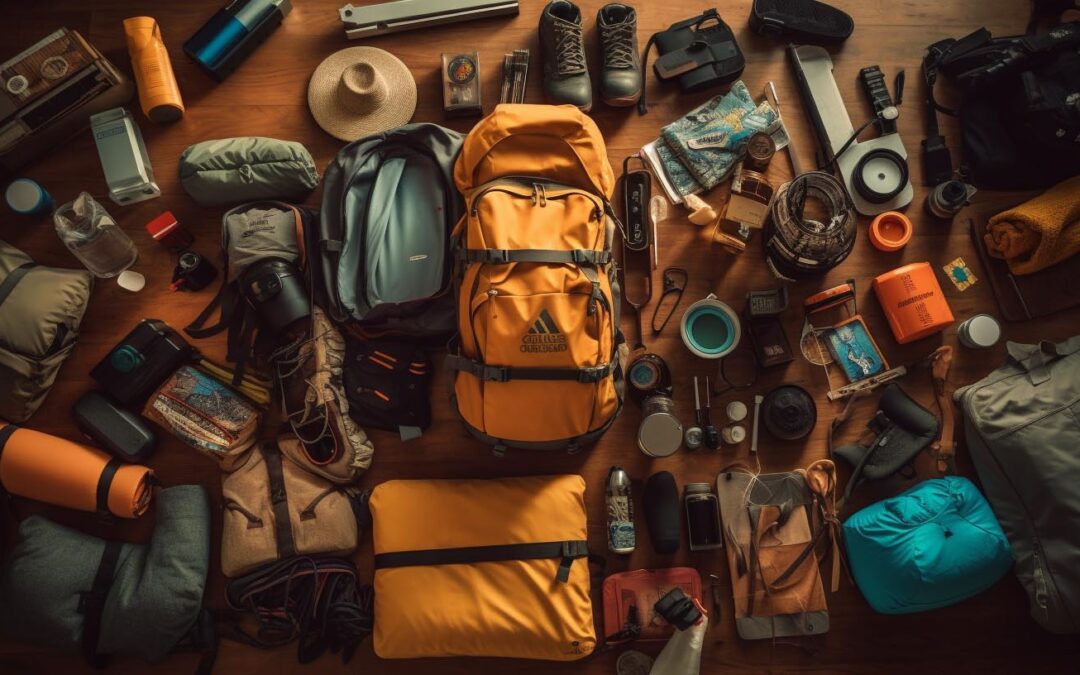
here is a short list of a few items you might want to pack

  • snowmobile suits 
  • goggles
  • Gloves
  • helmet
  • face mask
  • snowmobile boots
  • heavy duty winter socks
  • stocking cap

Tools

It’s best to bring a friend or a group because you don’t want to get stuck up there with a broken machine if you do end up having an issue at least you’ll have somebody you can ride back with or might have the knowledge to be able to help you fix it if you don’t.

Depending on how far you go out what kind of terrain you will be riding this is probably one of the first things you think about before going on your snowmobile trip. Usually, snowmobiles have a basic kit they come with but if its an older model they could all be scattered in your garage or something.
here’s a list of tools you might need to pack with you

  • Spark plug wrench
  • Flathead and Phillips screwdrivers
  • A tow rope
  • electrical tape
  • a bag of Rags
  • some bungee cords
  • razor knife pliers
  • Extra battery
  • Walkie Talkies

walkie talkie kits

Location

Once you are packed and ready to go, head out, it’s going to be a fun ride. Depending if you’re going by yourself, with a partner or with a group. You’re going to need to find a spot, and when you do find a place, you need to understand where you are. Are you right on a track where other snowmobilers are going to be coming through and waking you guys up in the middle of the night? Or are you away from the main path where you guys can rest and have some privacy.

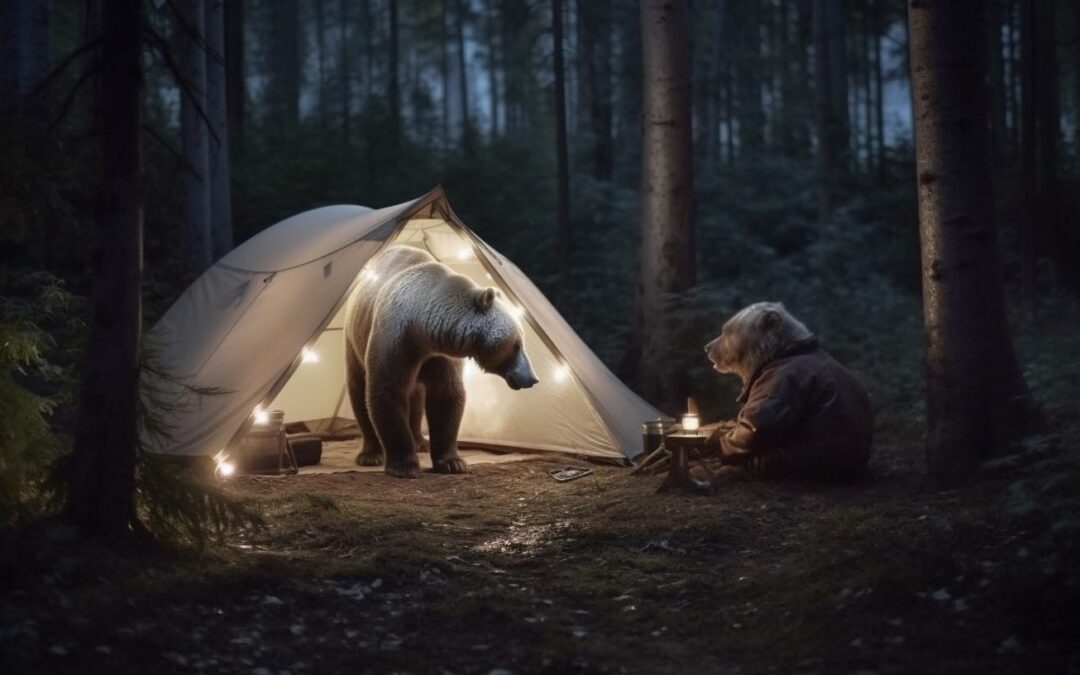
Another thing to think about or wild animals that might be brought closer to Camp by the noise of people in the surrounding areas you must think it’s not normal to have such sounds in the outdoors and the animals that live there going to be curious and want to check it out.
Make sure you keep food in tight containers and put up that night, so it does not attract animals to Camp by the odor of food.

Gear

Just with any other type of Adventure, you need to be packed correctly. With the right kind of activity, you will be doing. Now being up high and in the snow. You will need a certain amount of tools that you will be bringing along if that’s Towing something behind you or packing it on a backpack and dragging it on your sled then that’s what it is but remember everything you take in you got to bring back so don’t make more than is necessary.

  • 550 Cord
  • Altimeter
  • Cell phone and satellite phone
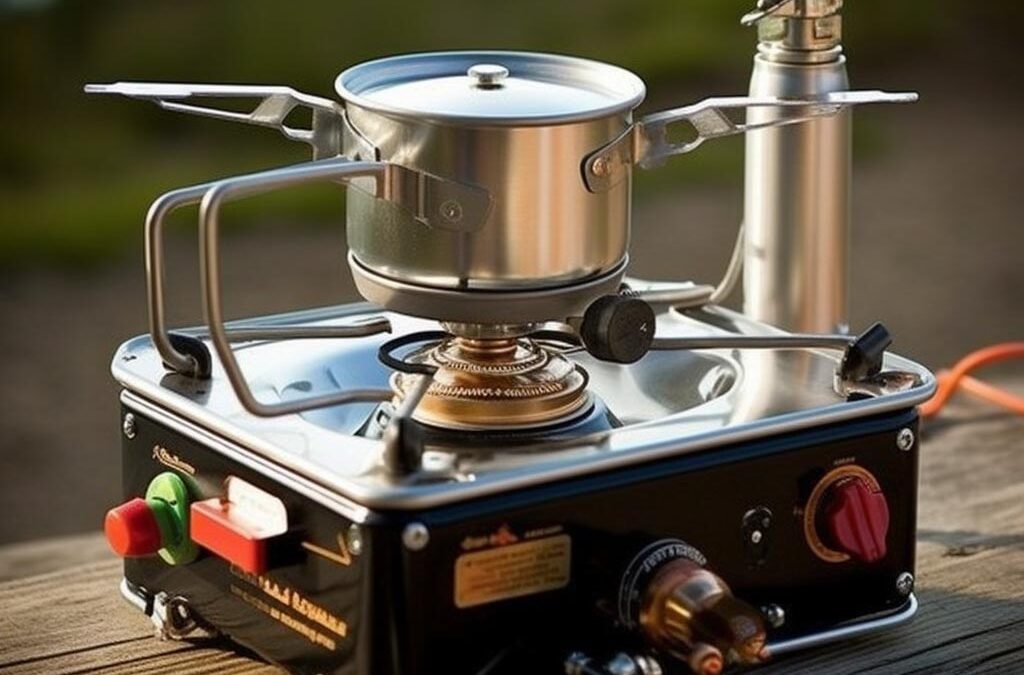
  • Cookstove (Small)with pot, utensil, and fuel
  • Emergency candles
  • Firestarter
  • Fluorescent tape or flagging
  • GPS-beacon
  • Headlamp
  • Hunting knife
  • Map, compass
  • Multi-tool
  • Saw for wood
  • Shovel (tempered)
  • signal mirror
  • Snow Probe (10 ft min.)
  • Spare batteries
  • Sub temp Sleeping bag (-50)
  • Tinfoil
  • Toilet paper
  • Waterproof lighting source—flint
  • Whistle
  • Winter tent


Keeping Your Gear Dry

So at the end of the day, when you get back to your Camp, You’re going to want to dry off. Now if it’s super cold, as soon as you take it off and get into your night gear, it will freeze. What I suggest is to bring a Buddy propane heater with you and that way you can dry your socks, your pants, your gloves, your boots, and anything that got wet throughout the day. That way when you start fresh in the morning, you’re not going to be uncomfortable.

Another option is if you can start a fire to hang a clothesline across over top of the fire from a tree to your machine. And hang your socks above the fire. Of course not close enough to catch on fire, but you get the gist. And if necessary you could lay your stuff on your idling machine it will waste gas, but it will warm up your socks your boots Etc.

Sun

Make sure you wear sunglasses and sunscreen because the glare of the snow is going to torch you your face your eyes everything that is exposed to the air is going to be hit with the Sun. Bring up in the snow and at a higher elevation means that sun’s coming in hot even if it’s behind clouds or it’s gloomy, or you’re in the shade or behind Mountain that doesn’t matter.

80% of the UV radiation is going to be reflected at you compared to at a beach where it’s only 20% coming off the sand that’s a big difference and not to mention because you are so high or closer to the Sun

So sunscreen and sunglasses and don’t forget to reapply sunscreen anytime you think about it. Just put it on. It’s going to help you in the long run, it will also keep your skin from drying out after riding for 8 hours a day.

Be Responsible

By the way, I should have mentioned this earlier in the article. Don’t forget to let your friends and family know which way you are going to travel, or which recreational area you will be staying. Because if they don’t hear back from you by the time you’re supposed to be home, they need to send somebody out to look for you.

Hopefully, that doesn’t happen, and if it does happen hopefully, you are adequately prepared with a GPS beacon or cell phone somebody they can pin your positioning. it’s incredible to go out and have these Great Adventures, but we need to be able to go out and do it safely so we can come home to our families when it’s all said and done because that’s what it’s all about

Conclusion

And finally, when you go camping while snowmobiling, have some fun. We work hard day in and day out to be able to go ride and explore the Wilderness like this. So enjoy it and take lots of pictures. Write it down in a journal. Somehow document what you’re doing because in the future all you have is memories. So pack right, be ready, and let’s hope they’re great memories.

Relax. Explore. Enjoy.

Top Ten Of The Best Family Tents To Stay Cozy

Discover the top 10 family tents, offering comfort, durability, and spaciousness. Create memorable outdoor adventures with these versatile camping companions.

How To Camp While Snowmobiling: A Wonderful Ride

....If you ever get the chance to take a trip and go camping while snowmobiling up on the side of a mountain, I suggest you do it. Few things in...

12 Powerful Items for an Unforgettable Outdoor Adventure

Ignite your camping adventure with our handpicked selection of 12 powerful essentials. From game-changing gear to elevate your comfort to practical tools for seamless outdoor cooking, discover the must-haves that will transform your trip into an unforgettable experience. Whether you’re a seasoned camper or embarking on your first outdoor journey, be fully prepared to embrace nature’s beauty and create lasting memories. Explore our curated list and gear up for an extraordinary camping journey today

Ultimate Guide to Best Double Sleeping Bags for Cozy Camping

Discover the importance of a good night’s sleep while camping and how double sleeping bags can enhance your outdoor experience. Explore the benefits, top features to look for, and check out our recommendations for the best double sleeping bags on the market. Stay warm, comfortable, and connected with your camping partner for a memorable adventure in nature.

The Ultimate Camping Checklist

Planning a camping trip? Don’t forget to pack these essential outdoor adventure items. A detailed camping checklist will ensure you have everything you need for a stress-free and enjoyable experience in the great outdoors.

Secrets of Building a Campfire Revealed: Impress Your Friends!

Master the Flames: Learn how to build a safe and efficient campfire like a pro with our detailed guide. Gather materials, build the pit, and start your fire! The crackling sound of the flames, the warmth that envelops your body, and the mesmerizing dance of light create a magical atmosphere that captivates us all. A campfire is where we gather with friends and family to share stories, sing songs, and roast marshmallows. It’s a place where we relax, unwind, and connect with nature.

Sleep Tight: The Best Sleeping Bags for Camping

the best sleeping bags for camping in this comprehensive guide. From cold weather to warm weather, family trips to specialized situations, find the perfect sleeping bag for your camping adventures. Learn about temperature ratings, insulation types, shapes, sizes, and other important features to ensure a comfortable night’s sleep under the stars.

A Comprehensive Guide to the Best Backpacking Stoves

Explore different types of backpacking stoves and factors to consider when choosing the right one

Ultimate Camping Experience: The Definitive Guide to Camping Essentials

Discover the essential camping gear you need for a successful outdoor experience. Our comprehensive checklist includes tents, sleeping bags, stoves, and more!

The Best Backpacking Tents for Outdoor Adventurers on a Budget

Looking for affordable backpacking tents under $200? Read our expert guide to find the top 10 budget-friendly options that offer excellent value for money. Get ready for your next outdoor adventure

Us at the columbia river
Campsite planning Logo

This site is operated by Docslys Design, which is a participant in the Amazon Services LLC Associates Program, an affiliate advertising program designed to earn advertising fees by linking to Amazon.com.
High Altitude Camping With Kids

High Altitude Camping With Kids

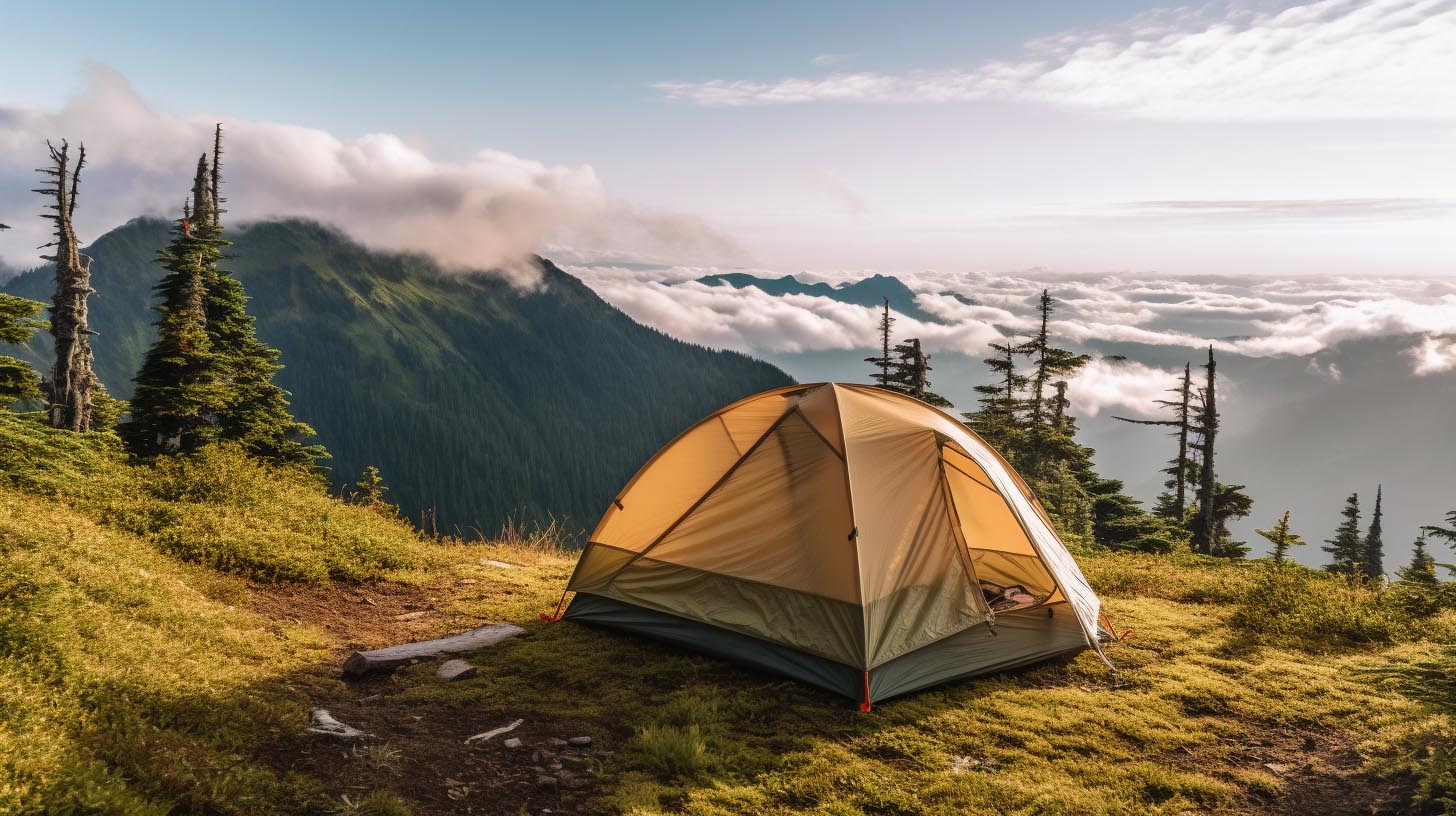
High altitude camping can be fun if you are geared up for it right. Now couple that with kids at an elevation of 3000-5000 ft. And high altitude camping with kids is an entirely different experience.

Planning and preparation have to be on point; you could ruin or make your trip. Whichever you prepare for will define that in the end. High elevation camping with kids is very exciting but extremely dangerous. Between altitude sickness, dehydration, and sleeplessness, the risks are high, but if prepared correctly, it can be the best times of your life.

High Altitude Camping with Kids

Camping at high altitude is very different from the usual camping methods and scenarios, where the feeling of lush green leaves sticking to your skin, insects swarming around you, and breathing in the early morning dew dominate. High altitude camping is an entirely different ballgame.

Picture yourself standing on a building over 5000 feet high. This can be likened to high altitude camping, at least visually. The cold and icy feeling stinging your skin, the dirt in your eyes, slippery and uncomfortable footpaths on the mountain slopes… all come together when you’re high altitude camping.

You should not go high altitude camping with kids unless you have a very precise preparation plan in place. You do not want one of the kids falling ill with high altitude sickness without having the provisions to treat it.

Some symptoms of altitude sickness may include headaches, dizziness, restlessness, confusion, shortness of breath, lack of appetite, fatigue, nausea, and sleep deprivation. Factors like dehydration and ascending altitude contribute to altitude sickness, according to a study from the Wilderness Medical Society.

As a guide or parent, you should also realize that kids have difficulties expressing how they feel in regards to altitude sickness, so you might have a hard time finding out exactly what is wrong with them.

High altitude camping with kids

High Elevation Warnings

Due to this, some studies have recommended specific viable factors that you should note before heading out for high altitude camping with kids:

  • Kids between 1 day to 1 year old should not be taken on altitude camping trips and locations between 5000 to 8000 feet, generally.
  • You should monitor and supervise kids under the age of 3 very closely during altitude climbs for symptoms of high altitude sickness.
  • Ascension for kids should be slow and gradual.
  • You should monitor kids who have difficulty communicating. After about 3000 feet, you should begin the descent.

The study has shown that physical conditioning for kids can reduce the likelihood of altitude sickness in them. These include keeping them hydrated, providing meals with high carbohydrates regularly, and not making the kids climb to the location in one day. Instead, it should be done in intervals, preferably covering 1000 feet per day. Sleeping at an altitude between 1000 and 5000 feet is also recommended.

You should consider all this and do proper planning before thinking about going high altitude camping with kids. Remember, the only cure for altitude sickness is descent. So, it’s best to avoid it in the first place.

All Packed? What’s Next?

With all this information, I hope that next time you plan on going high altitude camping with kids, you’ll have made sufficient plans for altitude sickness and all other factors that might trigger its likelihood. Now, it’s time to pack your backpack and get ready for a crazy sweet ride.

Camp Setup

This is the next thing you should consider after tackling altitude sickness. I made it clear earlier that high altitude camping with kids is not at all the same as camping on a lowland campsite; you need to take ample precautions for safety, which will naturally increase the amount of fun you want the kids to enjoy.

Here are some things to note:

  • Pick a shelter out of the wind and possible falling rocks.
  • During ascent, avoid camping on mountain passes that can act as wind tunnels.
  • Make use of established campsites, as they are safer and more reliable and most likely have provisions in them.
  • Hold your gear down with massive stones to prevent them from being blown away by gusts of wind.
  • Avoid ridges and exposed ground, as they are usually hot zones for lightning strikes.
  • Ensure the kids have boots with crampons for ice gripping.
  • Use an altimeter to measure the altitude and changes in atmospheric pressure.
  • Provide high altitude sleeping bags for the kids’ comfort and a good night’s sleep.
High Altitude Camping With Kiddos

Camping and Cooking

We all know how vital the right food is for kids. The importance of this increases even more when you’re high altitude camping. You need to keep their spirits up and their energy high. So, for cooking, eating, and drinking at high altitudes, here are some things you should take into consideration.

  • Bring your own wood, as finding dry wood can be hard at the peak or mountain pass. To be on the safer side, pack your own dry wood.
  • Sometimes carrying wood can be stressful, especially while climbing over 3000 feet. To ease the stress, you may substitute wood for stoves and camping gas.
  • Make sure the kids drink a lot of water, as high altitude camping can cause increased urination for both adults and kids. Keeping them hydrated is crucial.
  • Reiterate my earlier point, stuff them full of carbohydrates. It will help the kids remain energetic throughout the trip.

Sanitation Guide for Altitude Camping

It may come across as common sense, but paying attention to sanitation is essential for a successful camping experience, including at high altitudes. Here are some things to take note of:

  • Make sure the kids have a portable WAG bag (Waste Alleviation Gelling bag). This biodegradable bag contains a powder that gels waste, neutralizes odor, and starts the decay process immediately. It’s puncture-resistant, so you have nothing to worry about carrying it along with you on your ascent.
  • Encourage the kids not to carry extra stuff they don’t need, as this reduces the amount of trash they may need to dispose of.
  • Try to bury any trash by digging small holes in the ground.

Additional Tips

Kids are unpredictable, so no matter how much planning you’ve done, they can always surprise you. Therefore, it’s advisable to have extra items on hand, just in case something goes wrong. Also, remember to control the pace of the kids while on the ascent, so they don’t tire out before reaching the destination. And don’t forget to equip yourselves and the kids with good UV-rated protective sunglasses and SPF sunscreen to protect against the sun’s harmful rays.

You’ve got all the information you need to conquer high altitude camping with kids. It’s a thrilling adventure filled with challenges and breathtaking moments. So, get out there, explore the mountains, and create memories that will last a lifetime!

How To Camp While Snowmobiling: A Wonderful Ride

....If you ever get the chance to take a trip and go camping while snowmobiling up on the side of a mountain, I suggest you do it. Few things in...

Camping With A Two Year Old: 10 Rules To Keep Your Sanity

Times can get crazy with a little one. But wouldn’t change it for the world. Hope these tips help it go easier.

Tent or Hammock? What’s the Difference?

Tent or Hammock? What's the Difference? When you go on a camping trip what is the form of shelter you prefer? I have been a tent man my whole life,...

The Ultimate Guide to Selecting and Utilizing Exquisite Camping Cookware

Camping Cookware Definition and Importance of Camping Cookware Picture this: you're surrounded by the majestic beauty of nature, breathing in the...

Ultimate Guide to Best Double Sleeping Bags for Cozy Camping

Discover the importance of a good night’s sleep while camping and how double sleeping bags can enhance your outdoor experience. Explore the benefits, top features to look for, and check out our recommendations for the best double sleeping bags on the market. Stay warm, comfortable, and connected with your camping partner for a memorable adventure in nature.

Ultimate Camping Experience: The Definitive Guide to Camping Essentials

Discover the essential camping gear you need for a successful outdoor experience. Our comprehensive checklist includes tents, sleeping bags, stoves, and more!

Discover the Magic of Leave No Trace Principles for Camping

Camping is a great way to get closer to nature, explore new places, and bond with friends and family. However, it also brings the responsibility of respecting nature and preserving it for future generations. This is where Leave No Trace principles come in – a set of guidelines designed to help campers minimize their environmental impact while enjoying the great outdoors.

A Comprehensive Guide to the Best Backpacking Stoves

Explore different types of backpacking stoves and factors to consider when choosing the right one

Survival or Peril: Campsite Dogs and the Bear Conundrum

Dog and Black Bears: Mitigating Risks at the Campsite

Cozy Secrets Revealed: Unraveling the Magic of Mummy Sleeping Bags

Explore the world of mummy sleeping bags and uncover their cozy secrets. Learn about insulation types, temperature ratings, and more to find the perfect sleeping bag for your outdoor adventures.

Us at the columbia river
Campsite planning Logo

This site is operated by Docslys Design, which is a participant in the Amazon Services LLC Associates Program, an affiliate advertising program designed to earn advertising fees by linking to Amazon.com.

12 Powerful Items for an Unforgettable Outdoor Adventure

12 Powerful Items for an Unforgettable Outdoor Adventure

So you’re heading out on a camping trip with the family. Do you have everything you need? Do you have these things on my list of 12 essential camping items?

The more you know about camping, the better prepared you will be. This isn’t the expert guide to pack for camping, but it’s an essential list for the average family that’s heading out to the campsite. Here is my list. Check it out.

12 Essential Camping Items
1) Tent
Tents are the main item in most people’s arsenal when heading out to camp. Whether it is for a single person or a whole family, you want it to be large enough, so you’re not sleeping on top of one another.

When choosing a tent for camping, you want to pay close attention to the actual dimensional size of the tent, rather than the per person tag. It does not know if you are a large person or a small child. A four-person tent barely fits my two of my tweens inside with all their gear.

Rule of thumb is if you are going to sleep four, don’t get a four-person tent, get the next size up or larger, depending on your circumstances. I know that when we go camping, we have a queen size air mattress, duffel bags for each person, the baby’s bag with all her diapers, and what have you.

A tent’s primary purpose is to create a microclimate that allows the person that is going to sleep in it be as comfortable as possible. So help yourself out and get a decent tent that will not puncture too easy, rip from pulling on the zipper too hard, or fall from a strong gust of wind. There are many decent styles and brands out there. Just do a little research, and I’m sure you’ll find exactly what you’re looking for.

More: How to Camp in the Desert

2) Sleeping Bag
Picking a great sleeping bag can be a daunting task when you go to an outdoor store. The so many different styles, colors, and ratings to choose from that it makes it difficult if you don’t know what you’re looking for.

Picking the right sleeping bag is very important depending on what kind of camping you’re going to be doing. If you’re planning to do summer camping only, lightweight sleeping bags will be just fine. If you plan on doing some hunting and you need a warm weather bag, then that’s the way you have to go.

Most sleeping bag manufacturers have the same ratings.

Summer Season Reading – which is comfortable at 35 degrees Fahrenheit and higher

Three-Season Bag – which is over 10 degrees Fahrenheit up to 35 degrees Fahrenheit

Cold Weather – which is usually from 10 degrees Fahrenheit and anything lower

Often, when picking a sleeping bag, you want to choose one that is the stage lower than what you’re going to be camping in. You never want to get stuck out there and get cold.

There are four styles of sleeping bags.

Regular rectangle shape – which most people had as they were growing up. They have a canvas outside, and a plaid inside and are comfortable honestly. But, they are super heavy.

Semi-rectangular – called a barrel-shaped. They are tapered towards the legs, and they offer a little bit better efficiency than the old bulky rectangle bags, but they still have a room for the most part.

Mummy Style – they are very lightweight and compact. Many people have trouble with these because they’re so tight that they never can get comfortable and are the more restrictive.

Double-wide – where you and you’re significant other can get inside together. If you have a young child, they could probably jump in there with you too. If you buy two of these things, you could have a comfortable night on a king size air mattress. Most of the time, it’s too hot honestly.

3) Fire / Fire Starter
So fire is a valuable commodity when you’re out camping, but it is not always acceptable and permitted, especially in the summer months. At least where I live in the Pacific Northwest, but it’s still nice to have. I’m not going to get into any survival techniques or what’s the best fire starter or anything like that. I am just going to list a couple of styles of fire starters, and we will go from there.

A more primitive style and survivalist style is the wood friction fire bow drill, fire plow, or fire saw. I don’t have any experience using any of these, and I don’t plan on it unless it’s an emergency, then I’ll try my best. But I don’t see that happening I always have lighters and strikers.

Next is flint and steel or striker. You know the kind where you take a sharp object, and you scrape it along the flint and light tinder. A fun way to teach your children how to get a fire started honestly. The last camping trip, my boys, played with those things for a couple of hours trying to get the fire going. It was pretty fun to watch.

You also have the magnifying glass fire starter situation. Which if you grew up in the 80’s and 70’s you probably know all about that. Use the magnifying glass with the sun glaring down through it and angle it down onto a piece of wood or piece of paper to get it lit. It works pretty well actually, as long as it’s sunny out.

Good old matches if you use matches. You’re going to want to have a waterproof container to keep them in. If you have any rain or your kayaking or boating and drop them in, you’re screwed.

Then you got your refillable butane lighter. You can buy a pack of six from Walmart for a couple of bucks. It’s great! To go through, by a box to throw them in your camping gear, and you’re all set. Another thing about these, you do not want them to get wet, or they’re useless.

4) Food
Unless you’re a pure survivalist, and out to fish and catch your food for the weekend for your family, you’ll need to bring along some food. It would be fun to fish and find all your food, but, I think it would be tough, and not a thought-out process. My family always packs food, and we pack a lot of it. We usually end up cooking it all up on the last day and eating it. Or we bring it back home if we still have ice in the cooler.

Here are my food essentials when camping:

hot dogs

eggs

potatoes

pork ribs

marshmallows

chocolate bars

graham crackers

sausage for breakfast

oatmeal

If you buy enough of these products, you will have meals for every day you are at the campsite, At least if you’re only out for the weekend. After a few days, you probably would end up getting tired of it if you’re there too long.

My Favorite Campsite Meal
I cook the pork with some potatoes the night before in a cast iron dutch oven. Just drop it right down into the coals. I let those pork ribs cook up nice and tender to eat them if we want for dinner. Then we have some left over for the morning. We chop them up, scramble some eggs, and throw it in a pan. Just let it cook. Put some cheese over the top and there you go, you got yourself some camp hash.

And then of course for the kids, you always have your s’mores over a campfire before bed. It’s very messy and especially if you have a little one, but we can handle the mess to see the smiles on their faces.

5) Water
Water is the most important element in the world. So on a camping trip, of course, you need to have an adequate amount of fresh drinking water. If that’s coming from bottled water or 7-gallon freshwater tank that you filled up from your bathtub at home, it doesn’t matter as long as you have it.

What I usually do is I have two seven-gallon jugs I bought from Walmart with the spout on the inside. Until you need it, then you spin it around and stick the spout on the outside. You can figure that seven gallons last a family of four for two days with cleaning dishes and washing hands, brushing teeth all that kind of stuff. Then you have your other seven for drinking water, boiling for cooking, etc.

Nowadays, they have an assortment of backpacking water filters that you carry around with you. You can put water inside these water bottle filters, suck them up through the straws, or pump it into your water bottle with a carbon filter. I don’t know a lot about them honestly. I know that they’re out there and they are trendy among the hikers.

Here are a few ways to clean your water – pump filters, purifiers gravity filters, ultraviolet purifiers, bottle filters. Squeeze filters, straw style filters, chemicals, and then boiling. I recommend boiling everything that you are going to drink from the wild.

6) Cooking Supplies
If you wanted, you could go to the outdoor store and spend over $1,000 for just a minimal amount of cooking supplies. There are double cooking stoves, there are single burner cooking stoves, and there are jet boilers now.

We use a stove for breakfast. A double burner propane stove. I have a little cheap one I think I paid 40 bucks for. We also have a cheap little cookware set that comes with a couple of cups, plates, bowls, utensils, a boiling pot, and a small frying pan. The kids usually use that to cook up some hot dogs, or they make some water for tea or hot cocoa. You name it; it works great for them.

I prefer to cook with our cast iron. We have a griddle that we can use on both sides, that is awesome. It can cook everything from steaks to fish to pork loins. Everything you can think of, we can cook on it. We also have a 9-inch skillet pan and a dutch oven. Honestly, with these and some foil, that is all we need to cook whatever type of meal that we are going to make when camping.

So for years, I used metal spatulas, spoons, and forks that we had in our camping gear. And I would use that to cook all the food, and it was fine. I noticed I was starting to get specs of cast iron in my food because I was scraping the pan so hard. I decided to switch over to wood cooking utensils. They seem to work fine.

We have bought all the kids their own multi utensil multi-tool. It comes with a spoon, fork, can opener, and a butter knife. It will break down so they can have just the fork or just a spoon. They’re pretty cool, and they’re relatively cheap. I think I paid like eight or nine bucks for each one and they each have their own color. It’s pretty awesome.

7) First-aid
First-aid kits are so important you wouldn’t believe. The worst thing that could happen is your young child is running and slips or trips and hits her head on the picnic table or the fire ring. Or even worse, accidentally falls into the fire and you’re stuck with nothing to help her, nothing to cover the wounds. I’ve been there, and it is disheartening.

What we have are two Walmart pre-made first aid kits that we throw in the camping gear.  We also have some elastic bandages, bug spray, and extra-large stick-on bandages. I also added some hydrogen peroxide, Neosporin, diaper rash cream, anti-itch cream, and some calamine lotion.

You get the point – you want to make sure that you’re fully prepared for anything that might happen. Don’t forget the Aloe Vera for burn injuries. They do happen especially if you cook a lot of marshmallows and hot dogs. The end of the stick is burning hot and will burn finger while they are pulling off the food. This is very common.

8) Warm Clothes and Rain Gear
Living in the Pacific Northwest, you start to understand that the weather will be sunny one minute and then rain the next. You always want to make sure and pack warm clothes, even if it’s a hundred degree day. By the time the sun goes down behind the mountains or the trees, the temperature is going to drop 20 to 30 degrees. The wind us going to pick up, and you are going to be chilly and cold. Always pack a sweatshirt and always pack rain gear. Bring a pair of shoes, don’t pack a pair of flip-flops because you will get cold.

I have a light set of rain gear that I pack in with my gear for my wife and me. The kids all have their own cheap stuff from Costco that we have packed away and use if we need to during the Fall and Spring. I always carry a heavy duty top and bottom set. They’re fairly warm, and I wear them when I’m fishing.

9) Light / Lantern
When camping, you don’t want to get stuck out there without any lighting. You want to make sure and have enough propane for your propane lantern and enough batteries for your battery lights as well. If you decide to have battery lanterns or lights out there, that is.

Have propane lanterns, and carry extra Mantels in case they get wet. I do prefer the Coleman brand for my lanterns, my tents, and cooking gear. We just haven’t had good luck with anything else. If you decide to go the battery powered headlamp and lantern style gear, that’s great; you need to carry many batteries because they do go dead very fast. The best place I found to buy lighting is Amazon and Costco.  Costco sometimes has a three-pack of the small lanterns that collapse. I own them myself, and my kids love them. They hang them the inside of their tents. You can close them, so it’s like a little night-light. They’re great!

I also think that having four or five headlamps in your gear is an excellent idea for late-night bathroom treks and walks down to the water. We have a telescope that we like taking with us, and it’s good to have those headlamps with us so we can turn them off and on to see what we’re doing when we’re tuning in the stars.

10) Knife / Hatchet
This is probably my favorite essential just because I have had it for such a long time. Of course, you need to have a Leatherman Wave. I’ve had mine for 20 years, and it has everything on it that you need.

Then you have to have a hatchet for cutting firewood into kindling. It doesn’t matter on the brand name or anything. Just be sure it has a sturdy handle and durable, broad backside. That way you can use it to pound on your steaks as well.

If you have the chance to pick up small firewood saw, get one.  A saw will cut the time to gather wood in half. I was lucky enough to find a kit that had the hatchet, a bowie knife, and a saw all in one, so I bought it. I will have a review on that very soon.

11) Toiletries
When it comes to toiletries, make sure you pack light. You need the essentials.

Think carefully about how much toilet paper to pack. Think about how long your trip is and how many in your group. You want to be sure to pack enough so that you do not run out! If you do run out though, there are other options out there, leaves for one.

If you decide to stay in a campground, then most likely you will have a toilet in there. Hopefully, the Rangers take care of it because there’s nothing worse than a nasty, smelly outhouse toilet in a campground that everybody uses.

If you want to spring for a couple of items, you could purchase a campsite shower hooked to a campsite sink. That way you can wash right inside your campground. Use your own seven-gallon jugs to gravity feed the shower of course. Soap up right there, no one would be the wiser.

12) Navigation
Navigational items like a compass and map should be a part of your camping gear. You don’t want to leave them in your camping bag. You need to take them with you when you are going on walks and hikes. If you don’t keep them with you, then they are useless. They are in case you need them to get yourself out of an unfortunate predicament in case you get turned around.

This is a huge one – there are places to go in your local area to learn how to use read a map and to learn how to use your compasses. I suggest doing that. Maybe you and your significant other go or you and your children, whatever. Just make sure that you learn how to use it. It will come in handy someday. You always know which way you’re going.

Conclusion
So that’s my list of 12 Essential Camping Items. I do not know if you want to use this list or not, but it is a good list to go by. It hits all the primary marks. What you don’t want to happen as you get to your campsite and realize you forgot one of these items. They are all critical to having a successful camping trip.

So go out, have fun, and relax. If you follow this list, you won’t have anything to worry about. Everything and all things will be covered.

Have fun. Enjoy. Relax.

Quick and Easy Camping Meal Ideas: Perfect for Families!

Discover a variety of camping meal ideas for families, outdoor enthusiasts, and foodies alike. Embrace the convenience of one-pot wonders and the magic of campfire cooking while enjoying nature’s embrace.

Ultimate Comfort and Relaxation with These Top Camping Hammocks

Explore the top camping hammocks that offer unparalleled comfort, durability, and portability. Discover lightweight and versatile double hammocks for your outdoor adventures

Pitch Perfect: Your Ultimate Guide to Setting Up a Tent

Learn how to set up a tent like a pro with our step-by-step guide. Find the perfect spot, pick the right tent & master the art of pitching for ultimate camping success.

Paradise on the Beach: Beachfront Tent Camping

Beachfront tent camping combines the beauty of nature with the excitement of beach activities. Discover the appeal of waking up to an unobstructed view of paradise, immersing yourself in the natural environment, and disconnecting from technology.

Weightless: An In-Depth Look At Ultralight Tents

Experience the freedom of ultralight camping with portable and lightweight tents.

Expert Tips for Delicious and Safe Camping Cuisine

Camping is a great way to unplug and connect with nature. Learn expert tips for delicious and safe camping cuisine. Plan your meals, cook over a campfire, and stay hydrated. Also, practice Leave No Trace principles to minimize your impact on the environment.

Survival or Peril: Campsite Dogs and the Bear Conundrum

Dog and Black Bears: Mitigating Risks at the Campsite

A Comprehensive Guide to the Best Backpacking Stoves

Explore different types of backpacking stoves and factors to consider when choosing the right one

The Best Backpacking Tents for Outdoor Adventurers on a Budget

Looking for affordable backpacking tents under $200? Read our expert guide to find the top 10 budget-friendly options that offer excellent value for money. Get ready for your next outdoor adventure

Top Camping Lanterns of 2023: Ultimate Guide to Transform Your Nights Outdoors

Here are our choices for this years top Camping lanterns!   Welcome to our ultimate guide to the top camping lanterns of 2023! If you're an...
Us at the columbia river
Campsite planning Logo

This site is operated by Docslys Design, which is a participant in the Amazon Services LLC Associates Program, an affiliate advertising program designed to earn advertising fees by linking to Amazon.com.
Ultimate Outdoor Essentials: Gear for Epic Camping Adventures!

Ultimate Outdoor Essentials: Gear for Epic Camping Adventures!

I got to thinking the other day when stuck at work in my dump truck; what are the most important things I need to pack in my camping bag? After giving it some thought, this is what I recommend.

Mandatory Camping Accessories That You Must Have When it comes to a accessories list for a camping trip these necessary camping accessories are probably the most critical items minus the tent. I left the tent off of this list because it is not an accessory, rather a necessity. Read through this list and comment below if there is anything you would add to it.

Camping First Aid Kit

When you spend as much time camping as I do, you know you will come across specific activities that will leave you scratched, cut, sunburned, and just plain out dog-tired. Having a good, well-stocked first aid kit will help keep you on the positive. Just in case of an emergency, here is a small list of items that you should not go without in your first aid kit:

hydrogen peroxide – for cuts scrapes and keeping wounds clean

thermometer – to check for fevers

bandages – for covering cuts, scrapes, and bruises; if large enough can be used to cover  small lacerations, hands, feet, and head

cold compress – for bumps and bruises that have the possibility of swelling; sprained ankles, hands, feet, and toes

heat pack – for reducing pain for both acute and chronic injuries such as sprains, strains, whiplash, and arthritis

emergency blanket – for severe cold weather and to avoid hypothermia

pocket mirror – for reflection signaling when lost

neosporin – for antibacterial purposes on cuts, scrapes, and lacerations

scissors – to cut bandages down to size to fit injuries

sutures – in severe laceration emergencies for blood loss control

elastic bandage – for ankle, elbow, and wrist sprains

butterfly bandages – for light laceration closures

aspirin or acetaminophen – for mild pain relief or fevers

calamine lotion  – to relieve itchiness

Insect repellent/sunblock I hope that there will not be a situation where you will need many of these items on the list, but on nine out of ten camping trips, there are injuries. If you are well prepared for it, a minor emergency does not have to ruin your trip.

More: How to Camp in the Desert

CPR and first aid                              

CPR training is almost priceless information. If just one or two family members get certified in CPR safety training, it can save lives and more the merrier in this instance. If everyone is trained then the odds are higher for a good outcome during an emergency. Another useful item to have as a part of your first aid kit is an old smartphone that you might have lying around the house.

Make sure it’s fully charged and packed with a charger, solar if you can get one,(be sure the phone is off so it won’t lose its charge). Although service is turned off, or there is no service available at your campsite, an emergency mode can still be detected by emergency crews so they can come and save you if needed.

Whistles

Are also a great addition to ensure the health and safety of the group. When my family is camping, it is a requirement for everyone to have a whistle around their neck if leaving the base campsite. A whistle can serve a huge purpose. If someone was to get turned around on a bathroom trip or something worse like a hike, It could be used to be heard for about a mile and a half away, depending on the topography. “>See whistle prices on Amazon

Always do a campsite set up a meeting. Find out if anyone in the group has a medical condition or emergency medications. Make sure that the group knows what to do in case of a severe allergic reaction. Ask if anyone knows the symptoms of hypothermia and stroke. As a group, talk about common injuries and what to do in case of an emergency.

Pocket Knife / Multi-tool

A pocket knife or multi-tool is a great on person accessory. I wear one every day of my life. I have bought my children one each and my wife. It is something that comes in handy on every recreational thing we do out there from fishing to kayaking, into rock hounding and gold panning. Pocket knives and multi-tools are used for anything when it comes to camping in the woods. They are camping essential!

Mandatory Campsite Accessories

A useful multi-tool is a precious asset in the campsite

Firestarter / Matches

Chances are you are not a professional survivalist, and you cannot start a fire with a stick, a rock, and some vines. Most likely, you need to bring with you some flame. If you cannot get a fire started, you could run the risk of getting hypothermia and going hungry. If you invest in some decent fire starters, they will last you for years.

Fire Building / Backup

Fires can be tricky to get started. Therefore, the skill is never really mastered. Many situations can hinder starting a fire because of moisture in the wood. Like recent rainfall or if there is snow on the ground making its way to wet. If it is too windy and dry, there may be fire restrictions in the region as well. Always check your local forestry dept. For up to date rules and regulations.

Campers sometimes rely on cigarette lighters and striker rods as a go-to for backup’s fire starters. These usually will do the trick but to be honest; if it rains the lighter will probably fail, or butane can leak rendering it useless.

Flint Striker

Flint fire striker rods are compact and easy to use if it is dry and not too cold. To start a fire with a striker tinder is needed. Very small moss or cottonwood seeds are excellent for this style of fire starting. Another form of tinder is char cloth, which can be made by slow cooking a piece of cloth in a metal can over a fire and not letting the combustion process happen. When hit with a spark from the striker will catch fire fast.

There is no promise that a fire will start every time an attempt is made. A set of extra warm clothes and a backup heat source, like a thermal blanket, are critical considerations when out camping during colder times of the year.

Camping Rope

The rope is another essential accessory that you can have in your camping supplies. We use it for everything from hanging up food from bears, hanging hammocks, tying up your animals, and pulling kayaks. The rope makes potentially tricky situations much more manageable.

Camping rope 

  • set up a trip wire rigged with bells to alert of incoming wild animal or unwanted visitors
  • hang from one tree to another as a line dry for wet clothing
  • secure down items
  • make a tourniquet during an emergency to stop bleeding
  • create a safety line from tent to tent for children to follow in the dark
  • build a snare trap for trapping game
  • replace a broken shoelace or belt if needed
  • haul canoes or kayaks from place to place

The rope is available in different styles, sizes, and materials. Some are better than others, especially in the camping world.

Twisted Rope

This rope is one of the most versatile. It has the most strands in its construction. When twisted together, the stronger it becomes, and you can keep adding to it. The more you add to it, the stronger it gets. One of the only drawbacks to the style of rope is that once it gets to a larger size, it is challenging to tie and hold knots.

Paracord:

The most common of this is the 550 cord, which has a tensile strength of 550 pounds per square inch. These ropes are thin and are great for hanging up hammocks, shelters, and tarps; you name it!

Baling twine:

With the breaking strength of 350 pounds, the brown baling wire that you see in any big box store is one of the most affordable, and it’s one of the most versatile. You can double it, triple it; add as layers as you’d like to give as much strength as you need. This type of rope is prevalent in the prepping community because it’s lightweight and inexpensive and you can pack a lot of it in a backpack. I do not recommend this line for any suspension or pulling.

Tarps

I used tarps like crazy when I’m out camping. We use them underneath our tents, hang them over the top of our tents for rain shelter, cover picnic tables, and We cover the inside of our vehicles with them when we are out hiking or kayaking (get a dry bag here) and may have wet clothing. You can use your tarp to create an overhead shelter by Tying your rope from tree to tree and drape your tarp over it. This helps keep pine needles and other debris that fall from the forest canopy from falling on food and cooking surfaces.

Bad weather

In a lousy rainstorm, your regular old rain-fly that comes with your tent isn’t going to be enough protection. So you can set up your tarp to cover the top of your tent and keep it dried in between two trees. You can strap a tarp over the top of your car and store all your belongings underneath it to keep them dry during a storm. String a rope between two trees throw a tarp over the top tie it down with some rocks, and you got yourself an impromptu a tent to sleep in if necessary.  

Lantern, Flashlight or Headlamp

Lighting is a vital necessity for a campsite especially once the sun starts to go down. With the mountains in the trees around you, it will get dark reasonably fast. Having the right lanterns, headlamps, and tent lights are going to make a huge difference. My personal favorite is the propane lantern. It has done me great for the last ten years, and I have I recently bought my son one. In my opinion, paying a little extra on a quality lantern is well worth it in the end.

Upgrade

I have also picked up nine of the small collapsible lights I found at a Costco that we just put into our camping gear. Those things are awesome. I suggest that if you do go out to purchase some new lighting accessories, always be upgrading so that you get the most high quality and high lumens. I suggest a minimum of at least 250 lumens for headlamps and 1200 lumens or above for lanterns.

Maps and Compass

I know that we are living in a high-tech digital age, but when you get out to your campsite or up in your hiking area, most likely, you will not have a GPS signal. I know I’ve come across that many times and am always thinking I wish I had a map. Having a map and a compass as a part of your camping gear is a good idea especially if your family is like mine and likes to go hiking.

Forestry department and scientific researchers rely on Topographical maps and a compass. By finding a land feature that you can recognize then referencing the map for your location. It is possible to be walking on these Trails and never have to pull a map out. If you can see the terrain and make a mental note of where your camp is, you will be able to determine your whereabouts easily.

need a compass or check prices on Amazon I got mine fairly inexpensive

Maps can be found here

Conclusion

Better safe than sorry, that is what I say. It is inexpensive to go to your local college or community resource center and take it to an hour-long class on Compass navigation it is a fun little class and does not hurt to know.

Have Fun. Be Safe. Explore.

Survival or Peril: Campsite Dogs and the Bear Conundrum

Survival or Peril: Campsite Dogs and the Bear Conundrum

Dog and Black Bears: Mitigating Risks at the Campsite

Does having a dog at the campsite with us increase the chance of attracting a black bear?

I was out camping last weekend with our family and dog, and my wife asked me this question. Honestly, I have never thought about it before. I always assumed they would keep them away. Let us find out.

Dogs can act as both a deterrent and an attractant. A dog’s heightened senses can alert the owners of an incoming black bear providing you a chance to leave the area if possible. On the other hand, there are more aggressive type dogs that will run after and chase the black bear until the black bear turns on them and tracks them back into the camp, which leaves a whole other problem at hand. Let us dive deeper into the do’s and don’ts of having Fido at your campsite.

Campsite Doggy Do’s

First, make sure that you know the regulations in your campground. Rules about dogs and other pets are different from one campsite to the next. Each state has its website where you can access campground information. I live in the Pacific Northwest and camp in and .

More: How to Camp in the Desert

Health info.

Is your dog is up-to-date on all its shots and immunizations? Before taking him into the forest, you must make sure that the dog is vaccinated and up-to-date on rabies. The last thing you want is for him to get a tick or a bite by an indigenous animal and end up getting sick.

Pet-friendly first-aid kit

That brings me to my next point; an animal first aid kit is essential and should not be underrated. It is not a bad idea! You can buy a pre-assembled kit or make your own by throwing some dog sunscreen, quick clippers, a nail file, and some tweezers – for pulling out splinters in case it steps on something hidden beneath the forest debris-

Your dog will also require a place to sleep, and you need to decide if it is in your tent or the vehicle. Just not outside! Your dog needs a safe shelter where he will not bark at night waking up all the other campers or animals that might become curious and come walking into the camp.

Emergency info.

Have you updated your dog’s tags? If not, upgrade them to your home address just in case he trots off and is picked up by random humans in the forest. Also, if he is microchipped, you will need to make sure that is up-to-date as well.

Campsite Doggy Don’ts

Keep them on a leash

A very critical rule of thumb when it comes to allowing dogs in campsites is to make sure they are on a leash. I do not know about your dog. But mine is a small one, and he likes to put his nose down and take off. He does not run, only just wanders around marking his territory. He does this repeatedly.

Black bears will eat your dog’s poop.

This is another significant problem. Do not let your dog poop willy-nilly in the woods or the campsite. Make sure, if he does defecate, you pick it up and dispose of it properly. Wrap it in a plastic bag put it in the garbage bag. If you happen to have a campground bathroom, empty the contents into it.


Two good reasons to pick up your dog’s poop!

  1. The little bits of unprocessed dog food in your dog’s feces is not part of a natural diet of a black bear.
  2. If a black bear gets a taste of your dog’s food, chances are, he will want it more and more and go out of his way to get the dog food. That means in and around your campground and your car.

Leaving your dog

This is not a great idea. While you are off kayaking, fishing, or any other recreation, you must not leave him behind if you can help it. If it is not an option to take him with you, put him in a tent or vehicle with the windows down. Make sure he has plenty of air, food, and water.

Honestly, if he can’t go with you on some of your adventures, you probably should have left him at home with a dog sitter. I know I would not want to be left behind when my family went off and did a bunch of fun stuff….q;)

Dog and Black Bear Interaction.

Your dog takes off. You do not know which way he has gone. Everyone worries and starts searching. You are whistling and calling for him. Then all the sudden, you hear him coming.

Behind him is a giant black bear running full speed, following him into the campground! What do you do?

More | Light up your Campsite

No matter what you do, it could have been avoided!

You see, an animal is always going to be an animal, and your dog might take off if it has the chance and there is a possibility that he will bring back a black bear, a cougar, or another wild animal that might be a threat to your campsite.

It happens more than we would think and know what to do when this scenario happens is what is going to change the situation into a bad one or just another day that could have been bad.

If a black bear has laid eyes on you, you need to try to keep your dog as close to you as possible. You need to remember and respect the fact that the black bear is much more powerful than you and your dog.

Do your best to keep your dog calm. You should try not to let him start barking, freaking out, acting all tough and having little dog syndrome. Remember, you are in the black bear’s territory.

Do not make any sudden moves

If you can move, slowly back up as far away from the bear as possible until you can leave the area safely.

If the black bear comes close to you, you somehow end up close to it, or the black bear changes its actions. You need to make yourself as big as possible. Try to speak as calmly as you can until you can back up. Get your dog and remove yourself from trouble.

If a black bear does decide that it wants to come towards you threateningly. Make yourself as big as possible by waving your arms and making lots of noise. Most black bears will back off pretty quick. They are more scared of us humans and as hunters than we are of them.

Never corner a black bear

Make sure it always has a way to get out of the situation. You do not want the black bear to feel threatened or trapped. It could charge you. If that happens, you need to stand tall. Look right in its eyes and say “hey bear, get out of here bear.” If you have bear spray, I suggest you use it if necessary. If not get some here on Amazon

Take the Dog Camping or Not?

I was not able to come up with a cut and dry decision. There is many if’s and but’s. You love your dog and want it to be with you and your family when you are out making memories. I know I do.

With that being said, I do not want my dog to act in a way that it will put my family in danger. Acting out is barking at everything that moves and running around the forest as if he owns it. This action will start attracting these wild animals to the campsite where my family is living for a few days.

In my opinion

With my small, seven pounds, white dog, I probably will board him next time. Only because he did scamper off a few times were when we were camping. I did have to yell and holler for him to come back.

I want to circle back to where we first started.

Making sure that the park you are going to is animal-friendly is very important. The rules and regulations are in place for the safety of the campground and the rangers who take care of the parks and the other campers, hikers, anglers and hunters. It is all a big cycle. Wild animals are very unpredictable.


You are going to have to make your own decision

Everyone wants to bring his or her dog along to the campsite. That is fine. Just make sure that your dog well trained and they still keep him on a leash. You are going to need some planning ahead of time. Maybe check the local website (linked above) to see if there have been any black bears in the area. Just make sure that is going to be a safe trip for everybody.

Most importantly

Get out there and have a blast. Here in the Pacific Northwest we only get a few months out of the year too really enjoy our forests. So do not waste time and make sure you and your family and little Fido have a great adventure.

Be safe. Have Fun. Explore.

“Choose only one master – Nature” –Rembrandt


Expert Tips for Delicious and Safe Camping Cuisine

Camping is a great way to unplug and connect with nature. Learn expert tips for delicious and safe camping cuisine. Plan your meals, cook over a campfire, and stay hydrated. Also, practice Leave No Trace principles to minimize your impact on the environment.

Master the Art of Campsite Organization: Expert Tips and Hacks Inside!

[pac_divi_table_of_contents included_headings="off|on|off|off|off|off" active_link_highlight="on" headings_overflow_1="ellipsis"...

Pitch Perfect: Your Ultimate Guide to Setting Up a Tent

Learn how to set up a tent like a pro with our step-by-step guide. Find the perfect spot, pick the right tent & master the art of pitching for ultimate camping success.

Relax in Style: The Best Camping Chairs

Discover the top camping chairs for ultimate relaxation and comfort during your outdoor adventures. Find durable, portable, and comfortable camping chairs that suit your needs. Explore our expert recommendations and make the most of your camping experience

A Comprehensive Guide to Choosing Your Ultimate Camping Knife

Camping can be an exhilarating and fulfilling experience. But to have a successful trip, you need the right tools. A quality camping knife is essential. Learn how to choose the perfect one!

Top 10 State Parks in Alabama

Alabama is a state that is known for its natural beauty and diverse landscapes. From the Gulf of Mexico to the Appalachian Mountains, Alabama has plenty of outdoor treasures to explore. One of the best ways to experience Alabama’s natural beauty is by visiting its state parks.

How To Camp While Snowmobiling: A Wonderful Ride

....If you ever get the chance to take a trip and go camping while snowmobiling up on the side of a mountain, I suggest you do it. Few things in...

Dispersed Camping: How To Rough It For Newbies

Step off the beaten path and immerse yourself in the untamed beauty of dispersed camping. Embrace the freedom, solitude, and serenity that await as you create your own adventure in the great outdoors.

Paradise on the Beach: Beachfront Tent Camping

Beachfront tent camping combines the beauty of nature with the excitement of beach activities. Discover the appeal of waking up to an unobstructed view of paradise, immersing yourself in the natural environment, and disconnecting from technology.

Quick and Easy Camping Meal Ideas: Perfect for Families!

Discover a variety of camping meal ideas for families, outdoor enthusiasts, and foodies alike. Embrace the convenience of one-pot wonders and the magic of campfire cooking while enjoying nature’s embrace.

Us at the columbia river
Campsite planning Logo

This site is operated by Docslys Design, which is a participant in the Amazon Services LLC Associates Program, an affiliate advertising program designed to earn advertising fees by linking to Amazon.com.